

Net replacement film is an agricultural film designed for use instead of traditional bale netting. It is applied around a formed bale before the outer silage wrap is added. This film-on-film method is used with compatible balers and combination baler-wrapper machines.
For farmers producing round-bale silage, the covering system can influence bale shape, handling, storage, and the protection of the forage inside.
How Net Replacement Film Works
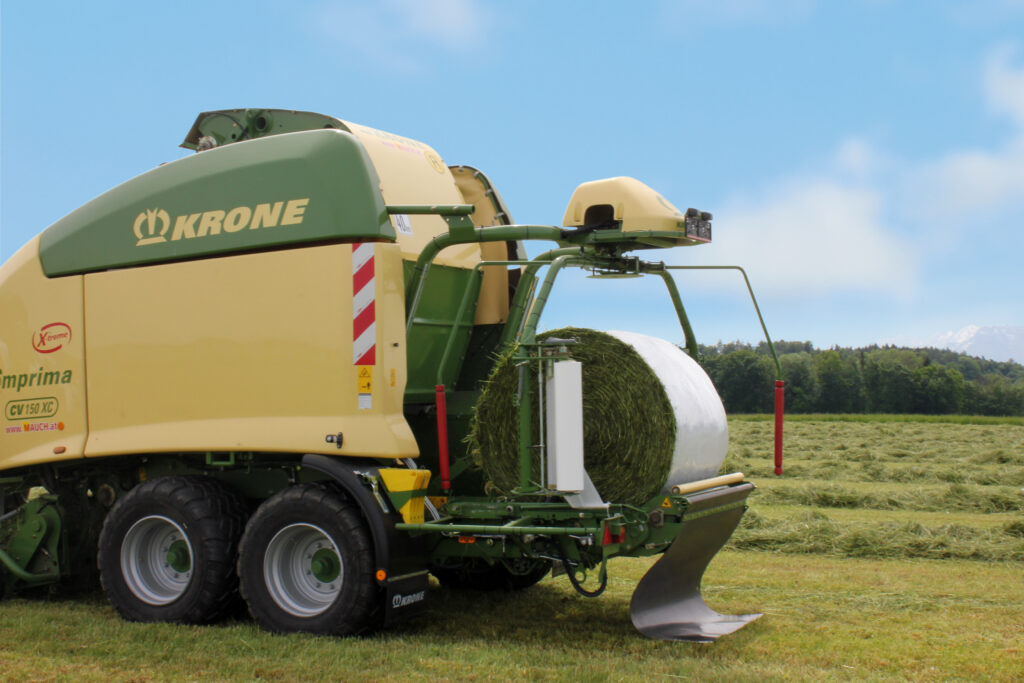
A baler forms the forage into a round bale before applying the net replacement film around its surface. After this step, the bale receives the outer silage wrap.
The inner film helps hold the bale together and provides continuous coverage across the bale surface. The outer silage wrap then creates the primary sealed layer around the finished bale.
The process requires equipment that has been designed or adapted for film application. Farmers should check machine compatibility before changing from traditional netwrap.
Why Continuous Coverage Matters
Traditional netting uses a web-like structure, while net replacement film forms a continuous film layer around the bale. This can help reduce exposed areas between strands and provide more uniform coverage.
Consistent coverage may also help create a smoother bale surface. A well-shaped bale can be easier to handle, transport, and position during storage.
The final result depends on the baler settings, forage condition, film quality, and operator technique.
Supporting Bale Handling
Round bales are often moved several times before feeding. They may be collected from the paddock, transported, stacked, and repositioned during storage.
A suitable net replacement film can help support the bale during these handling stages. The continuous film layer may reduce loose material and help maintain the bale’s shape.
Care is still required when using forks, loaders, trailers, or other equipment. Punctures and tears in the outer wrap can affect the protection of the silage.
Helping Reduce Air Exposure
The fermentation process requires suitable conditions inside the wrapped bale. Oxygen exposure can affect the preservation of forage, particularly when the outer wrap is damaged or poorly applied.
Net replacement film provides an additional film layer beneath the outer silage wrap. This may help reduce air pathways around the bale, especially when the film is applied correctly and the outer wrap remains intact.
Good silage management also includes suitable crop moisture, correct bale density, adequate wrapping, and regular storage inspections.
Choosing Film for Your Equipment
Not every film suits every baler. Before purchasing net replacement film, review the equipment manufacturer’s instructions and the product specifications.
Important points include:
-
Film width
-
Roll length
-
Film thickness
-
Bale diameter
-
Application speed
-
Baler and wrapper compatibility
-
Recommended machine settings
-
Storage requirements
The correct film width is especially important. Material that is too narrow may not cover the bale properly, while unsuitable settings may cause stretching problems or film breakage.
Storage and Maintenance
Unused rolls should be stored in a clean, dry location away from direct sunlight and excessive heat. Keep the packaging intact until the film is ready for use.
After bales are wrapped, inspect them regularly. Look for holes, scratches, loose sections, or damage caused by animals, weather, or machinery.
Damaged areas should be repaired using suitable agricultural repair tape. Bales should also be stored on a stable surface that helps reduce the risk of punctures.
Environmental Considerations
Both net replacement film and traditional netting require responsible handling after use. Used agricultural packaging should be kept separate from forage and other waste where possible.
Recycling options can vary by location and material type. Farmers should check local collection services or supplier guidance before disposing of used film.
Keeping packaging clean and separated may make recovery or recycling easier.
Is Net Replacement Film Suitable for Your Farm?
Net replacement film may be suitable for farms using compatible baling equipment and seeking an alternative to traditional round-bale netting. It can support continuous bale coverage, handling, and the film-on-film wrapping process.
Before making a change, compare equipment requirements, product specifications, operating costs, storage conditions, and local disposal options.
A supplier or qualified agricultural equipment professional can help identify the appropriate film for a specific baler, crop, and wrapping system.

You must be logged in to post a comment.