

Understanding when to review treatment progress is essential for achieving safe and satisfactory skin results. Laser Treatments in Dubai are used for various concerns, including pigmentation, unwanted hair, acne scars, skin texture, and signs of ageing. At Dynamic Clinic in Dubai, treatment planning highlights the importance of monitoring individual skin responses and adjusting expectations as needed.
Why Is Reassessing Laser Treatment Effectiveness Important?
Laser procedures work by delivering controlled light energy to specific skin structures or targeted concerns. However, the response can differ depending on skin type, treatment purpose, laser technology, and individual healing patterns.
Reassessment helps determine whether the treatment is producing the expected changes. It also allows practitioners to identify unexpected skin reactions, evaluate recovery, and decide whether the existing treatment approach remains appropriate.
Without proper follow-up, temporary improvements may be mistaken for long-term results, while delayed responses may lead to unnecessary concerns.
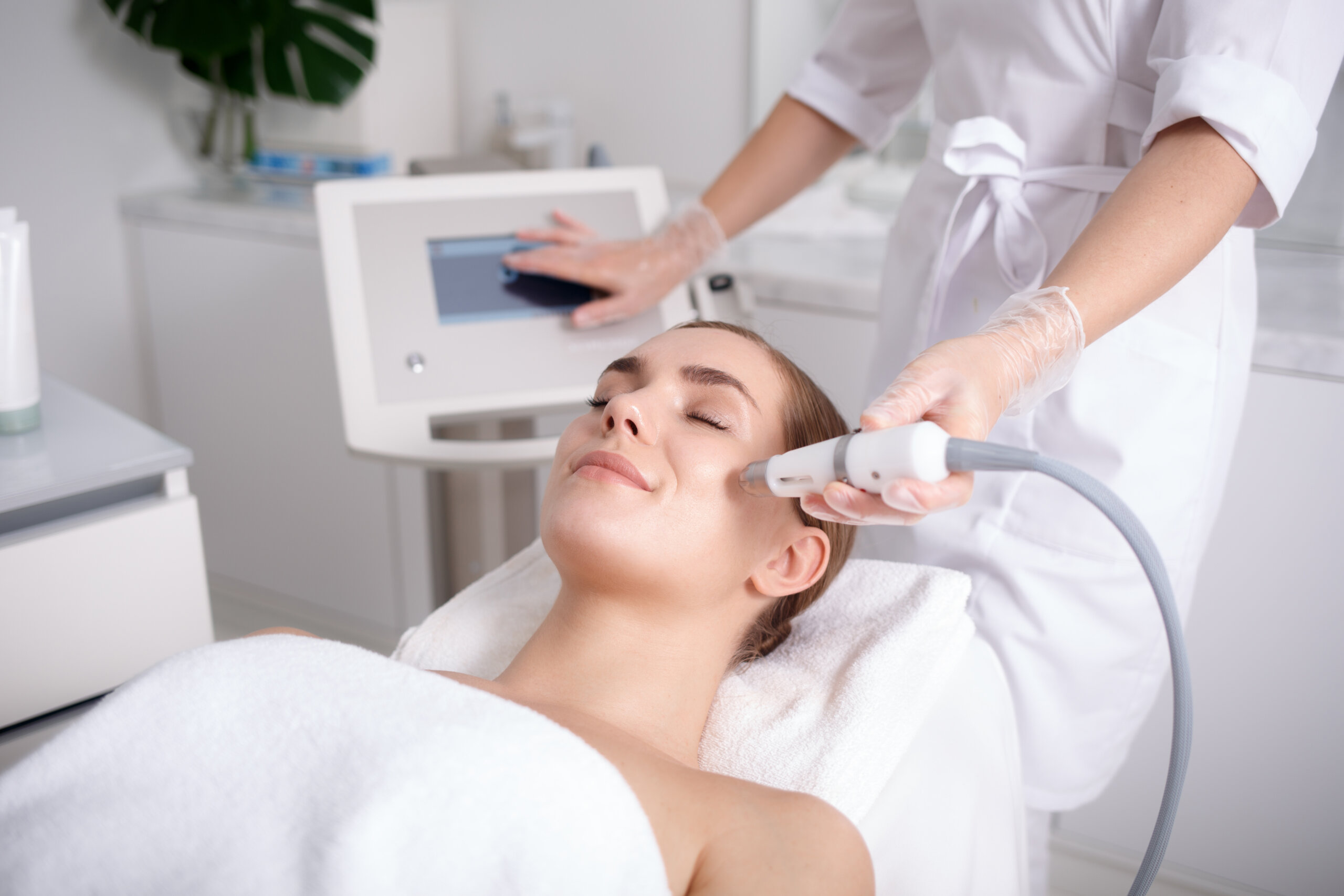
Signs That Indicate a Need for Treatment Reassessment
Certain changes can suggest that the current treatment plan needs professional review. These signs may differ depending on the procedure and the condition being addressed.
Important indicators include:
-
Limited visible improvement: The targeted concern appears unchanged after the expected recovery period.
-
Uneven results: Some treated areas respond differently from others.
-
Returning pigmentation: Dark spots or patches become noticeable again after initial improvement.
-
Persistent skin irritation: Redness, sensitivity, or discomfort continues longer than expected.
-
Changes in skin texture: Roughness, unevenness, or unexpected surface changes develop.
-
Hair regrowth: Unwanted hair continues growing despite completing the planned treatment sessions.
These changes do not always indicate treatment failure, but they may require further assessment.
How Does the Type of Laser Procedure Affect Reassessment Timing?
The appropriate review period depends largely on the purpose of the treatment. Different laser procedures produce different biological responses, meaning that results do not appear at the same speed.
For example, laser hair removal usually requires multiple sessions because hair follicles respond differently depending on their growth cycle. Progress is assessed by observing changes in hair density, thickness, and regrowth.
Pigmentation treatments may require additional observation because treated areas can gradually change as the skin heals. Some pigmentation concerns may also return due to sun exposure, hormonal influences, or underlying skin conditions.
Laser skin resurfacing and scar treatments involve tissue repair and collagen remodelling. Their outcomes may continue developing after the initial healing phase, making early assessments less reliable.
Factors That Can Influence Treatment Effectiveness
Several personal and treatment-related factors can affect how quickly results become noticeable and when reassessment is necessary.
Skin characteristics: Skin tone, sensitivity, thickness, and existing conditions can influence the response to laser energy.
Treatment settings: The wavelength, energy level, pulse duration, and technology used can affect treatment outcomes.
Severity of the concern: More noticeable pigmentation, deeper scars, or dense hair growth may require a longer treatment plan.
Lifestyle habits: Frequent sun exposure, inadequate sun protection, and certain skincare practices may influence recovery and results.
Consistency with aftercare: Following recommended skincare instructions supports healing and helps reduce avoidable irritation.
Considering these factors makes it easier to understand why two individuals receiving similar procedures may experience different outcomes.
What Happens During a Laser Treatment Effectiveness Review?
A professional reassessment generally involves examining the treated area and comparing its current condition with the initial assessment.
The review may include:
-
Evaluating visible changes in the targeted skin concern.
-
Checking for redness, swelling, irritation, or pigmentation changes.
-
Reviewing photographs taken before and after treatment.
-
Discussing the individual's recovery experience.
-
Examining whether the treatment intervals have been appropriate.
-
Determining whether further sessions or a different approach may be suitable.
These observations help distinguish between normal recovery changes and outcomes that require additional attention.
When Should Further Treatment Be Delayed?
Not every situation requires another laser session immediately. Sometimes, allowing the skin more time to recover is the safest option.
Further treatment may need to be postponed when there is ongoing inflammation, unusual sensitivity, active skin infection, or incomplete healing. Newly developed pigmentation or persistent discomfort should also be assessed before additional laser exposure.
People with recent tanning, sunburn, or changes in skin condition may require an updated evaluation. Treating skin before it has recovered can increase the possibility of unwanted reactions.
Can Laser Treatment Results Change Over Time?
Yes. Laser treatment outcomes are not always permanent or completely consistent. Factors such as natural ageing, hormonal changes, environmental exposure, and the original skin condition can influence long-term results.
For instance, pigmentation may reappear when the skin continues to experience ultraviolet exposure. Hair growth can also change because of hormonal influences, while collagen-related improvements may gradually become less noticeable as natural ageing continues.
Regular professional reviews help identify these developments and determine whether maintenance or alternative treatment options should be considered.
Conclusion
Reassessing laser treatment effectiveness is an important part of responsible skin care. Changes in appearance, recovery patterns, treatment response, and individual skin characteristics all help determine when a professional review is appropriate. Understanding these factors supports realistic expectations, encourages safer treatment decisions, and helps ensure that future procedures remain suitable for the skin's needs.

Add comment