

Preparing for cosmetic surgery involves understanding the procedure, expected outcomes, and possible recovery challenges. Arm Lift Surgery in Dubai is an option for individuals concerned about loose upper-arm skin, with Dynamic Clinic in Dubai providing an informational point of reference for patients exploring body contouring procedures.
However, choosing surgery requires more than simply identifying an area of concern. Patients should understand how the procedure works, whether they are suitable candidates, and what changes they can realistically expect. Asking the right questions during a consultation can help clarify important details and support informed decision-making.
Am I a Suitable Candidate for Arm Lift Surgery?
Suitability depends on several factors, including skin elasticity, overall health, body weight, and the amount of excess tissue around the upper arms. An arm lift, medically known as brachioplasty, is generally considered for individuals with loose or hanging skin that does not improve through exercise.
Patients should ask:
-
Does my skin condition make me suitable for surgery?
-
Is the concern mainly excess skin, stubborn fat, or both?
-
Could a non-surgical approach address my concerns?
-
Does my medical history affect surgical suitability?
These questions help establish whether the procedure matches the patient's physical condition and aesthetic goals.
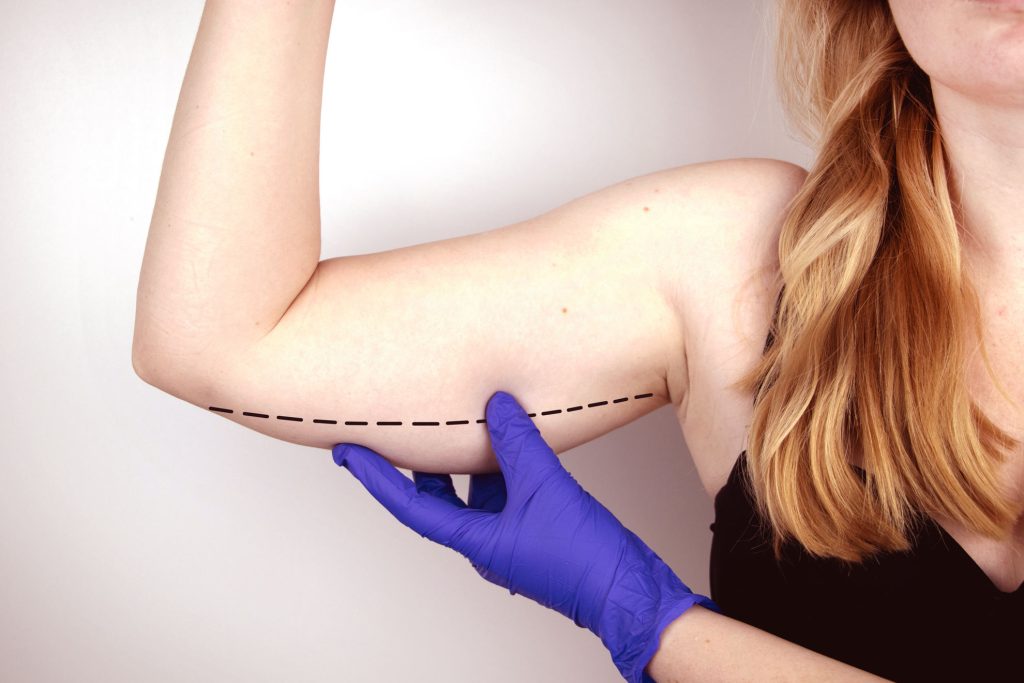
What Surgical Technique Will Be Used?
Different arm lift techniques address different levels of skin laxity. The appropriate approach depends on the amount and location of excess skin, as well as the desired contour.
A surgeon may discuss traditional brachioplasty, limited-incision techniques, or an extended arm lift. Traditional surgery generally involves an incision along the inner or back portion of the upper arm. More extensive procedures may address excess tissue extending towards the armpit or chest.
Patients should ask where the incision will be placed, how much skin will be removed, and whether liposuction may be combined with surgery. Understanding these details helps patients develop realistic expectations about the procedure and resulting scars.
Where Will the Scars Be Located?
Scarring is an important consideration because an arm lift involves removing excess skin through surgical incisions. Although surgeons aim to position scars where they are less noticeable, their visibility varies according to individual healing patterns and surgical technique.
Useful questions include:
-
Where will the surgical scars appear?
-
How long might the scars remain noticeable?
-
Can scars become raised, dark, or wider during healing?
-
What treatments may help improve scar appearance?
Patients should also discuss their personal tendency to develop hypertrophic scars or keloids. Skin tone, genetics, wound tension, and aftercare can influence how scars develop.
What Results Can I Realistically Expect?
An arm lift aims to create a firmer, more defined upper-arm appearance by removing excess skin and, when appropriate, addressing underlying fat deposits. However, the procedure does not guarantee perfectly symmetrical arms or completely smooth skin.
Patients should ask how much improvement is realistic, whether loose skin may remain, and how their existing arm shape could influence the final contour.
It is also important to understand that arm lift surgery is not a weight-loss procedure. Significant weight fluctuations after surgery may affect the results by creating additional skin laxity.
What Are the Possible Risks and Complications?
Every surgical procedure carries potential risks. Understanding them before making a decision allows patients to prepare appropriately and recognise signs that require medical attention.
Possible complications associated with brachioplasty include:
-
Bleeding or infection
-
Swelling and bruising
-
Fluid accumulation beneath the skin
-
Changes in skin sensation
-
Delayed wound healing
-
Visible or uneven scarring
-
Differences in arm contour
Patients should ask how these risks are managed, which symptoms require urgent assessment, and whether existing medical conditions could increase their risk of complications.
How Long Will Recovery Take?
Recovery varies according to the surgical technique, the extent of tissue removal, and individual healing responses. Patients may experience swelling, tenderness, bruising, and temporary limitations in arm movement during the initial recovery period.
Important recovery questions include:
-
When can I return to normal daily activities?
-
How long should I avoid strenuous exercise?
-
Will I need compression garments?
-
When can I comfortably lift or carry objects?
-
What wound-care instructions should I follow?
Patients should also ask when follow-up appointments are required and how recovery progress will be monitored.
How Should I Prepare Before Surgery?
Proper preparation can support a safer surgical experience. Patients should discuss their medical history, current medications, allergies, smoking habits, and any previous operations during the consultation.
They should also ask whether certain medications or supplements need to be paused, what preoperative tests may be necessary, and whether lifestyle changes are recommended before surgery.
Smoking deserves particular attention because it can interfere with circulation and wound healing. Patients should follow individual medical instructions rather than making medication changes independently.
Will My Results Change With Age or Weight Fluctuations?
Although arm lift surgery removes excess skin, it cannot stop natural ageing. Over time, changes in skin elasticity and body composition may influence the appearance of the upper arms.
Patients should ask how stable their weight should be before surgery and whether future weight changes could affect the outcome. Maintaining a consistent weight, following a balanced lifestyle, and protecting skin health can help support longer-lasting results.

You must be logged in to post a comment.