

Electric motors power countless applications across industrial, commercial, agricultural, and infrastructure environments. From pumps and fans to conveyors and compressors, these machines often need controlled starting, speed adjustment, and dependable protection to operate efficiently. A Variable Frequency Drive can regulate motor speed and improve control according to changing operating requirements, while electric motor overload protection helps reduce the risk of damage caused by excessive loading. Together, these technologies can support safer and more efficient motor operation. This article explores their practical use cases and explains how they contribute to modern electrical and automation systems.
Controlling Pumping Systems
Pumping applications frequently experience changing flow and pressure requirements. Running a motor continuously at full speed may not always be necessary, particularly when demand varies throughout the day.
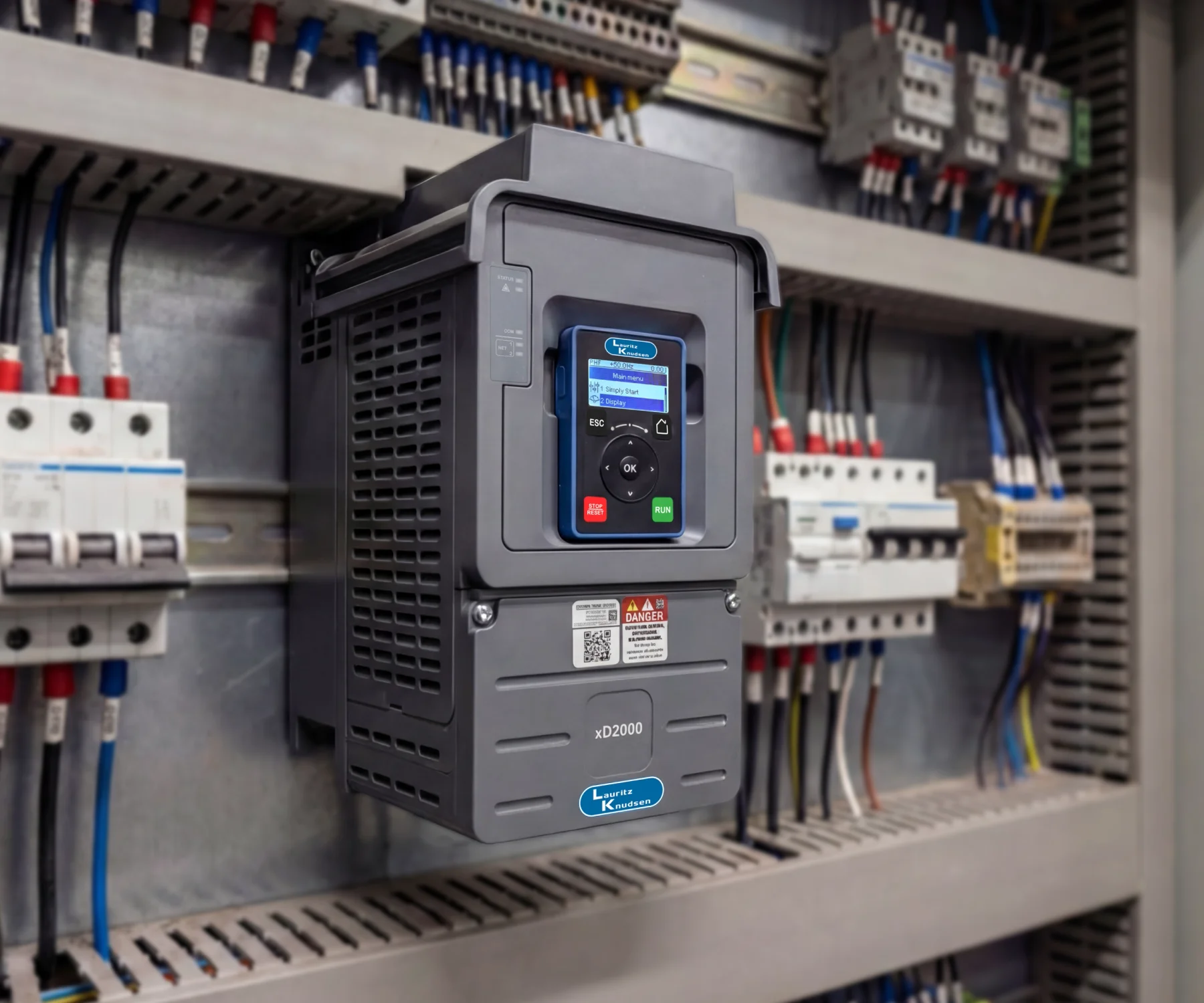
A Variable Frequency Drive can adjust the motor's operating speed according to the required flow or pressure. Instead of relying solely on constant-speed operation, the pump can respond more closely to changing conditions.
Common Pumping Applications
- Water supply systems
- Irrigation systems
- Industrial process pumps
- Cooling-water circulation
- Wastewater pumping
- Building water systems
Key Benefits
- Better control over pump speed.
- Smoother starting and stopping.
- Potential reduction in unnecessary energy consumption.
- Improved response to changing demand.
- Reduced mechanical stress during starting.
The actual energy savings depend on the pump characteristics, operating profile, system design, and control strategy.
Protecting Motors From Excessive Loads
Electric motors can experience excessive current when mechanical loads become too high, equipment becomes obstructed, or operating conditions change unexpectedly. Prolonged overloading can increase motor temperature and potentially reduce its service life.
This is where electric motor overload protection becomes important. Proper protection can monitor motor operating conditions and respond when the motor remains under an excessive load for a specified period.
Situations That Can Cause Overload
- Jammed machinery
- Excessive mechanical load
- Blocked pumps
- Conveyor problems
- Incorrect operating conditions
- Mechanical wear or friction
Appropriate protection helps provide an additional layer of safety for motors and associated equipment.
Speed Control for Conveyor Systems
Conveyor systems are widely used for transporting materials in manufacturing, warehousing, processing, and other facilities. Different production stages may require different conveyor speeds.
A Variable Frequency Drive can provide adjustable speed control, allowing operators to match conveyor movement to production requirements.
Practical Uses
- Adjusting material transportation speed
- Supporting controlled acceleration
- Reducing sudden mechanical movements
- Coordinating multiple conveyor sections
- Adapting operation to changing production rates
Controlled acceleration can also help reduce mechanical stress on belts, couplings, and other components.
Improving Fan and Ventilation Control
Fans and ventilation systems are another important motor application. Airflow requirements can change depending on occupancy, temperature, production conditions, or environmental requirements.
A Variable Frequency Drive can adjust fan speed according to demand instead of maintaining constant full-speed operation.
Suitable Applications
- Industrial ventilation
- Building air circulation
- Exhaust systems
- Cooling towers
- Process ventilation
- Air-handling equipment
When airflow demand decreases, reducing motor speed may help lower energy consumption. Proper system design is essential to achieve the expected performance.
Protecting Motors in Industrial Machinery
Industrial machinery can experience changing mechanical loads during production. A motor that normally operates within its expected load range may encounter an abnormal condition because of a blockage, excessive material, mechanical fault, or other issue.
With suitable electric motor overload protection, the motor can be protected against prolonged excessive loading. The protection system can help identify abnormal operating conditions and initiate an appropriate response.
Industrial Equipment That May Benefit
- Machine tools
- Material-handling systems
- Compressors
- Mixers
- Production machinery
- Processing equipment
Protection requirements should be determined according to the motor's specifications and the characteristics of the driven equipment.
Supporting HVAC Systems
Heating, ventilation, and air-conditioning systems often use multiple motors for fans, pumps, compressors, and other equipment. Their operating requirements can vary throughout the day.
A Variable Frequency Drive can be used for suitable motor-driven HVAC applications where adjustable speed is beneficial.
HVAC Use Cases
- Adjusting fan speed according to airflow demand.
- Controlling chilled-water circulation pumps.
- Managing ventilation requirements.
- Supporting gradual motor acceleration.
- Matching equipment operation to changing building conditions.
Better matching between motor output and actual demand can contribute to more efficient operation.
Applications in Agricultural Irrigation
Agricultural irrigation systems can have significantly different water requirements depending on crop conditions, weather, field size, and irrigation schedules. Motor-driven pumps therefore may not always need to operate at the same speed.
A Variable Frequency Drive can help regulate pump speed according to the desired water delivery requirements.
Agricultural Applications
- Irrigation pumps
- Water transfer systems
- Farm ventilation
- Water-storage systems
- Agricultural processing machinery
Motor protection is equally important in these environments because pumps may encounter conditions such as blockages, excessive loads, or changing hydraulic requirements.
Reducing Mechanical Stress During Motor Starting
Directly starting a motor can produce a sudden electrical and mechanical response. Depending on the motor and application, this may create stress in mechanical components and connected equipment.
A Variable Frequency Drive can provide controlled acceleration by gradually increasing motor speed according to programmed settings.
Potential Advantages
- Smoother acceleration
- Reduced mechanical shock
- Better control of starting conditions
- Improved process coordination
- More controlled stopping
This can be especially useful for applications involving belts, pumps, fans, and other equipment where sudden acceleration may be undesirable.
Supporting Reliable Motor Operation
Effective motor management involves more than controlling speed. Protection, monitoring, maintenance, and correct equipment selection all contribute to reliable operation.
electric motor overload protection should be considered as part of the overall motor protection strategy. The appropriate solution depends on factors such as motor rating, operating conditions, starting characteristics, load profile, and installation environment.
Good Motor Management Practices
- Select protection according to motor specifications.
- Monitor unusual operating conditions.
- Inspect motors and mechanical systems regularly.
- Keep ventilation paths clean.
- Check electrical connections during maintenance.
- Investigate repeated overload events rather than repeatedly resetting protection.
Repeated overload trips can indicate an underlying mechanical or electrical problem that requires investigation.
Coordinating Speed Control and Protection
Speed control and motor protection perform different functions but can complement each other in a well-designed system. The drive manages how the motor operates, while protection measures help address potentially damaging conditions.
For example, a pump can operate at different speeds according to demand while its motor remains protected against excessive loading. Similarly, a conveyor can accelerate gradually while appropriate protection helps safeguard its motor during abnormal operating conditions.
A Practical Approach
- Identify the motor's operating requirements.
- Determine the expected load range.
- Select appropriate speed-control equipment.
- Establish suitable protection settings.
- Test the system under expected operating conditions.
- Monitor performance and investigate abnormal events.
This coordinated approach can improve both operational control and equipment reliability.
Choosing the Right Motor Solution
Every motor application has different requirements, so equipment should be selected after considering the complete system.
Important Factors
- Motor power and voltage
- Rated current
- Load characteristics
- Required speed range
- Starting and stopping requirements
- Operating environment
- Duty cycle
- Mechanical load
- Protection requirements
- Maintenance accessibility
Correct installation and commissioning are also essential. Electrical professionals should verify settings and ensure that the system operates according to the intended design.
Conclusion
Modern motor-driven systems require effective control as well as dependable protection. A Variable Frequency Drive can provide adjustable speed, controlled acceleration, and improved process management for pumps, conveyors, fans, HVAC systems, and agricultural equipment. At the same time, electric motor overload protection can help safeguard motors against prolonged excessive loading and abnormal operating conditions. When properly selected and coordinated, these technologies can contribute to efficient, reliable, and flexible motor operation. Lauritz Knudsen Electrical & Automation supports India’s electrical development with more than 70 years of industry legacy and a 2.1-million-square-foot manufacturing footprint, serving residential, agricultural, commercial, infrastructural, and industrial markets.

You must be logged in to post a comment.