

Introduction
Accurate solar irradiance data is essential for understanding sunlight, evaluating solar energy systems, and studying environmental conditions. Whether a project involves a solar power plant, weather station, agricultural research, or building performance assessment, reliable measurements help professionals make better decisions. Choosing the right observation instrument is therefore an important step toward collecting dependable environmental data. A radiation observation pyranometer is one of the key instruments used to measure solar radiation reaching a specific surface. It helps researchers and engineers understand how much solar energy is available under different weather conditions.
As renewable energy projects continue to grow, the demand for reliable solar radiation monitoring is also increasing. However, not every instrument provides the same level of accuracy, stability, and performance. Factors such as sensor design, calibration, installation, environmental resistance, and data output can affect measurement quality. Rika Sensor, a professional environmental and weather monitoring solution provider, understands the importance of dependable sensing technology. With more than 15 years of industry experience, Rika Sensor offers a broad range of weather monitoring instruments and customized solutions that support environmental research, renewable energy projects, and agricultural applications.
Understanding the Role of a Radiation Observation Pyranometer
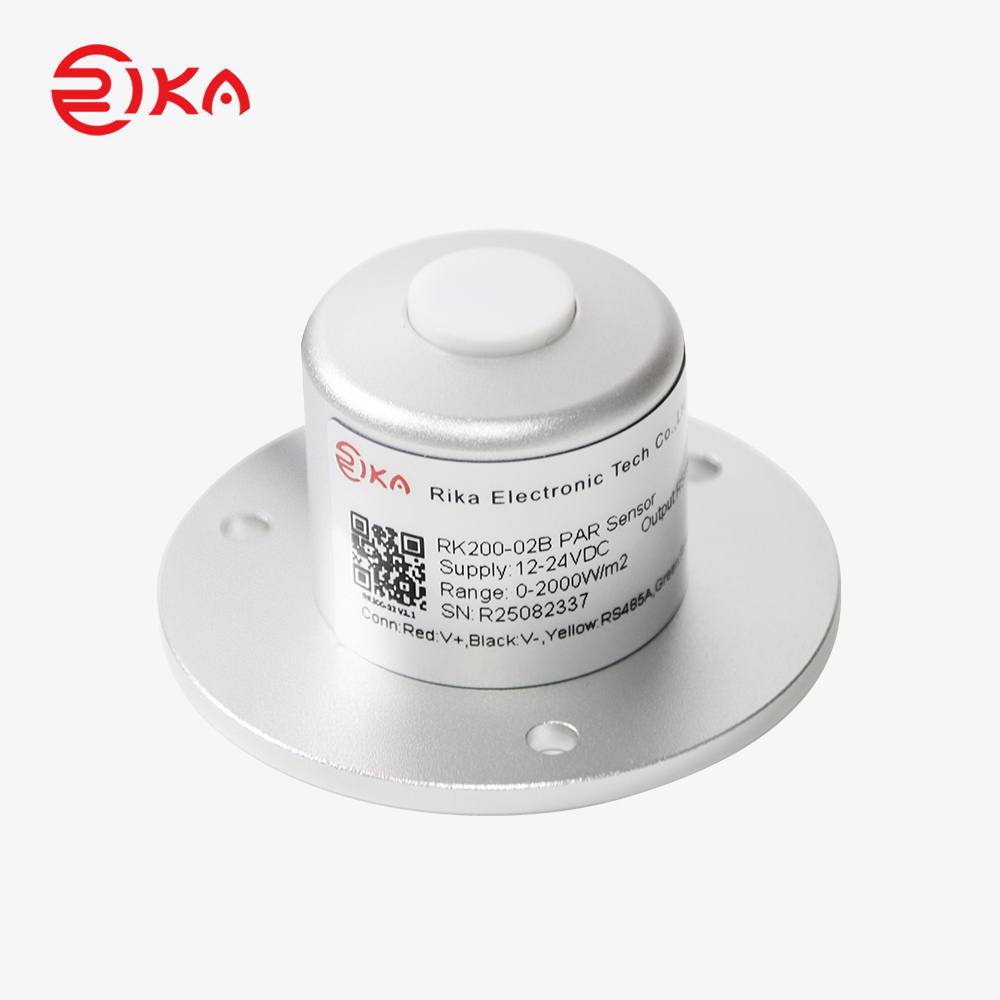
A radiation observation pyranometer is designed to measure solar irradiance, which refers to the amount of solar power received per unit area. Measurements are usually expressed in watts per square meter (W/m²). This information helps users evaluate sunlight intensity throughout the day and observe how solar radiation changes with seasons, cloud cover, and atmospheric conditions. Pyranometers are widely used in meteorological stations, solar energy monitoring systems, climate research, and environmental observation networks. Their measurements provide useful information for understanding the relationship between sunlight and the Earth's surface.
Solar radiation monitoring is especially important for photovoltaic (PV) system performance analysis. Solar panels depend on sunlight to generate electricity, so accurate irradiance measurements help operators compare available solar energy with actual power production. A reliable radiation observation pyranometer can also support solar resource assessment, weather forecasting research, and long-term climate studies. When selecting an instrument, users should understand its measurement range, sensitivity, spectral response, accuracy, and operating temperature. These specifications help determine whether the sensor is suitable for a particular monitoring environment and research requirement.
Key Factors That Affect Solar Irradiance Measurement Accuracy
Measurement accuracy depends on more than the sensor itself. Instrument design, calibration quality, environmental conditions, and installation practices all influence the reliability of collected data. A high-quality pyranometer should provide stable readings under changing sunlight conditions and maintain consistent performance over time. Users should review important technical specifications, including response time, non-linearity, temperature response, and measurement uncertainty. These factors help identify whether an instrument can meet the accuracy requirements of professional solar radiation observation. Regular calibration and maintenance are also important for reducing measurement errors and maintaining dependable results.
Environmental conditions can create additional challenges for solar irradiance monitoring. Dust, rain, snow, moisture, and extreme temperatures may affect sensor performance if an instrument is not properly designed or maintained. The sensor should be installed in an open location without unnecessary shading from buildings, trees, or other objects. Its mounting position should also follow the manufacturer's installation guidelines to support reliable measurements. Cleaning the sensor surface and checking its condition regularly can help prevent incorrect readings. By combining suitable equipment with proper installation and maintenance, users can improve the quality of solar radiation data collected over long periods.
Applications of Solar Radiation Monitoring in Modern Projects
Solar irradiance data supports many industries that depend on accurate environmental information. In renewable energy projects, monitoring instruments help evaluate solar panel performance, identify changes in energy availability, and support the assessment of solar power resources. Engineers can compare irradiance measurements with electricity production to understand whether a photovoltaic system is operating as expected. These observations are also useful when planning new solar installations because they provide information about local sunlight conditions. Reliable environmental sensors make it easier to study energy production patterns and improve the long-term management of renewable energy systems.
Beyond solar power, radiation monitoring has value in agriculture, meteorology, and building research. Agricultural researchers use solar radiation information to study crop growth, plant development, and the relationship between sunlight and water requirements. Weather stations collect radiation data alongside temperature, humidity, wind speed, and rainfall measurements to provide a more complete picture of local weather conditions. In green building projects, solar irradiance measurements help professionals evaluate energy efficiency, indoor comfort, and the effects of sunlight on building surfaces. Rika Sensor supports these types of environmental monitoring needs through its range of weather instruments, including weather stations, anemometers, barometers, thermometers, rain gauges, and other sensing solutions.
Choosing Reliable Observation Instruments with Rika Sensor
Selecting the right observation instrument requires a clear understanding of project goals and operating conditions. Buyers should consider measurement requirements, sensor specifications, installation methods, communication interfaces, power supply, and equipment durability before making a decision. Compatibility with existing data loggers and weather monitoring systems is another important factor, especially for projects that require continuous data collection. Technical support and product customization may also influence the overall value of an instrument. Working with an experienced sensor manufacturer can help users identify suitable monitoring solutions and reduce problems during installation and operation.
Rika Sensor, officially Hunan Rika Electronic Tech Co., Ltd., has more than 15 years of experience in environmental and weather monitoring technology. The company provides a wide selection of weather sensors and monitoring solutions for customers across different industries. Its products are used in more than 100 countries and regions, supporting applications such as agricultural research, coastal monitoring, green buildings, and renewable energy systems. Rika Sensor also develops customized products based on customer requirements, including physical properties, electrical input and output, and package configuration. Its focus on product quality, technical support, timely delivery, and after-sales service makes it a valuable partner for organizations seeking dependable environmental monitoring solutions. Customers evaluating a radiation observation pyranometer can contact Rika Sensor to discuss their application needs and confirm suitable product specifications and available solutions.
Conclusion
Accurate solar irradiance data plays an important role in renewable energy development, weather observation, agricultural research, and environmental studies. Choosing a suitable radiation observation pyranometer requires careful attention to measurement accuracy, calibration, sensor stability, environmental protection, and installation conditions. When these factors are properly considered, monitoring systems can provide reliable information that supports better planning, performance evaluation, and long-term research. High-quality observation instruments also help organizations understand changing solar conditions and make informed decisions based on dependable environmental data.
Rika Sensor combines more than 15 years of industry experience with a wide range of weather monitoring products and customized sensing solutions. Its commitment to quality, responsive technical support, and international customer service makes it a trusted option for businesses and research organizations looking for environmental monitoring equipment. Whether a project involves renewable energy, agricultural observation, or a complete weather monitoring network, choosing the right sensor solution is essential for achieving consistent results. By working with an experienced provider such as Rika Sensor, users can take a practical step toward more accurate solar irradiance observation and reliable environmental data collection.

You must be logged in to post a comment.