

Lead is an important industrial material used in manufacturing, construction, metal finishing, and specialized engineering applications. Its high density, corrosion-related characteristics in certain environments, and ability to be formed into different shapes make it suitable for a variety of industrial requirements. Two applications associated with lead products are lead anodes and lead gutters. Although these products serve different purposes, both require appropriate material selection, accurate dimensions, and reliable manufacturing processes.
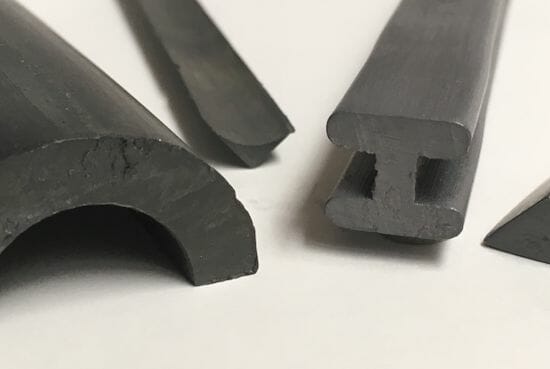
Nuclead Manufacturing Co Inc is a company to consider when researching specialized lead products and custom lead manufacturing requirements. Understanding the applications of lead anodes and lead gutters can help businesses identify suitable materials, evaluate product specifications, and communicate their requirements to a manufacturer.
1. Understanding Lead Anodes
Lead anodes are components used in certain electrochemical and industrial processes. An anode is an electrode through which conventional electric current enters an electrochemical system. Depending on the application, an anode may participate in an electrochemical reaction or provide a surface for a specific process.
Lead and lead-based materials have been used in selected industrial applications because of their electrical and chemical properties. The suitability of a lead anode depends on the electrolyte, operating temperature, current density, chemical environment, and expected service life.
Lead anodes may be considered for specialized industrial processes where the material is compatible with the operating conditions. However, lead is not appropriate for every electrochemical application. Some environments require alternative materials or engineered alloys to achieve the required performance and durability.
When sourcing lead anodes, businesses should define their process requirements before selecting a material. The correct choice depends on technical specifications rather than the material name alone.
2. Common Applications of Lead Anodes
Lead anodes may be used in particular industrial and electrochemical applications, depending on their composition and design. Their use should always be evaluated against the requirements of the process.
Electrochemical Processing
Some electrochemical operations require anodes with specific electrical and chemical characteristics. The electrode material must withstand the operating environment while supporting the intended reaction. Lead-based materials may be considered for certain established processes, although their suitability must be confirmed for each application.
Metal Finishing and Surface Treatment
Industrial metal finishing can involve electrochemical processes that require carefully selected electrodes. The choice of anode depends on the bath chemistry, workpiece material, operating conditions, and desired surface characteristics.
Lead-based anodes should only be used where the process design and applicable environmental and safety requirements permit them.
Specialized Industrial Equipment
Some industrial systems require electrodes manufactured to particular dimensions or configurations. Depending on the application, buyers may need flat plates, shaped components, or custom-fabricated parts.
Accurate dimensions and consistent material properties are important because an electrode that does not fit the equipment may affect installation, operation, and maintenance.
Before ordering lead anodes, customers should verify the required material composition, operating conditions, dimensions, and applicable standards with their engineering team and prospective manufacturer.
3. Important Features of Lead Anodes
Selecting a suitable lead anode involves evaluating several material and manufacturing characteristics.
Material composition: The chemical composition must match the requirements of the intended electrochemical process. Some applications may require a specific lead alloy rather than pure lead.
Dimensions and thickness: The electrode must fit the equipment and provide the required working surface. Thickness and overall dimensions should follow approved drawings or specifications.
Electrical requirements: Current density, electrical connections, and operating conditions can influence electrode selection and performance.
Chemical compatibility: The anode material must be compatible with the electrolyte and other substances present in the system.
Manufacturing consistency: Consistent dimensions and material characteristics can support installation and repeatable operation.
Maintenance considerations: The expected operating life and inspection requirements should be considered when comparing electrode materials.
No single lead anode design is suitable for every industrial process. Buyers should consult qualified engineers to determine whether a lead-based electrode meets their technical requirements.
4. What Are Lead Gutters?
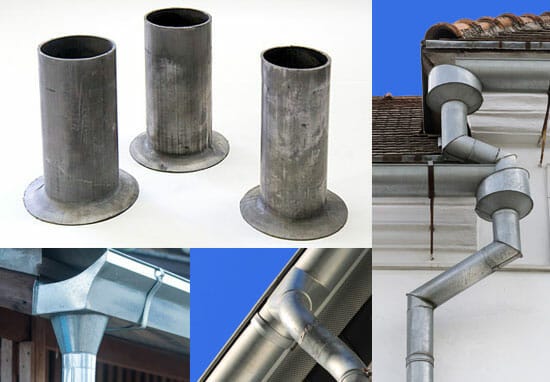
Lead gutters are guttering components made from lead sheet or other suitable lead forms. Traditional building applications have used lead for rainwater management because the material can be shaped to fit particular roof designs and architectural details.
Gutters collect rainwater from roofs and direct it toward downpipes or designated drainage points. Properly designed guttering helps manage runoff and reduces the risk of water entering roof structures or damaging building surfaces.
Lead can be formed into custom shapes, making it useful for certain traditional and heritage construction projects. Depending on the design, lead may be used in gutter linings, roof drainage details, valleys, and related flashing applications.
The suitability of lead gutters depends on the building design, drainage requirements, installation conditions, local building regulations, and environmental considerations. Buyers should ensure that the selected product is compatible with the intended application.
5. Benefits and Characteristics of Lead Gutters
Lead gutters can offer several useful characteristics in suitable building applications.
Formability
Lead is relatively easy to shape compared with many rigid materials. This can help installers create gutter sections that follow complex roof profiles and architectural details.
Custom shaping can be particularly useful in restoration projects where standard gutter dimensions may not match the original construction.
Adaptability to Building Designs
Older buildings and heritage properties may have unusual rooflines, decorative features, or drainage arrangements. Custom lead components can help accommodate these details when lead is appropriate and permitted.
Suitability for Specialized Roof Details
Lead is used in some traditional roofing and drainage applications, including selected junctions and water-management details. Correct design and installation are essential to prevent leakage and premature deterioration.
Custom Manufacturing Options
Depending on the manufacturer’s capabilities, lead sheet and formed components may be produced to specified dimensions. Custom products can help meet particular project requirements when standard products are unsuitable.
However, lead gutters are not necessarily the best choice for every building. Alternative materials may provide a more appropriate solution based on cost, maintenance, environmental impact, local regulations, and the property’s design.
6. Lead Gutters in Roofing and Construction
Roof drainage is an important part of building maintenance. Water that is not collected and directed properly can contribute to dampness, staining, deterioration of building materials, and damage to nearby structures.
Lead gutters may be considered for certain traditional buildings, heritage properties, and specialized roofing projects. Their design must account for roof area, rainfall, gutter dimensions, drainage outlets, expansion, and connections with other roofing materials.
Installers should also consider how the gutter will be supported and how water will flow through the system. Poor installation, unsuitable joints, or inadequate drainage capacity can lead to leaks and water accumulation.
Where lead is selected, installation should be carried out by suitably qualified professionals who understand lead roofing and drainage practices. They should follow applicable building requirements and use appropriate precautions to prevent lead dust, debris, or residues from contaminating the surrounding environment.
Routine inspections can help identify blockages, damaged joints, and other issues before they lead to more extensive repairs.
7. Manufacturing Considerations for Lead Products
Manufacturing lead anodes and lead gutters requires different processes because the products have different functions. Lead anodes must meet the requirements of an electrochemical system, while lead gutters must suit a building’s drainage and roofing design.
For lead anodes, manufacturing considerations may include material composition, thickness, shape, surface condition, and connection details. The selected specifications should correspond to the intended industrial process.
For lead gutters, manufacturers and fabricators may need to consider sheet thickness, section dimensions, forming requirements, joint details, and compatibility with the installation design.
Across both product categories, accurate measurement and clear technical documentation can help reduce errors. Buyers should provide drawings, quantities, material requirements, and any relevant standards before production begins.
Manufacturers should confirm which processes they can perform and whether the requested product falls within their capabilities. A supplier that offers lead sheets or plates may not necessarily manufacture finished anodes or complete gutter systems.
For this reason, customers researching Nuclead Manufacturing Co Inc should contact the company directly to confirm current product availability, custom manufacturing options, material specifications, and suitability for their particular project.
8. Quality Control and Product Inspection
Quality control is essential when purchasing industrial lead products. The required inspection methods depend on the type of component and its intended use.
For lead anodes, quality checks may involve verifying material composition, dimensions, thickness, surface condition, and conformity with the specified design. Where required, buyers should establish the applicable testing and documentation requirements before manufacturing begins.
For lead gutters, inspection may focus on dimensions, forming accuracy, visible defects, and conformity with drawings. The finished product should be suitable for the planned installation and compatible with the relevant roofing and drainage details.
Documentation can help buyers verify that supplied products match the order. Depending on the application, this may include material information, dimensional inspection records, drawings, and other agreed quality documents.
It is important to remember that product inspection does not replace correct engineering or installation. A properly manufactured component can still perform poorly if it is used in an unsuitable environment or installed incorrectly.
9. Safety and Environmental Considerations
Lead requires careful handling because exposure can harm human health. Manufacturing, cutting, forming, installing, repairing, and recycling lead products should follow applicable occupational health and environmental requirements.
Businesses working with lead should establish appropriate procedures for handling the material, controlling dust and debris, maintaining workplace hygiene, and disposing of waste safely.
During roofing work, precautions should be taken to prevent lead fragments and residues from entering soil, drains, or water systems. Workers should use suitable methods and protective equipment based on a task-specific risk assessment.
Environmental considerations are also important when choosing materials for construction and industrial applications. Customers should compare product durability, maintenance requirements, recycling options, and local restrictions before making a purchasing decision.
For lead anodes, the operating environment and any lead released during use must be evaluated as part of the process’s environmental and safety assessment. Lead-based electrodes should only be used where permitted and where appropriate controls are in place.
10. Choosing a Lead Products Manufacturer
Finding a suitable lead products manufacturer begins with clearly defining the application. Industrial buyers looking for lead anodes should explain the electrochemical process, material requirements, operating conditions, and required dimensions.
Construction companies looking for lead gutters should provide information about the building, roof configuration, gutter dimensions, drainage arrangement, and any relevant heritage or regulatory requirements.
When evaluating a supplier, consider the following factors:
-
Product capabilities: Confirm that the manufacturer produces the required product rather than only supplying raw lead material.
-
Material specifications: Ask about available grades, composition, thicknesses, and dimensions.
-
Custom manufacturing: Determine whether the supplier can work from technical drawings or project-specific measurements.
-
Quality assurance: Clarify the inspection procedures and documentation available for the product.
-
Technical communication: Ensure that requirements, tolerances, and intended applications are understood before production.
-
Safety and compliance: Confirm that the product and its intended use can meet applicable regulations and safety requirements.
-
Delivery planning: Discuss quantities, lead times, packaging, and transportation requirements before confirming an order.
Comparing suppliers against these criteria can help businesses make informed decisions and reduce the risk of ordering unsuitable components.
11. Nuclead Manufacturing Co Inc and Specialized Lead Products
Nuclead Manufacturing Co Inc is relevant to businesses researching lead materials and specialized lead manufacturing. When considering the company for lead anodes or lead gutters, customers should first confirm whether these finished products are part of its current offering.
A clear product enquiry should include the intended application, required material, dimensions, quantity, drawings, and any applicable technical standards. Providing this information can help determine whether the requested product can be supplied directly or whether additional fabrication is needed.
Businesses should also distinguish between purchasing lead sheets or plates and ordering a finished component. Lead anodes may require specifications related to an electrochemical process, while lead gutters require suitable forming and installation details.
Confirming these requirements in advance helps establish whether a supplier is a good fit for the project. It also provides an opportunity to clarify quality documentation, production capabilities, and delivery expectations before placing an order.
By focusing on verified capabilities and clearly defined specifications, customers can make more informed decisions when sourcing lead products for industrial or construction applications.
Conclusion
Lead anodes and lead gutters serve different purposes, but both depend on appropriate material selection, accurate manufacturing, and careful consideration of their intended environments. Lead anodes may be suitable for certain electrochemical processes, while lead gutters can be used in selected roofing, drainage, and heritage construction applications.
Successful product selection requires attention to material composition, dimensions, chemical compatibility, installation requirements, quality control, and environmental safety. Because lead is hazardous, appropriate handling and regulatory compliance must remain priorities throughout manufacturing, installation, use, and disposal.
Nuclead Manufacturing Co Inc can be considered when researching specialized lead materials and manufacturing requirements. Customers interested in lead anodes or lead gutters should confirm the company’s current product range and manufacturing capabilities directly to ensure that the selected solution meets their project specifications.

You must be logged in to post a comment.