

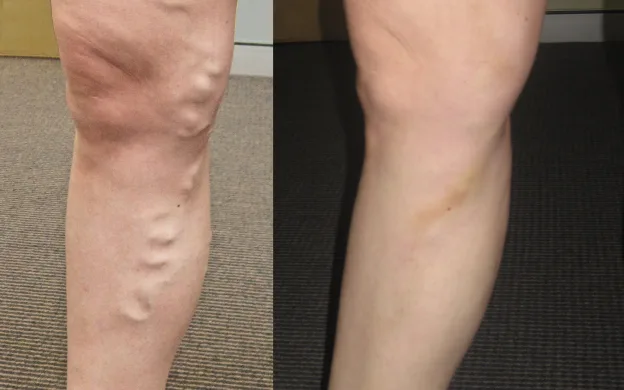
Varicose veins are enlarged, twisted veins that commonly appear on the legs. They may cause visible changes in the skin, as well as symptoms such as aching, heaviness, swelling, itching or discomfort. People searching for varicose vein removal Adelaide may benefit from learning about the assessment process, available treatments and factors that can influence treatment decisions.
What Causes Varicose Veins?
Healthy leg veins contain valves that help blood flow back towards the heart. If these valves become weak or stop working properly, blood can flow backwards and collect inside the vein. This can cause the vein to enlarge and become more visible.
Several factors may increase the likelihood of developing varicose veins, including:
-
Family history.
-
Increasing age.
-
Pregnancy and hormonal changes.
-
Prolonged standing or sitting.
-
Excess weight.
-
Previous vein problems.
Not everyone with varicose veins experiences symptoms. However, a medical assessment can help determine whether treatment may be appropriate.
When Should You Seek Advice?
You may wish to seek medical advice if varicose veins are causing ongoing discomfort or changes in your daily activities. Common concerns include:
-
Aching or heaviness in the legs.
-
Swelling around the ankles.
-
Itching or skin irritation.
-
Night-time cramps.
-
Changes in skin colour or texture.
-
Tender, hard or reddened veins.
-
Sores or ulcers near the ankle.
Sudden leg swelling, significant pain, chest pain or difficulty breathing requires urgent medical attention, as these symptoms may indicate a more serious condition.
How Is Treatment Assessed?
A consultation generally begins with a discussion about your symptoms, medical history and treatment goals. The clinician may examine the affected area and recommend an ultrasound scan to assess blood flow and identify veins that may not be visible on the skin.
The assessment helps determine whether treatment is suitable and which option may be appropriate. Treatment decisions should be individualised rather than based solely on the appearance of the veins.
What Is Ultrasound-Guided Sclerotherapy?
Ultrasound-guided sclerotherapy is a minimally invasive procedure used to treat selected abnormal veins. During the procedure, ultrasound imaging helps guide the injection of a sclerosing solution into the affected vein.
The solution causes the treated vein to close. Over time, the body gradually absorbs the closed vein, and blood is redirected through healthier veins. Suitability depends on the individual’s vein structure, symptoms and overall health.
What Happens After Treatment?
After treatment, patients may be advised to wear a compression stocking and walk for a specific period. Follow-up care may be recommended to assess healing and determine whether further treatment is needed.
Possible short-term effects can include tenderness, bruising, mild swelling or inflammation around the treated vein. Patients should follow the aftercare instructions provided by their treating clinician and report unexpected or worsening symptoms.
How Can You Prepare?
Before a consultation for varicose vein removal Adelaide, prepare a list of:
-
Symptoms and when they occur.
-
Medicines and supplements you take.
-
Previous vein treatments.
-
Relevant medical conditions.
-
Questions about recovery, costs and follow-up care.
It is also helpful to ask whether an ultrasound assessment is required, what treatment options may be available and whether treatment is intended for medical, cosmetic or both reasons.
Understanding Your Options
Varicose vein treatment can involve different approaches, depending on the veins affected and the symptoms involved. Some people may require monitoring and lifestyle measures, while others may be suitable for minimally invasive treatment.
A qualified healthcare professional can explain the potential benefits, risks, expected recovery and likely costs before treatment. Medicare and private health insurance coverage may vary, so patients should confirm financial details directly with the clinic and their insurer.
Frequently Asked Questions
Is varicose vein removal always necessary?
No. Treatment may not be necessary when varicose veins do not cause symptoms or complications. A medical assessment can help determine whether monitoring or treatment is appropriate.
Can varicose veins return after treatment?
Treatment addresses targeted abnormal veins, but it does not prevent new varicose veins from developing. Ongoing review may be recommended in some cases.
Is treatment suitable for everyone?
No. Suitability depends on factors such as vein anatomy, symptoms, medical history, medications and general health. A clinician should assess each patient individually.
How long does recovery take?
Recovery varies according to the treatment used and the patient’s circumstances. Your clinician can provide specific guidance about work, exercise, travel and follow-up appointments.
Final Considerations
People searching for varicose vein removal Adelaide should obtain personalised medical advice before choosing a treatment. Understanding the cause of varicose veins, the assessment process and available treatment options can help patients make informed decisions about their care.

Add comment