

Jaw pain, clicking sounds while opening or closing the mouth, and difficulty chewing can be signs of a temporomandibular joint (TMJ) disorder. The temporomandibular joint connects the jawbone to the skull and plays an important role in everyday activities such as speaking, eating, and yawning. When this joint or the surrounding muscles are affected, it can cause discomfort and interfere with daily activities.
Seeking timely TMJ Treatment in Satellite Ahmedabadcan help identify the underlying cause of jaw discomfort and determine suitable treatment options.
What Is TMJ Disorder?
TMJ disorder, also known as temporomandibular joint disorder (TMD), refers to conditions affecting the jaw joint and the muscles responsible for jaw movement. These conditions may develop due to several factors, including teeth grinding, jaw injuries, arthritis, muscle tension, or bite-related problems.
People experiencing temporomandibular joint pain may notice symptoms that range from mild jaw discomfort to difficulty moving the mouth comfortably.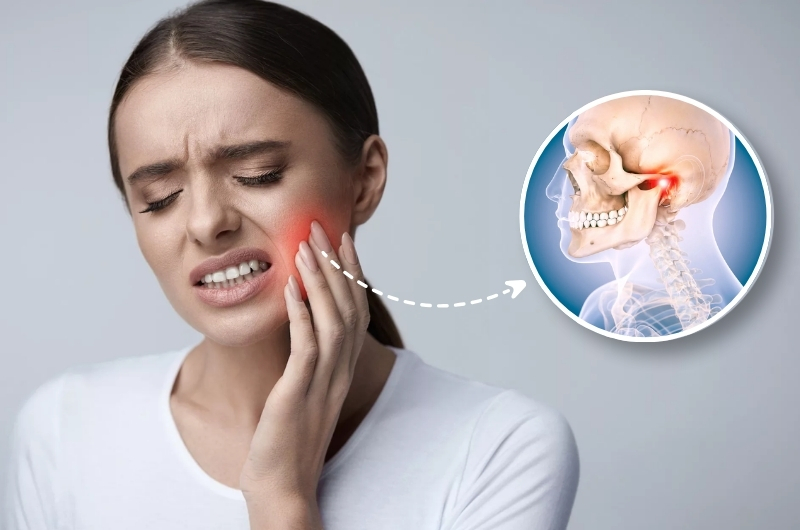
Common Symptoms of TMJ Disorders
Recognising the symptoms early can help patients seek appropriate dental evaluation. Some common signs include:
- Pain or tenderness around the jaw joint.
- Clicking or popping sounds while opening or closing the mouth.
- Difficulty opening the mouth completely.
- Jaw stiffness or muscle fatigue.
- Pain while chewing or speaking.
- Frequent headaches or facial discomfort.
- Ear-area pain without an apparent ear infection.
If these symptoms occur regularly, consulting a dentist for TMJ disorder treatment can help determine the cause and appropriate next steps.
Common Causes of TMJ Pain
Several factors may contribute to temporomandibular joint problems. Understanding these causes helps in selecting an appropriate treatment approach.
Teeth Grinding and Clenching: Habitual grinding or clenching can put additional pressure on the jaw muscles and joints.
Jaw Injuries: Trauma or injury involving the jaw may affect normal joint movement.
Stress and Muscle Tension: Stress-related habits can increase tension in the muscles around the jaw.
Arthritis: Certain types of arthritis can affect the temporomandibular joint and cause pain or stiffness.
Bite-Related Issues: Certain dental and bite-related conditions may contribute to discomfort and require professional assessment.
Available TMJ Treatment Options
The appropriate treatment depends on the severity of symptoms, the underlying cause, and the patient's overall oral health. A dental professional may recommend one or more conservative treatment approaches.
1. Oral Splints and Night Guards
Custom-made oral appliances may help manage teeth grinding and reduce excessive pressure on the jaw muscles and joints.
2. Jaw Exercises and Physiotherapy
Specific jaw exercises and guided physiotherapy may help improve jaw mobility, reduce muscle tension, and support comfortable movement.
3. Medication for Symptom Relief
Depending on the clinical assessment, a healthcare professional may recommend suitable medication to manage pain or inflammation.
4. Lifestyle and Habit Modifications
Avoiding excessive chewing, limiting hard foods during painful episodes, practising relaxation techniques, and becoming aware of jaw clenching may help reduce discomfort.
5. Further Dental Evaluation
When symptoms persist, additional investigations or specialist evaluation may be necessary to understand the condition and plan further management.
When Should You Consult a Dentist for TMJ Problems?
Occasional jaw clicking without pain may not require treatment. However, persistent jaw pain, restricted mouth opening, frequent headaches, or difficulty chewing should not be ignored.
If you are experiencing these symptoms, seeking TMJ treatment in Satellite Ahmedabad can help you understand the condition and explore suitable treatment options based on your dental evaluation.
Importance of Early TMJ Diagnosis
Early evaluation of temporomandibular joint problems can help identify contributing factors before symptoms become more disruptive. A dental assessment may include reviewing jaw movement, checking joint sounds, evaluating the surrounding muscles, and examining the bite.
For individuals experiencing jaw line treatment needs in Ahmedabad, an individualised approach is important because TMJ symptoms can have different underlying causes.
Conclusion
TMJ disorders can affect everyday activities such as eating, speaking, and yawning. Understanding the symptoms, identifying possible causes, and seeking professional guidance are important steps towards managing jaw discomfort.
Exploring suitable TMJ Treatment in Satellite Ahmedabad can help individuals find an appropriate treatment approach based on their symptoms and dental health requirements.

You must be logged in to post a comment.