
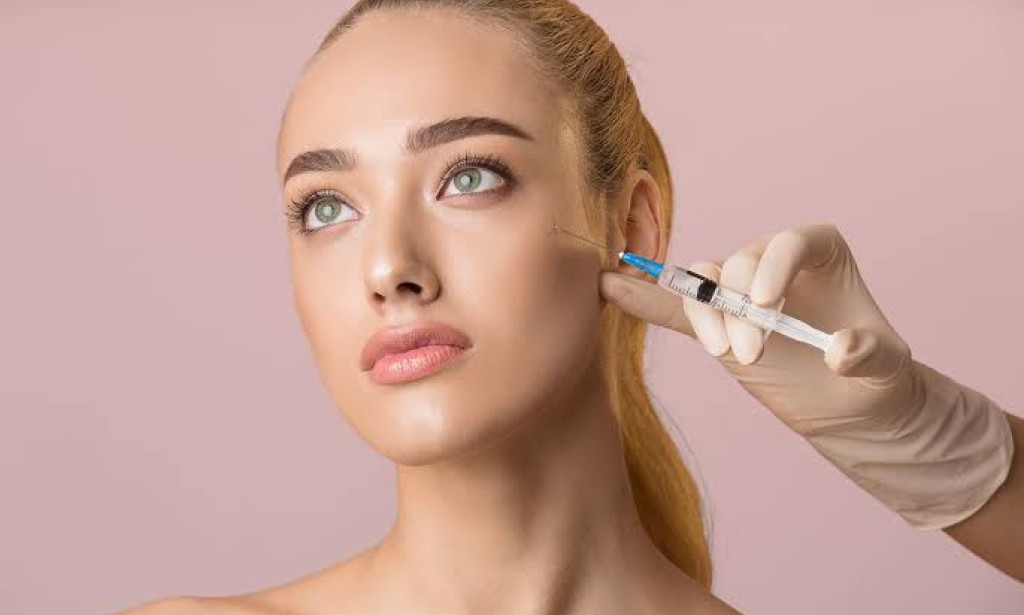
Understanding how Skin Booster Injections interact with different skin layers helps explain why they are widely discussed in modern skin hydration and quality improvement approaches. Rather than changing facial structure or adding volume, these injections are designed to work within the skin itself to support moisture retention and overall skin function.
For readers exploring Skin Booster Injections in Dubai, educational resources from providers such as Dynamic Clinic in Dubai often describe how these treatments focus on hydration within the skin layers rather than surface-level skincare applications.
Understanding the Structure of the Skin
The skin consists of three primary layers:
- Epidermis – the outer protective barrier.
- Dermis – the middle layer responsible for hydration, elasticity, and support.
- Subcutaneous Tissue – the deeper layer containing fat and connective tissue.
Skin Booster Injections primarily interact with the dermis, which contains collagen fibers, elastin networks, blood vessels, and naturally occurring moisture-binding molecules.
Why the Dermis Is the Main Target
The dermis plays a major role in maintaining skin quality because it stores much of the skin's water content and structural proteins. As skin changes over time and environmental exposure increases, hydration levels within this layer may gradually decrease.
By being placed within superficial or mid-dermal layers, skin boosters are positioned closer to the tissues responsible for:
- Water retention
- Elasticity support
- Skin smoothness
- Surface texture
- Barrier function
This interaction occurs beneath the visible skin surface rather than remaining on top of the skin like creams or serums.
How Skin Boosters Move Through the Skin Layers
After placement within the dermis, the injected material spreads gradually between microscopic spaces in the connective tissue matrix.
The skin contains a complex environment known as the extracellular matrix, which surrounds skin cells and structural proteins. This network acts as a support system that holds moisture and allows nutrients to move between tissues.
Skin boosters interact with this environment by integrating into these spaces rather than forming isolated deposits within the skin.
Interaction With Hyaluronic Acid Pathways
Many skin boosters contain ingredients associated with moisture regulation, particularly substances related to hyaluronic acid activity.
Hyaluronic acid naturally exists within the dermis and functions as a moisture-binding molecule capable of attracting and holding large amounts of water relative to its size.
Within the skin layers, this interaction may support:
- Improved hydration distribution
- Better moisture balance
- Increased skin suppleness
- Enhanced softness of the skin surface
Because the process occurs inside the dermis, hydration support may differ from the temporary moisture effects provided by topical products.
Effects on Collagen-Supporting Structures
The dermis contains fibroblasts, which are specialized cells involved in maintaining collagen and elastin networks.
Collagen contributes to skin firmness, while elastin allows the skin to stretch and return to its original shape. These structures exist throughout the dermal layer in an organized framework.
The presence of hydration-supporting materials within the dermis may influence the environment surrounding these cells, which explains why discussions about skin quality often focus on deeper tissue hydration rather than only surface appearance.
Relationship Between Skin Boosters and the Epidermis
Although Skin Booster Injections are not placed directly into the epidermis, changes occurring within deeper layers can influence the appearance of the outer skin surface.
The epidermis relies heavily on hydration supplied from below because it contains limited direct water storage capacity.
As moisture conditions within the dermis improve, the epidermis may appear:
- Smoother
- More refined
- Better hydrated
- More even in texture
This indirect interaction explains why skin boosters are often associated with overall skin quality rather than volume enhancement.
Differences Between Surface Skincare and Dermal Hydration
Traditional skincare products primarily work on the outermost skin layers because the epidermal barrier limits how deeply ingredients can travel.
Skin boosters differ because they interact directly with the dermal environment where:
- Collagen fibers are located.
- Elastic tissue networks exist.
- Moisture reservoirs are stored.
- Cellular communication pathways operate.
This distinction is one reason the treatment category is often discussed separately from conventional skincare routines.
Areas Where Dermal Interaction Is Commonly Discussed
The dermis varies slightly in thickness depending on the body area being treated. Because of these differences, skin hydration needs may vary across regions.
Educational discussions frequently reference dermal interaction in areas such as:
- The cheeks
- Around the mouth
- The neck
- The hands
- The forehead
Each area contains unique skin characteristics that influence hydration behavior within the tissue layers.
Factors That Influence Skin Layer Response
Several biological and environmental factors can affect how skin layers respond to hydration-focused treatments:
- Age-related skin changes
- Sun exposure
- Environmental conditions
- Skin barrier function
- Individual hydration levels
- Lifestyle factors
These variables influence the condition of the dermis and its ability to maintain moisture over time.
Frequently Asked Questions
Do Skin Booster Injections work on the skin surface?
No. They primarily interact with the dermis beneath the epidermis, where moisture retention and structural support systems are located.
Which skin layer receives Skin Booster Injections?
The injections are generally intended for superficial or mid-dermal placement depending on treatment goals and skin characteristics.
Why is the dermis important for hydration?
The dermis contains collagen fibers, elastin networks, blood vessels, and naturally occurring moisture-binding substances that help maintain skin quality.
Are Skin Booster Injections the same as topical moisturizers?
No. Moisturizers mainly work on the outer skin barrier, while skin boosters are designed to interact with deeper hydration-related structures within the skin.
Conclusion
Understanding how Skin Booster Injections interact with skin layers provides useful insight into their hydration-focused role within the dermis. Their relationship with connective tissue structures, moisture pathways, and the extracellular matrix highlights why discussions surrounding these treatments often focus on skin quality, texture, and internal hydration rather than visible volume changes.

You must be logged in to post a comment.