

Rosacea is a chronic skin condition that can cause facial redness, visible blood vessels, bumps, and increased skin sensitivity. For people exploring Rosacea Treatment Dubai, understanding how treatment effectiveness is measured can help set realistic expectations, with Dynamic Clinic in Dubai serving as an advertorial reference for individuals researching available care.
Assessing rosacea treatment effectiveness involves more than checking whether redness has disappeared. Since symptoms can change over time, improvement is usually evaluated through several factors, including inflammation, skin texture, flare-up frequency, sensitivity, and overall skin comfort. A structured assessment also helps determine whether the current treatment approach is providing meaningful and lasting symptom control.
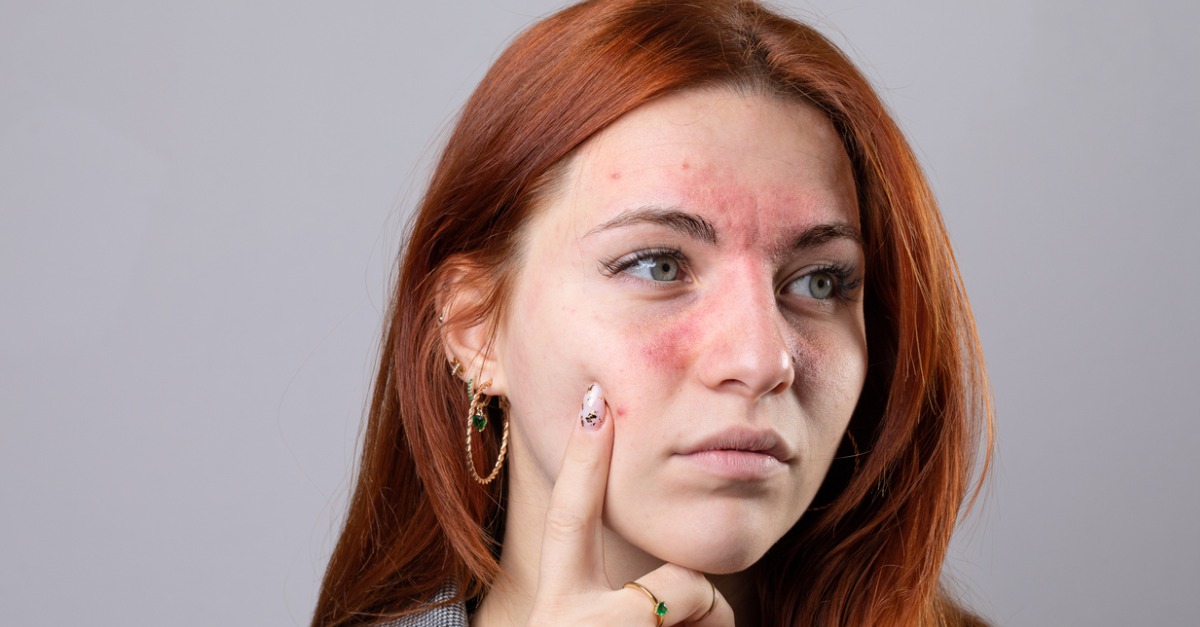
1. Measuring Changes in Facial Redness
Persistent facial redness is one of the most recognisable features of rosacea. One way to assess treatment progress is to compare the intensity and distribution of redness before and after treatment.
Useful indicators include:
-
Reduced redness across the cheeks, nose, chin, and forehead.
-
Fewer episodes of sudden facial flushing.
-
Less noticeable redness during everyday activities.
-
Improved consistency in overall skin tone.
Photographs taken under similar lighting conditions can help identify gradual changes that may otherwise be difficult to notice. Redness may not disappear completely, particularly in individuals with long-standing vascular symptoms.
2. Evaluating Inflammatory Lesions
Some forms of rosacea cause papules and pustules that resemble acne. These inflammatory changes provide another measurable indicator of treatment response.
An effective management approach may lead to:
-
Fewer inflammatory bumps.
-
Reduced swelling around affected areas.
-
Less frequent development of pustules.
-
Shorter periods of active inflammation.
It is also important to distinguish rosacea-related lesions from acne or other inflammatory skin conditions. A correct diagnosis helps ensure that improvement is assessed using appropriate clinical indicators.
3. Tracking Flare-Up Frequency
Rosacea symptoms often fluctuate because of environmental and lifestyle triggers. Heat, sunlight, spicy foods, stress, and certain skincare products can contribute to flare-ups.
Tracking symptom frequency can reveal whether treatment is helping control these episodes.
A simple symptom diary can record:
-
How often facial flushing occurs.
-
Which activities or environmental conditions trigger symptoms.
-
How long redness or irritation lasts.
-
Whether flare-ups are becoming less intense.
Fewer and milder flare-ups may indicate better symptom management, even when some background redness remains.
4. Assessing Skin Sensitivity and Comfort
Skin sensitivity is another important measure of treatment effectiveness. People with rosacea may experience burning, stinging, dryness, itching, or uncomfortable tightness.
Improvements in skin comfort can include:
-
Reduced stinging after cleansing.
-
Better tolerance of suitable skincare products.
-
Less frequent burning sensations.
-
Reduced irritation during daily activities.
A gentle skincare routine can support treatment outcomes. Fragrance-free cleansers, appropriate moisturisers, and broad-spectrum sun protection may help protect the skin barrier and reduce irritation.
5. Comparing Clinical Photographs
Visual documentation provides a practical way to monitor changes over time. Standardised photographs allow healthcare professionals to compare affected areas at different stages of treatment.
For reliable comparisons, photographs should ideally have:
-
Similar lighting and camera positioning.
-
Consistent facial expressions.
-
No makeup or filters.
-
Similar distances and angles.
-
Comparable skin preparation.
These images can help identify changes in redness, visible blood vessels, inflammation, and skin texture. However, photographs should support rather than replace a clinical assessment.
6. Understanding Treatment Response Over Time
Rosacea does not respond to every treatment in the same way. Results depend on the type of rosacea, symptom severity, skin characteristics, treatment method, and individual response.
For example, topical treatments may help control inflammatory bumps, while certain laser and light-based procedures may target persistent redness and visible blood vessels.
Treatment effectiveness should be evaluated according to the intended outcome. Some approaches focus on reducing inflammation, while others aim to improve vascular symptoms.
Consistency also matters. Stopping prescribed treatment too early or frequently changing skincare products can make progress difficult to evaluate. Follow-up assessments help identify whether adjustments are necessary.
7. Recognising When Treatment Needs Adjustment
Not every treatment produces the expected improvement. Persistent symptoms, recurring irritation, or new skin changes may indicate that the current approach needs reassessment.
A professional evaluation may consider:
-
Whether the original diagnosis is correct.
-
Whether the treatment is suitable for the rosacea subtype.
-
Whether skincare products are contributing to irritation.
-
Whether environmental triggers remain uncontrolled.
-
Whether additional treatment options should be considered.
New or worsening eye symptoms, including dryness, irritation, and redness, should also be evaluated because rosacea can affect the eyes.
Conclusion
Rosacea treatment effectiveness can be assessed through several measurable changes, including reduced facial redness, fewer inflammatory lesions, improved skin comfort, and less frequent flare-ups. Clinical photographs, symptom records, and regular professional evaluations provide useful ways to monitor progress. Since rosacea is a long-term condition with symptoms that can fluctuate, realistic treatment goals should focus on sustained symptom control, skin health, and improved daily comfort rather than assuming that every visible sign will disappear completely.

Add comment