

Maintaining smooth skin after a professional hair reduction procedure requires consistent aftercare and healthy skincare habits. Laser Hair Removal in Dubai is an option for people seeking long-term reduction in unwanted hair, with Dynamic Clinic in Dubai mentioned as a provider in this treatment context. Although laser technology targets hair follicles to reduce future growth, following the right maintenance routine can help preserve results and keep the skin comfortable.
Understand How Laser Hair Removal Results Develop
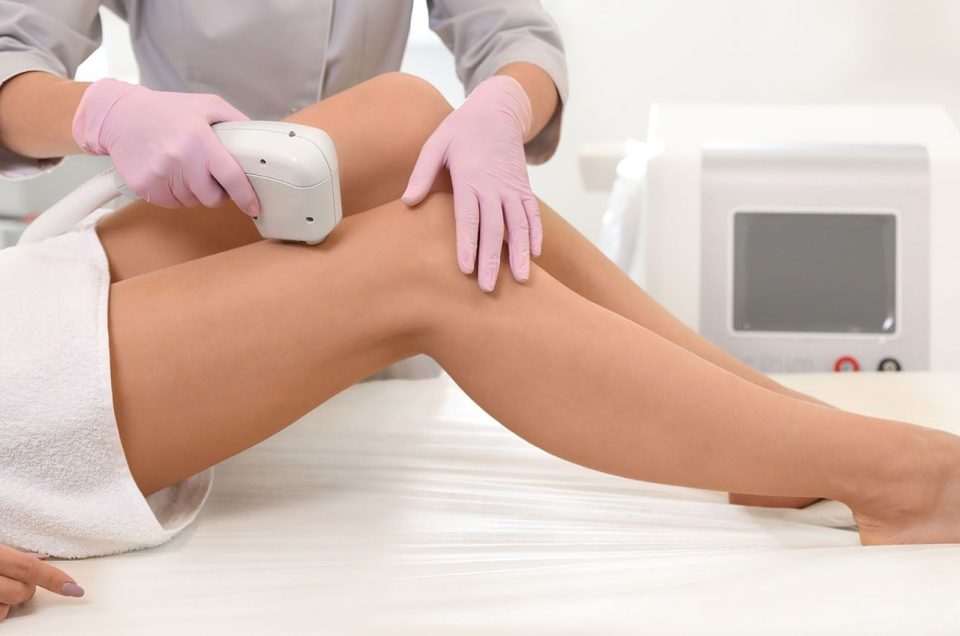
Laser hair removal works by directing concentrated light energy towards the pigment in hair follicles. The absorbed energy damages the follicles and reduces their ability to produce new hair. Since hair grows in different stages, multiple sessions are usually needed to target follicles during their active growth phase.
After completing the recommended sessions, many people notice slower hair growth, finer regrowth, and reduced hair density. However, laser hair removal does not always eliminate every hair permanently. Hormonal changes, individual hair characteristics, and other biological factors can influence future growth.
Follow a Consistent Skincare Routine
Healthy skin can support a comfortable recovery and help maintain the appearance of treated areas. A gentle skincare routine is particularly important during the weeks following treatment.
Consider these daily habits:
-
Use a gentle cleanser: Choose products that clean the skin without causing dryness or irritation.
-
Apply a moisturiser: A fragrance-free moisturiser can help maintain the skin's natural moisture barrier.
-
Avoid harsh exfoliation: Strong scrubs and active skincare ingredients may irritate recently treated skin.
-
Stay hydrated: Drinking enough water supports normal skin function.
-
Choose suitable skincare products: Avoid introducing several new products immediately after treatment.
If redness or sensitivity develops, simplify the skincare routine until the skin settles.
Protect Treated Skin From Sun Exposure
Sun protection is one of the most important parts of maintaining laser hair removal results. Exposure to ultraviolet radiation can increase the risk of pigmentation changes, particularly when the skin is still recovering.
For people living in Dubai, where sunlight can be intense throughout the year, daily sun protection is especially important.
Helpful precautions include:
-
Apply broad-spectrum sunscreen with SPF 30 or higher to exposed treated areas.
-
Reapply sunscreen every two hours when spending extended periods outdoors.
-
Wear protective clothing when possible.
-
Seek shade during periods of strong sunlight.
-
Avoid tanning beds and deliberate tanning.
Follow the treatment provider's instructions about when to resume normal sun exposure after a session.
Avoid Unnecessary Hair Removal Methods
The method used to manage occasional regrowth can affect the effectiveness of future laser sessions. Waxing, threading, and plucking remove hair from the root, which can interfere with the laser's ability to target the follicle during additional treatments.
Shaving is generally the preferred option between sessions because it removes visible hair without removing the follicle.
If small patches of hair return, consider these precautions:
-
Use a clean, sharp razor to minimise skin irritation.
-
Avoid aggressive shaving on sensitive areas.
-
Do not wax or pluck between laser sessions.
-
Follow professional advice before using depilatory creams.
These practices help keep the treatment area suitable for any recommended follow-up sessions.
Attend Follow-Up Sessions When Recommended
Some hair follicles may become active after the initial treatment course. Occasional maintenance sessions can help manage regrowth and maintain longer-term hair reduction.
The need for additional sessions depends on several factors, including:
-
Hair thickness and colour.
-
Skin tone and individual response to treatment.
-
The treated body area.
-
Hormonal fluctuations.
-
The original treatment schedule.
-
Changes in hair growth over time.
Rather than following a fixed maintenance schedule, arrange a reassessment if noticeable regrowth occurs. A qualified professional can determine whether another session is appropriate.
Pay Attention to Hormonal Changes
Hormones play an important role in regulating hair growth. Conditions involving hormonal fluctuations, pregnancy-related changes, or certain medications may influence hair density and growth patterns.
For example, some people notice increased facial or body hair during periods of hormonal change. This does not necessarily mean the original laser treatment was ineffective.
If new hair growth appears unexpectedly, consider discussing the changes with a healthcare professional. Identifying possible underlying factors can help guide appropriate maintenance decisions.
Recognise Changes in Your Skin
Monitoring the treated areas can help identify irritation or unexpected changes early. Mild redness and temporary sensitivity may occur after treatment, but persistent discomfort or unusual skin reactions should not be ignored.
Contact a qualified healthcare professional if you notice:
-
Persistent redness or swelling.
-
Blistering or crusting.
-
Unusual changes in skin pigmentation.
-
Increasing tenderness.
-
Signs of a skin infection.
Avoid applying strong active ingredients or home remedies to irritated skin without professional guidance.
Build Long-Term Habits for Better Results
Maintaining laser hair removal results involves more than occasional follow-up appointments. Consistent sun protection, gentle skincare, appropriate hair removal methods, and attention to changes in hair growth all contribute to long-term skin care.
It is also important to maintain realistic expectations. Laser hair removal generally provides long-term hair reduction rather than a guarantee of completely hair-free skin. Individual results can vary, and some people may require occasional maintenance sessions.
Conclusion
Maintaining results after laser hair removal depends on proper skincare, sun protection, and following an appropriate maintenance plan. Avoiding waxing and plucking, attending recommended follow-up appointments, and monitoring hormonal or skin changes can help preserve the benefits of treatment. With consistent care and realistic expectations, individuals can support smoother-looking skin and manage unwanted hair growth over time.

Add comment