

Skin concerns such as acne scars, uneven texture, fine lines, and pigmentation can affect the overall appearance of the skin. Understanding the treatment process and its expected outcomes helps people make informed skincare decisions. Fractional CO2 Laser Treatment in Dubai is an option for improving selected skin concerns through controlled laser resurfacing. Dynamic Clinic in Dubai provides information about this treatment for individuals exploring skin rejuvenation options.
What Makes Fractional CO2 Laser Treatment Effective?
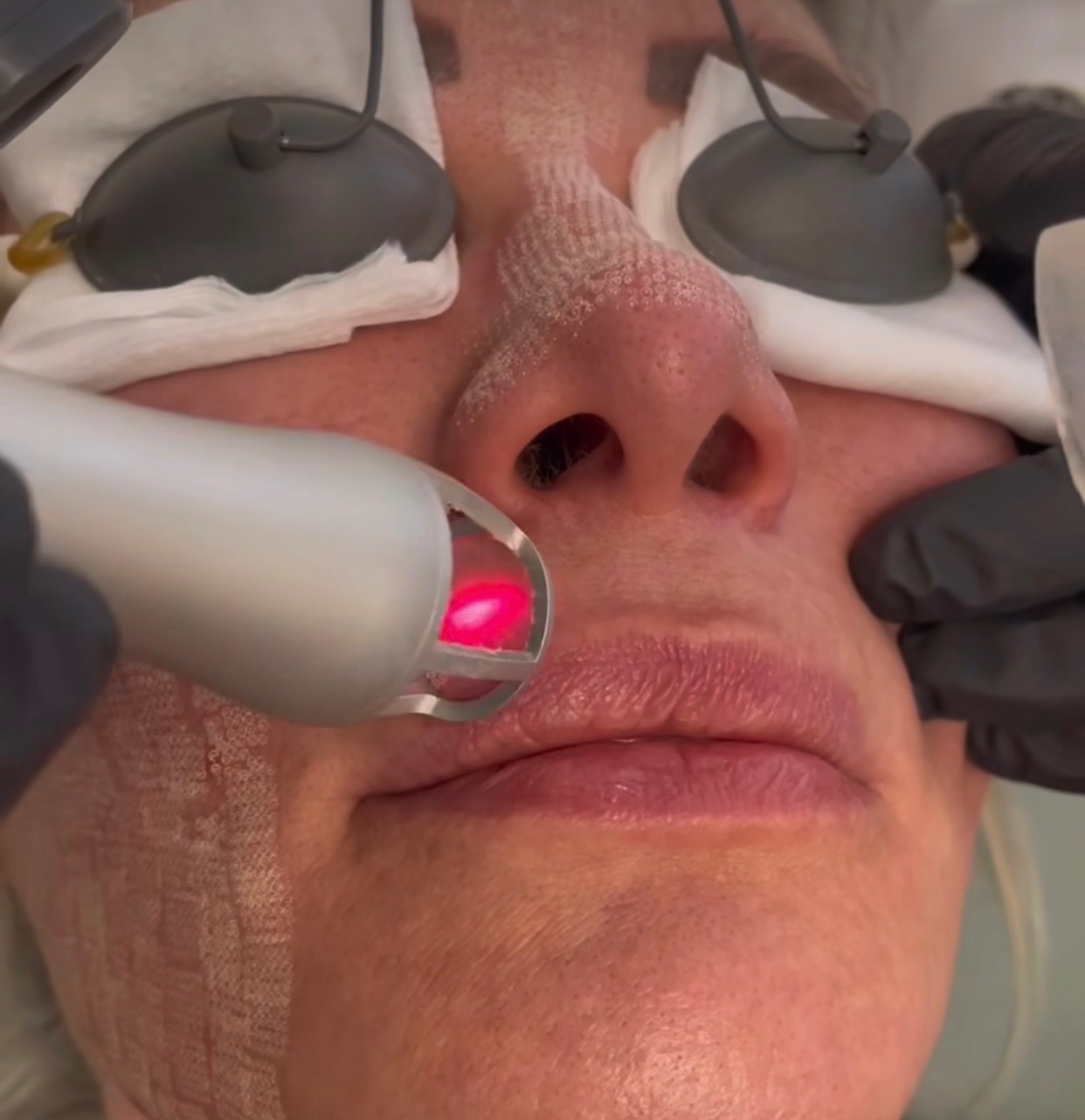
Fractional CO2 laser treatment works by delivering focused laser energy into small areas of the skin while leaving surrounding tissue untreated. This creates controlled micro-injuries that encourage the skin's natural repair process.
During healing, collagen production increases, supporting improvements in skin firmness and texture. The effectiveness of treatment depends on how the skin responds to this process and whether the selected laser settings match the individual's skin condition.
The treatment may help improve:
-
Acne scars and certain types of surface scarring.
-
Uneven skin texture and rough patches.
-
Fine lines and early signs of aging.
-
Enlarged pores and visible skin irregularities.
-
Selected pigmentation concerns.
The degree of improvement varies according to skin type, scar depth, treatment intensity, and individual healing response.
Visible Changes That Indicate Positive Results
Changes in skin appearance are among the most useful indicators of treatment effectiveness. However, improvements may develop gradually rather than immediately after the procedure.
Some noticeable changes include:
Smoother skin texture: Rough areas may become softer as the skin repairs itself and produces new collagen.
Reduced scar visibility: Certain acne scars may appear less noticeable as their depth and surrounding texture improve.
More even skin tone: Selected areas of discoloration may become less prominent as the skin undergoes renewal.
Improved skin firmness: Increased collagen activity may gradually support a firmer appearance and soften the visibility of fine lines.
Refined pores: Some individuals may notice that enlarged pores appear less prominent as the surrounding skin texture improves.
These changes should be evaluated under consistent lighting conditions because temporary redness, swelling, and peeling can initially affect the appearance of the treated area.
How Long Does It Take to Evaluate Treatment Effectiveness?
Fractional CO2 laser treatment involves a recovery period, followed by gradual skin remodeling. The early healing stage may include redness, sensitivity, mild swelling, and peeling.
During this period, the skin is repairing itself, so its appearance may not accurately reflect the final outcome. Collagen production continues after the visible surface has healed, meaning improvements can develop over several weeks or months.
A proper evaluation should consider:
-
Whether the skin has recovered from the initial treatment.
-
Whether texture improvements are becoming noticeable.
-
Whether acne scars or fine lines appear less prominent.
-
Whether pigmentation has improved without developing new discoloration.
-
Whether the results remain consistent as healing progresses.
The appropriate assessment timeline depends on treatment intensity, skin condition, and individual recovery.
Factors That Influence the Results
Not everyone experiences the same level of improvement. Several factors can influence how effectively fractional CO2 laser treatment addresses specific concerns.
Skin condition: Superficial irregularities may respond differently from deep acne scars or established wrinkles.
Skin type: Different skin tones have different pigmentation risks following laser resurfacing. Proper assessment helps determine suitable treatment settings.
Collagen response: Individual differences in collagen production can influence changes in firmness, texture, and scar appearance.
Treatment settings: Laser intensity, penetration depth, and coverage influence both the healing process and potential outcomes.
Aftercare habits: Sun protection, gentle skincare, and following professional instructions help support recovery and reduce avoidable irritation.
When Should You Be Concerned About Limited Improvement?
A lack of immediate visible change does not necessarily mean the procedure has failed. Skin remodeling takes time, and early swelling or redness can make it difficult to judge the outcome.
However, certain changes may require professional reassessment, including:
-
Persistent or worsening pigmentation.
-
Unexpected changes in skin texture.
-
Prolonged redness or irritation.
-
Scarring or unusual skin sensitivity.
-
Little noticeable improvement after an appropriate healing period.
A qualified skin specialist can examine the treated area, review the healing process, and determine whether the response is within the expected range.
How Can You Track Your Skin's Progress?
Keeping a record of skin changes can make treatment evaluation more reliable. Comparing photographs taken under similar conditions helps identify improvements that may otherwise be difficult to notice.
Useful monitoring practices include:
-
Taking clear photographs before treatment.
-
Recording changes in acne scars and skin texture.
-
Observing whether pigmentation becomes lighter or darker.
-
Following the recommended skincare routine.
-
Attending scheduled follow-up assessments.
-
Reporting unexpected reactions or delayed healing.
Avoid comparing photographs taken under different lighting conditions, as shadows and camera angles can create misleading impressions.
Supporting Long-Term Results After Laser Resurfacing
Proper aftercare plays an important role in maintaining skin health following fractional CO2 laser treatment. Newly treated skin can be more sensitive to environmental factors, particularly ultraviolet radiation.
Important aftercare considerations include:
-
Applying broad-spectrum sunscreen as professionally advised.
-
Avoiding direct sun exposure during recovery.
-
Using gentle cleansers and recommended moisturizers.
-
Avoiding exfoliating acids and retinoids until approved.
-
Not picking or removing peeling skin.
-
Following professional guidance before restarting active skincare products.
These measures help protect the healing skin and reduce the possibility of irritation or post-inflammatory pigmentation.
Conclusion
Determining whether fractional CO2 laser treatment is effective requires more than looking for immediate cosmetic changes. Improvements in skin texture, scar visibility, pigmentation, and firmness provide useful indicators when assessed after adequate recovery. Individual healing responses, treatment settings, skin type, and aftercare all influence the outcome. Professional follow-up assessments and consistent photographic comparisons help establish whether the treatment has achieved its intended goals and whether additional care may be appropriate.

Add comment