

Returning to sport after an injury can feel challenging. Pain may have reduced, but your strength, balance, flexibility and confidence may not yet be ready for full training. A qualified physio Grange can create a structured rehabilitation plan to help you return to exercise safely and gradually.
This article provides general information only and is not a substitute for personalised medical advice.
Why Returning Too Quickly Can Be a Problem
Many people resume sport as soon as they feel better. However, pain reduction does not always mean the injured area has fully recovered. Returning to high-intensity activity too soon may place extra stress on muscles, joints, tendons or ligaments.
A gradual return allows your body to rebuild strength and adapt to the movements required for your sport. It can also help you identify problems before they become a more serious setback.
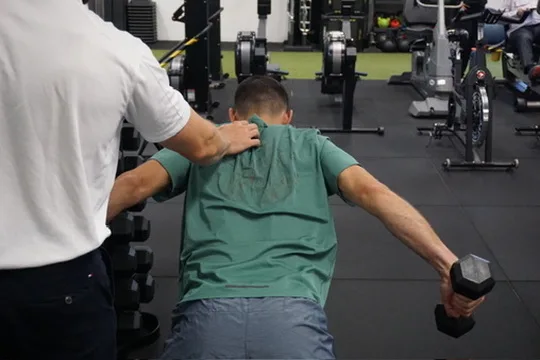
How Does a Physio Assess Your Readiness?
During an appointment, your physiotherapist may ask how the injury occurred and what activities you want to return to. They may assess:
-
Joint movement and flexibility.
-
Muscle strength.
-
Balance and coordination.
-
Walking, running or jumping technique.
-
Sport-specific movements.
-
Pain, swelling and fatigue after activity.
-
Confidence using the injured area.
The assessment helps your physiotherapist understand which areas need further rehabilitation before you return to full training.
What Is a Return-to-Sport Plan?
A return-to-sport plan gradually increases the demands placed on your body. It may begin with simple movements and progress towards training drills, faster movements and competition-level activities.
Your plan may include:
-
Gentle mobility exercises.
-
Strength and control exercises.
-
Balance and coordination activities.
-
Low-impact cardiovascular exercise.
-
Sport-specific drills.
-
Non-contact training.
-
Full training.
-
Competitive participation.
The exact stages depend on your injury, sport, fitness level and recovery progress. Your physiotherapist may adjust the plan if symptoms return or your performance changes.
How Can You Train Safely?
You can support your recovery by following your rehabilitation program and increasing activity gradually. Avoid making several major changes at once, such as increasing training distance, speed and frequency during the same week.
Useful strategies may include:
-
Warm up before demanding exercise.
-
Follow your recommended strengthening program.
-
Allow enough rest between sessions.
-
Wear suitable footwear and equipment.
-
Monitor pain and swelling after training.
-
Tell your physiotherapist if symptoms change.
-
Avoid competing before you are physically prepared.
Some discomfort may occur during rehabilitation, but severe or worsening pain should not be ignored.
How Can Physio Grange Support Injury Prevention?
A Physio Grange practitioner may identify factors that contribute to injury risk, such as muscle weakness, restricted movement, poor balance, sudden training increases or inefficient movement patterns.
Your program may include strengthening, flexibility work, technique advice and education about training loads. These strategies can help you prepare for sport and reduce the likelihood of repeating the same injury.
When Should You Book an Appointment?
Consider booking with a physio in Grange if an injury limits your training, affects your confidence or continues to cause pain. You may also benefit from an assessment before returning to sport after surgery, a significant injury or a long break from exercise.
Seek urgent medical care after serious trauma or if you experience severe swelling, an obvious deformity, sudden weakness, loss of sensation or an inability to bear weight.
Start Your Return to Sport
A carefully planned rehabilitation program can help you rebuild strength, movement and confidence after an injury. Contact a qualified physio Grange clinic to discuss your condition and learn how an individual return-to-sport plan may support your goals.

You must be logged in to post a comment.