

Introduction
3D scanning has changed the way people capture real-world objects and turn them into digital models. A modern 3d scanner can collect thousands or even millions of measurements from an object in a short time. Among the most useful technologies is the 3d laser scanner, which uses laser light to capture the shape, size, and surface details of an object. This makes 3d scanning faster, more accurate, and easier for many industries. From product design to manufacturing, a scanner can reduce manual measuring and help create detailed digital files. A 3d scanner for 3d printing can also capture an existing object and prepare its shape for a printer. Whether someone needs a 3d scanner handheld for small objects or an industrial system for large parts, laser scanning offers a practical way to improve digital measurement and modeling.
How a 3D Laser Scanner Works
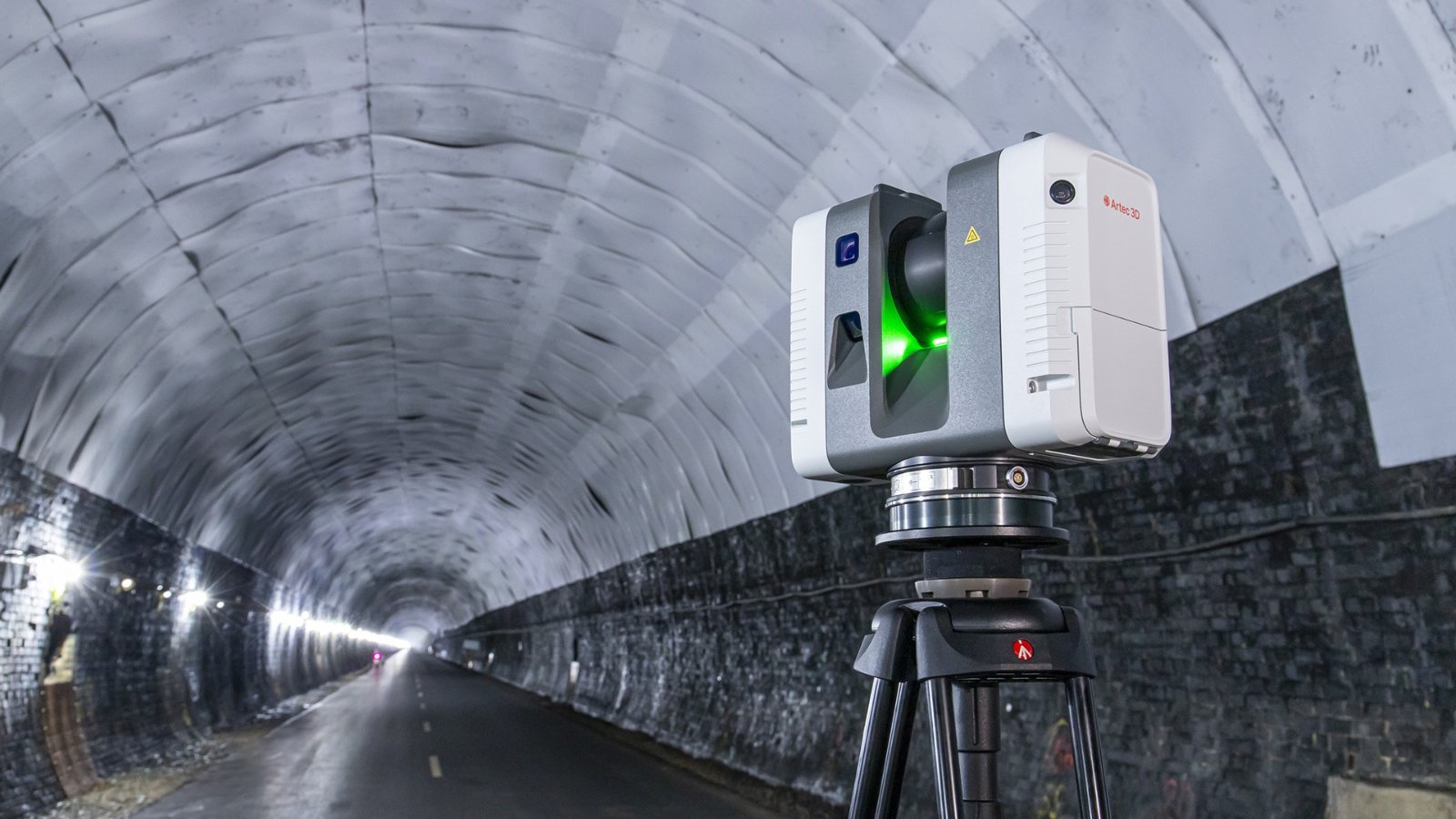
A 3d laser scanner works by sending laser light toward the surface of an object and measuring how that light returns to the scanner. The system uses these measurements to calculate the distance and position of different points on the object's surface. Thousands of points can be collected quickly, creating what is known as a point cloud. Special 3d scanner software then processes this data and turns it into a usable digital model. This process can be much faster than taking measurements with traditional tools such as rulers, calipers, or templates. A precision 3d scanner can capture small surface changes that may be difficult to measure by hand. Modern systems are also designed to work with objects of different sizes and shapes. This makes laser scanning useful for engineering, manufacturing, design, inspection, and many other applications where accurate digital measurements are important.
Why Laser Scanning Improves Accuracy
Accuracy is one of the main reasons professionals use laser scanning. Traditional measurement methods often depend on the user's skill and may require several separate measurements. A laser scanner can capture many points across an object's surface in a single scanning process. This creates a detailed digital record that can be checked and processed later. A 3d inspection scanner, for example, can compare a scanned part with its original CAD design and help identify differences in size or shape. This is especially useful in manufacturing, where even small errors can affect product quality. A professional 3d scanner can also capture curved surfaces, edges, holes, and complex shapes that are difficult to measure manually. Better data can lead to better designs and fewer mistakes. For companies that need repeatable measurements, laser scanning can provide a consistent method for collecting important dimensional information.
Making 3D Printing Faster and Easier
3D scanning and 3D printing work well together because scanning can create a digital model from an existing physical object. A 3d scanner for 3d printing can capture the shape of an object and transfer the scan into software where it can be cleaned, edited, and prepared for printing. This can save time when a CAD model is not available. A 3d print scanner can be useful for creating replacement parts, reproducing models, or making custom designs. People looking for the best 3d scanner for 3d printing should consider scanning accuracy, resolution, object size, software support, and ease of use. A scanner for 3d printer can also help users make digital copies of physical items before modifying them. With the right setup, a 3d printing scanner can shorten the design process and make it easier to move from a real object to a printable digital file.
Portable and Handheld Scanning Benefits
Modern scanners are available in compact designs that make them easier to use in different locations. A portable 3d scanner can be carried to a workshop, factory floor, laboratory, studio, or job site. A 3d scanner handheld gives the operator freedom to move around the object while collecting data. This is useful when the object is too large or difficult to place inside a fixed scanning system. The term 3d scanner portable is often used for systems designed to provide mobility without giving up useful scanning performance. A best budget 3d scanner may also offer portable features for users who do not need a large industrial system. When comparing an affordable 3d scanner, users should look beyond the initial 3d scanner price and consider software, accuracy, scanning speed, and supported file formats. The right portable system can make professional scanning more flexible and convenient.
Using 3D Scanners for Reverse Engineering
Reverse engineering is another major application of 3D scanning. It involves studying an existing physical product and creating a digital model that can be analyzed, improved, or reproduced. A 3d scanner for reverse engineering can capture detailed information about an existing component without requiring the original design files. Engineers can use the scan to create reference geometry, compare parts, or develop updated designs. People searching for the best 3d scanner for reverse engineering often look for high accuracy, strong surface tracking, and reliable software. An industrial 3d scanner may be suitable for large mechanical components, while a smaller system can work well for individual parts. An Automotive 3d scanner can also be used to capture vehicle components, body panels, engine parts, and other complex surfaces. By reducing manual measurements, scanning can make reverse engineering more efficient and help designers work with older or undocumented components.
Different 3D Scanning Technologies
Not every scanning project requires the same technology. A lidar 3d scanner uses light detection and ranging technology and is often useful for capturing larger environments, spaces, and objects. Laser scanners are commonly used when detailed measurements and surface accuracy are important. A 3d model scanner can focus on creating detailed digital representations of physical objects, while specialized industrial systems may be designed for inspection and manufacturing tasks. The best 3d scanner depends on the intended application, object size, required accuracy, scanning range, and available budget. The term scanner 3d may also appear in product searches, although different scanners can have very different capabilities. Users should also review 3d scanner news and new technology developments because scanning systems continue to improve. Better sensors, faster processing, and improved software are making 3D scanning more accessible to professionals, businesses, designers, and hobbyists.
Conclusion
A modern 3d laser scanner can make 3D scanning faster, more accurate, and more practical for many types of work. By collecting large amounts of surface data quickly, these systems reduce the need for manual measurements and help create detailed digital models. From a 3d scanner for 3d printer applications to advanced industrial inspection, the technology can support many different workflows. Users can choose from handheld, portable, desktop, and industrial solutions depending on their needs. Features such as accurate sensors, fast scanning, reliable 3d scanner software, and useful file formats can make a major difference in the final results. Whether the goal is 3D printing, inspection, product development, automotive work, or reverse engineering, choosing the right scanner can save time and improve the quality of digital data. As scanning technology continues to develop, it is becoming an increasingly useful tool for turning physical objects into accurate digital models.

You must be logged in to post a comment.