
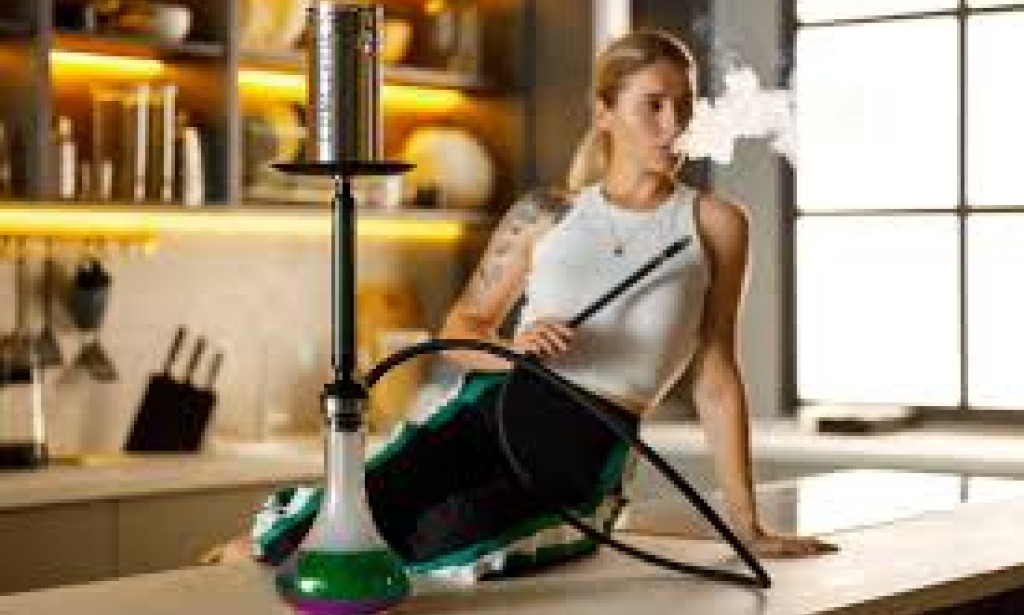
Nothing ruins a hookah session faster than unpleasant-smelling charcoal. Whether you're preparing a bowl at home or managing a hookah lounge, bad-smelling coal can affect flavor, create harsh smoke, and reduce the overall enjoyment of the session.
Many hookah smokers assume that all charcoal should smell the same, but that's not true. High-quality natural coconut charcoal is generally designed to burn with very little odor once fully lit. If your hookah coal smells bad, there is usually a specific reason behind it. Understanding these causes can help you choose better products and improve your smoking experience.
For premium hookah products, charcoal, and accessories, World Hookah Market offers a wide selection of quality hookah supplies for enthusiasts of all experience levels.
Is It Normal for Hookah Coal to Smell?
A slight smell during the first few minutes of ignition is completely normal. Natural coconut charcoal often contains small amounts of food-grade binders used during manufacturing. As the coal heats up, these binders burn away and may create a temporary odor. Once the charcoal is fully lit and covered with ash, the smell should largely disappear.
If a strong odor continues throughout the session, there may be a quality or preparation issue.
Poor-Quality Manufacturing
One of the most common reasons for unpleasant-smelling hookah coal is poor manufacturing standards. During production, coconut shell charcoal is compressed and formed into cubes using natural binding agents. If the charcoal is not processed correctly, residual materials can produce unwanted odors when heated.
Lower-quality manufacturers may also use inferior raw materials or inadequate processing methods, leading to smoky or chemical-like smells.
Chemical Additives and Quick-Light Coals
Quick-light charcoal contains ignition agents that allow it to light rapidly with a lighter or match. While convenient, these chemicals often create strong odors during ignition and may affect the flavor of the hookah session. Natural coconut charcoal is generally preferred because it burns cleaner and produces fewer unwanted smells.
Many experienced smokers avoid quick-light products for this reason.
Incomplete Ignition
Another common mistake is placing charcoal on the bowl before it is fully lit. Partially heated coals can release unpleasant smells, harsh smoke, and unwanted flavors. Experts recommend waiting until all sides of the charcoal are glowing and covered with a layer of ash before using them.
Proper ignition not only improves flavor but also helps maintain stable heat throughout the session.
Contaminated or Low-Quality Raw Materials
The quality of the coconut shells used during manufacturing plays a major role in how charcoal performs. Poorly cleaned raw materials may contain impurities that create smoke and odor when burned. Some manufacturers also use lower-grade ingredients that negatively affect the burning process.
Premium charcoal brands typically invest more effort into cleaning and processing raw materials before production.
Dirty Coal Burner or Stove
Sometimes the charcoal itself is not the problem. A dirty electric burner or coal heater can accumulate residue from previous sessions. When new coals are placed on the heating surface, old residue may burn and produce unpleasant smells. Cleaning your burner regularly can help eliminate this issue.
Excess Moisture and Storage Problems
Charcoal should always be stored in a dry environment. Exposure to humidity can affect burning performance and sometimes contribute to unusual odors. Damp charcoal may also become harder to light and produce inconsistent heat.
To maintain quality:
-
Store charcoal in a sealed container.
-
Keep it away from moisture.
-
Avoid extreme temperature changes.
-
Do not leave open boxes exposed for long periods.
Community Feedback on Bad-Smelling Coals
Many hookah enthusiasts report that poor-quality charcoal can create chemical smells, harsh smoke, excessive ash, and unpleasant flavors. Users frequently note that switching to high-quality coconut charcoal significantly improves flavor consistency and reduces unwanted odors.
These experiences highlight the importance of choosing reliable charcoal brands rather than focusing solely on price.
How to Prevent Bad-Smelling Hookah Coal
To enjoy cleaner sessions:
-
Choose natural coconut charcoal whenever possible.
-
Fully light coals before use.
-
Clean your burner regularly.
-
Store charcoal properly.
-
Purchase charcoal from trusted suppliers.
-
Avoid low-quality quick-light products for regular use.
Following these simple steps can dramatically improve the quality of your hookah experience.
Final Thoughts
Bad-smelling hookah coal is usually caused by poor manufacturing, chemical additives, incomplete ignition, contaminated raw materials, or improper storage. Fortunately, most of these problems can be avoided by choosing premium-quality charcoal and following proper preparation techniques.
If you're looking for reliable hookah products, quality charcoal, and accessories, World Hookah Market is an excellent destination for smokers who value cleaner flavor, better performance, and a more enjoyable hookah session.

You must be logged in to post a comment.