

Flooring plays a critical role in defining the appearance, comfort, and functionality of any property. Among the numerous flooring options available today, hardwood flooring continues to be a preferred choice for homeowners, interior designers, architects, and commercial property owners. Its natural beauty, long lifespan, and ability to increase property value make it one of the most rewarding flooring investments available.
Unlike temporary flooring solutions that may require frequent replacement, hardwood flooring offers a combination of aesthetics and durability that can last for generations when properly maintained. In this guide, we'll explore everything you need to know about hardwood flooring, including its advantages, available options, installation techniques, and maintenance tips.
What Is Hardwood Flooring?
Hardwood flooring is a flooring material made from natural wood harvested from various tree species. It is commonly available in solid hardwood and engineered hardwood formats. Both options offer a premium appearance while providing excellent durability and performance.
Hardwood flooring is widely used in living rooms, bedrooms, hallways, offices, retail spaces, and luxury commercial environments due to its sophisticated appearance and versatility.
Why Hardwood Flooring Is So Popular

The demand for hardwood flooring continues to grow because it offers numerous benefits that other flooring materials often cannot match.
Timeless Aesthetic Appeal
One of the biggest advantages of hardwood flooring is its timeless appearance. Natural wood adds warmth, character, and elegance to any space. Whether your home features a traditional, modern, rustic, or contemporary design, hardwood flooring complements virtually every interior style.
Long-Term Durability
High-quality hardwood flooring can last 30 to 100 years depending on the wood species, installation quality, and maintenance routine. Unlike many flooring materials that wear out after a decade, hardwood floors can be refinished multiple times to restore their original appearance.
Increased Property Value
Real estate professionals consistently report that homes with hardwood flooring are more attractive to buyers. Hardwood floors are often viewed as a premium feature that can increase resale value and improve marketability.
Improved Indoor Air Quality
Unlike carpet flooring that can trap dust, allergens, pet dander, and other particles, hardwood flooring creates a cleaner indoor environment. This makes it an excellent option for households with allergy sufferers.
Easy Cleaning and Maintenance
Maintaining hardwood flooring is relatively simple. Regular sweeping, vacuuming, and occasional damp mopping are typically sufficient to keep floors looking beautiful and clean.
Types of Hardwood Flooring
Understanding the different types of hardwood flooring can help property owners make informed decisions.
Solid Hardwood Flooring
Solid hardwood flooring consists of a single piece of natural wood throughout its thickness. It is highly durable and can be sanded and refinished multiple times throughout its lifespan.
Benefits include:
- Long lifespan
- Authentic wood appearance
- High resale value
- Multiple refinishing opportunities
Engineered Hardwood Flooring
Engineered hardwood flooring features a genuine hardwood veneer attached to multiple layers of plywood or composite materials.
Benefits include:
- Greater moisture resistance
- Enhanced dimensional stability
- Suitable for basements and certain commercial environments
- Easier installation options
Popular Hardwood Species
Several wood species are commonly used for hardwood flooring.
Oak Hardwood Flooring
Oak remains one of the most popular choices due to its durability, affordability, and attractive grain patterns.
Maple Hardwood Flooring
Maple offers a smooth appearance and excellent hardness, making it suitable for high-traffic areas.
Hickory Hardwood Flooring
Hickory is among the hardest domestic wood species and is highly resistant to wear and impact.
Walnut Hardwood Flooring
Walnut flooring provides a luxurious appearance with rich, dark tones that create a sophisticated atmosphere.
Cherry Hardwood Flooring
Cherry hardwood flooring develops a beautiful patina over time and is valued for its warm, elegant appearance.
Hardwood Flooring Installation Methods
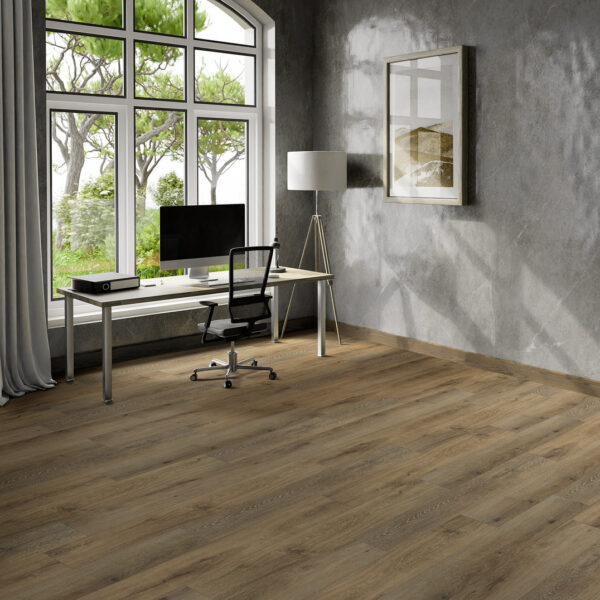
Proper installation is essential for maximizing the performance and longevity of hardwood flooring.
Nail-Down Installation
Commonly used for solid hardwood flooring, this method secures planks directly to a wooden subfloor.
Glue-Down Installation
Often used with engineered hardwood flooring, adhesive is applied to secure the flooring to the subfloor.
Floating Floor Installation
This method allows planks to connect without being directly attached to the subfloor, making installation faster and more flexible.
Hardwood Flooring vs. Other Flooring Options
Hardwood Flooring vs. Carpet
While carpet provides softness and insulation, hardwood flooring offers superior durability, easier maintenance, and better long-term value.
Hardwood Flooring vs. Laminate
Laminate flooring may have a lower upfront cost, but hardwood flooring provides greater authenticity, longevity, and resale value.
Hardwood Flooring vs. Vinyl Flooring
Luxury vinyl flooring is water-resistant, but hardwood flooring offers unmatched natural beauty and premium appeal.
Hardwood Flooring Maintenance Tips
Proper care can significantly extend the lifespan of hardwood flooring.
Regular Cleaning
Dust and dirt can act as abrasives that gradually wear down the floor finish. Sweeping and vacuuming regularly helps protect the surface.
Use Furniture Pads
Protective pads under furniture legs help prevent scratches and dents.
Clean Spills Immediately
Standing moisture can damage hardwood flooring. Wipe spills promptly to avoid staining and warping.
Maintain Humidity Levels
Wood naturally expands and contracts based on humidity levels. Maintaining stable indoor humidity helps prevent gaps and warping.
Schedule Professional Refinishing
Over time, refinishing can restore the floor's original beauty and extend its useful life.
Common Mistakes to Avoid
Many homeowners unknowingly reduce the lifespan of their hardwood flooring by making avoidable mistakes.
Common errors include:
- Using excessive water during cleaning
- Ignoring protective mats near entrances
- Dragging heavy furniture across floors
- Failing to address scratches promptly
- Choosing the wrong cleaning products
Avoiding these issues can help preserve the appearance and integrity of hardwood floors.
Choosing the Right Hardwood Flooring for Your Home
Several factors should influence your flooring decision:
- Budget
- Room usage
- Expected foot traffic
- Design preferences
- Moisture exposure
- Maintenance requirements
Consulting experienced flooring professionals can help ensure the best selection for your unique needs.
Conclusion
Hardwood flooring remains one of the most valuable and visually appealing flooring investments available today. Its natural beauty, durability, versatility, and ability to increase property value make it a preferred flooring solution for both residential and commercial applications. Whether you choose solid hardwood flooring or engineered hardwood flooring, investing in quality materials and professional installation can provide decades of performance and timeless elegance.
As flooring trends continue to evolve, hardwood flooring consistently remains a top choice for property owners seeking a combination of luxury, durability, and long-term value.

You must be logged in to post a comment.