

Introduction
Alpha-Gal Syndrome, also known as AGS or alpha-gal allergy, is a unique and perplexing condition that has emerged as a significant health concern in the United States. The syndrome is characterized by a delayed allergic reaction to the consumption of mammalian meat, such as beef, pork, and lamb, due to an immune response triggered by a specific sugar molecule called alpha-gal. In recent years, AGS has become increasingly prevalent, affecting an estimated 4.5 lakh people in the US. This essay delves into the origins, symptoms, diagnosis, and management of Alpha-Gal Syndrome and highlights the ongoing research to better understand this intriguing meat allergy.
The Origin and Mechanism
of The discovery of Alpha-Gal Syndrome can be traced back to the early 2000s, when researchers observed an unusual connection between tick bites and allergic reactions to red meat. It was found that ticks belonging to the Lone Star species were transmitting alpha-gal into the human bloodstream when they fed on their hosts. This alpha-gal sugar, which is not present in humans, triggered the immune system to produce antibodies against it.
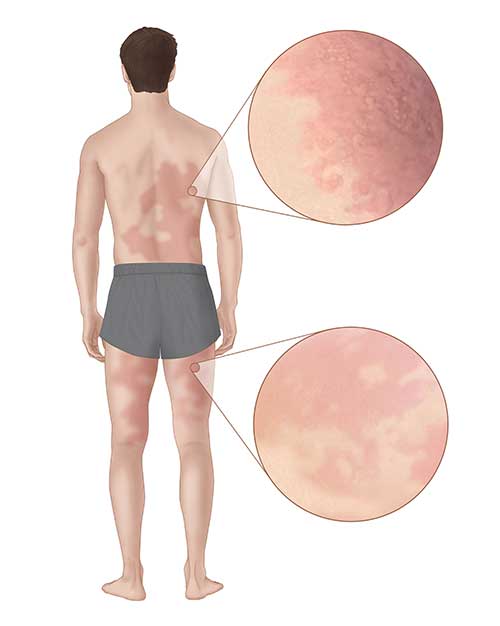
When an individual who has been sensitized to alpha-gal through tick bites consumes mammalian meat, the immune system recognizes the alpha-gal molecules as foreign invaders and launches an allergic response. This allergic reaction is characterized by symptoms like hives, itching, gastrointestinal distress, and, in severe cases, anaphylaxis, which can be life-threatening.
Symptoms and Diagnosis
One of the defining features of Alpha-Gal Syndrome is the delayed onset of symptoms. Unlike typical food allergies that produce rapid reactions, AGS symptoms may take several hours to appear after meat consumption. This unique aspect makes it challenging for affected individuals to pinpoint the cause of their allergic reactions.
The symptoms can vary in intensity, with some experiencing mild discomfort while others endure severe allergic responses. Often, AGS goes misdiagnosed or undiagnosed, leading to prolonged suffering and uncertainty for the patients.
Diagnosing Alpha-Gal Syndrome involves conducting blood tests to measure the levels of alpha-gal antibodies. Medical professionals may also perform oral food challenges to confirm the allergic response to mammalian meat. A thorough medical history, including a detailed account of tick exposure, is crucial for an accurate diagnosis.
Management and Prevention
Currently, there is no cure for Alpha-Gal Syndrome, and the primary method of managing the condition is strict avoidance of mammalian meat and meat by-products. This includes not only beef, pork, and lamb but also items like gelatin, which may contain alpha-gal. Individuals with AGS must carefully read food labels, inquire about ingredients while dining out, and be cautious about cross-contamination in food preparation.
It is also essential for those at risk of AGS to take preventive measures against tick bites. Wearing protective clothing, using tick repellents, and avoiding wooded or grassy areas where ticks are prevalent can significantly reduce the chances of acquiring the syndrome.
Ongoing Research and Public Awareness
Given the increasing prevalence of Alpha-Gal Syndrome in the US, there has been a growing interest in research to understand the mechanisms underlying the allergy and explore potential treatment options. Scientists are investigating various aspects, including the relationship between tick species, geographical distribution, and allergic response patterns. Additionally, studies are being conducted to develop immunotherapy treatments that could desensitize individuals to alpha-gal, providing hope for long-term management of the condition.
Public awareness campaigns have played a vital role in spreading information about AGS and the preventive measures that individuals can take. These efforts aim to educate both the public and healthcare professionals about the syndrome's unique characteristics and help facilitate early diagnosis and proper management.
Conclusion
Alpha-Gal Syndrome has emerged as a significant health concern, affecting a considerable number of people in the United States. This mysterious meat allergy, triggered by the alpha-gal sugar transmitted through Lone Star tick bites, presents with delayed allergic reactions to mammalian meat consumption. As the understanding of AGS grows, so does the importance of public awareness and ongoing research to better diagnose, manage, and potentially find a cure for this intriguing syndrome. Until then, strict avoidance of mammalian meat remains the key to mitigating allergic reactions and ensuring the well-being of those affected by Alpha-Gal Syndrome.

You must be logged in to post a comment.