

Planning the perfect safari adventure is an exercise in timing. Unlike a traditional vacation, the ideal time for an Africa Wildlife Safaris trip is dictated by nature’s rhythms—rainfall, temperature, and the epic movements of millions of animals. While Africa is a year-round destination, understanding the seasonal nuances of East and Southern Africa is key to maximizing your wildlife viewing experience and ensuring your journey is everything you’ve dreamed of.
The Dry Season: The Best Time for Classic Game Viewing
For most classic game drive safaris, the dry season is widely considered the prime time to visit. In East Africa (Kenya and Tanzania) and Southern Africa (Botswana, South Africa, Zambia), this generally runs from June to October.
The logic is simple: with little to no rain, the bush thins out, making it easier to spot wildlife. Animals are forced to congregate around the dwindling permanent water sources, such as rivers and waterholes, leading to concentrated game viewing and incredible predator-prey action. This period also brings milder temperatures in some southern regions, creating comfortable conditions for morning and afternoon game drives.
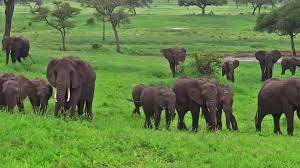
Spotlight on East Africa: The Great Migration
If your focus is the awe-inspiring Great Wildebeest Migration, your timing must be precise. This is especially true for those considering Kenya Holiday Safaris. The dry season is when the spectacle truly explodes in the Maasai Mara.
-
Kenya (July to October): This is the peak window when the massive herds of wildebeest and zebra typically cross the Mara River into Kenya from Tanzania’s Serengeti. Booking a Kenyan safari during these months puts you in the heart of the dramatic river crossings—a bucket-list moment for any traveler. Outside of the migration, January and February offer a beautiful, short dry season perfect for viewing predators and enjoying hot, sunny weather.
The Green Season: Value, Birthing, and Lush Landscapes
Don’t dismiss the wet or "Green Season," which generally runs from November to May. This period offers immense value and unique experiences. Although rain is more frequent, it often comes in short, heavy bursts, followed by clear skies.
The landscapes transform into vibrant emerald paradises, making it a photographer's dream. Furthermore, the Green Season is birthing season across the continent; seeing thousands of newborn animals wobble through the lush grass is a truly heartwarming sight.

For those venturing on a combined trip that includes Rwanda—such as the Wilderness and White Water Safari we offer—the main dry seasons (June to September and a mini-dry season from December to February) are best for the primary goal of gorilla trekking, as the forest trails are less muddy and challenging. However, the wet shoulder months can offer lower permit prices and easier access to the gorillas, which often descend to lower, warmer altitudes.
Choosing the right time for your African safari depends entirely on your priority: the thrilling action of the dry season or the value and vibrant beauty of the green season. Whether you seek the immense herds of the Migration or the quiet intimacy of a secluded waterhole, Safari Seekers can tailor the perfect itinerary based on the month you wish to travel.
Ready to find the ideal month for your adventure?
Contact us today to start planning your bespoke journey.
Contact Safari Seekers:
Email: [email protected]
Phone: 254 707 969 268

You must be logged in to post a comment.