
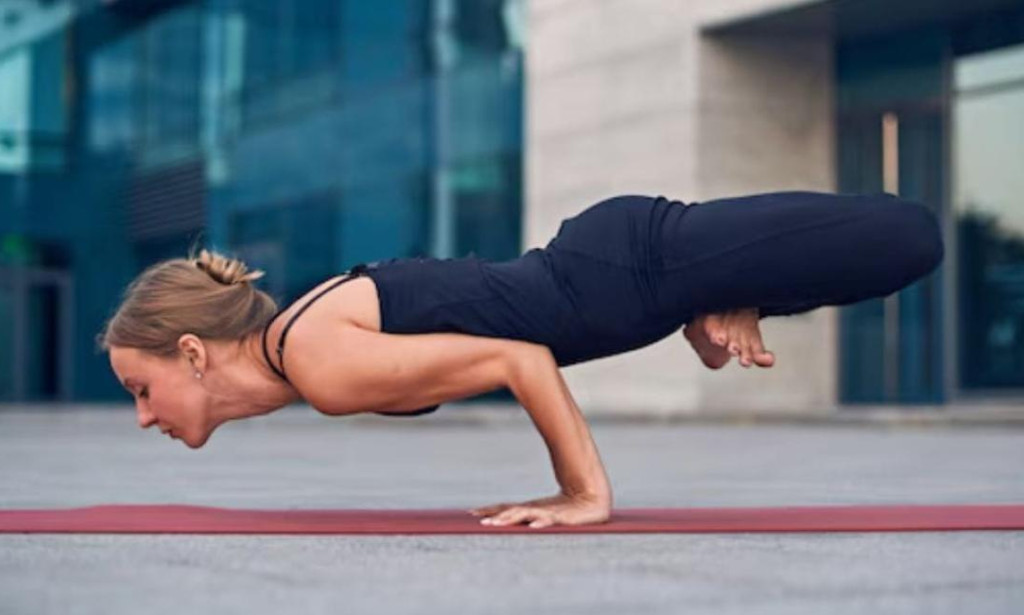
Peacock asana yoga is one of the most powerful and visually striking postures in traditional yoga practice. Known for its strength-building and detoxifying effects, this pose requires balance, focus, and control over the body. Often referred to as Mayurasana, peacock asana yoga is not just about physical ability but also about mental discipline and inner stability. Whether you are a beginner or an experienced practitioner, learning this pose can elevate your yoga journey to a new level.
What is Peacock Asana Yoga?
Peacock asana yoga is an advanced arm-balancing pose where the body is supported entirely on the hands, with elbows pressing into the abdomen. The legs are extended straight back, parallel to the ground, creating a straight and stable posture. The pose resembles a peacock with its feathers stretched out, which is how it gets its name.
This asana has been practiced for centuries and is known for its ability to stimulate digestion and purify the body. It demands a strong core, flexible wrists, and steady concentration, making it both a physical and mental challenge.
Benefits of Peacock Asana Yoga
Practicing peacock asana yoga regularly offers a wide range of benefits for both the body and mind:
1. Improves Digestion
One of the most well-known benefits of peacock asana yoga is its positive impact on digestion. The pressure applied on the abdomen helps stimulate digestive organs, improving metabolism and reducing issues like bloating and constipation.
2. Strengthens Upper Body
This pose builds strength in the wrists, arms, shoulders, and chest. Since the entire body weight is supported by the hands, it enhances muscular endurance and stability.
3. Enhances Core Strength
Maintaining balance in peacock asana yoga requires strong abdominal muscles. Regular practice helps tone the core and improve overall body control.
4. Detoxifies the Body
Peacock asana yoga is believed to help detoxify the body by stimulating internal organs and improving blood circulation. It supports liver and kidney function, aiding in natural cleansing.
5. Boosts Confidence and Focus
Balancing the body in such a challenging pose requires concentration and determination. Over time, this improves mental clarity and builds self-confidence.
How to Practice Peacock Asana Yoga
Before attempting peacock asana yoga, it is important to warm up your body, especially the wrists, shoulders, and core. Follow these steps to practice the pose:
Step 1: Start in a Kneeling Position
Sit on your heels and keep your knees slightly apart. Place your hands on the floor in front of you with fingers pointing toward your body.
Step 2: Position the Elbows
Bend your elbows and press them firmly into your abdomen, near the navel. This is the key to maintaining balance.
Step 3: Shift Your Weight Forward
Slowly lean forward, transferring your body weight onto your hands. Keep your gaze slightly ahead to maintain balance.
Step 4: Lift Your Legs
Gently lift your legs off the ground and extend them straight behind you. Keep your body parallel to the floor.
Step 5: Hold the Pose
Maintain the position for a few seconds while breathing steadily. Gradually increase the duration as your strength improves.
Step 6: Release Gently
Slowly lower your legs back to the ground and return to a relaxed position.
Tips for Beginners
Peacock asana yoga can be challenging at first, but with patience and consistent practice, it becomes achievable. Here are some useful tips:
-
Start by practicing wrist-strengthening exercises to build a strong foundation.
-
Use a soft surface or yoga mat to avoid discomfort.
-
Practice with bent knees initially if lifting both legs feels difficult.
-
Focus on engaging your core muscles for better balance.
-
Avoid rushing into the pose—progress gradually.
Common Mistakes to Avoid
While practicing peacock asana yoga, beginners often make certain mistakes that can affect their progress or cause injury:
-
Incorrect Elbow Placement: If the elbows are not properly positioned on the abdomen, maintaining balance becomes difficult.
-
Lack of Core Engagement: Weak core muscles can make the pose unstable.
-
Overstraining the Wrists: Putting too much pressure on the wrists without proper preparation can lead to discomfort.
-
Holding Breath: Always maintain steady breathing to stay relaxed and focused.
Precautions and Contraindications
Peacock asana yoga is an advanced pose and should be practiced with care. Avoid this pose if you have:
-
Wrist or shoulder injuries
-
Hernia or abdominal issues
-
High blood pressure
-
Pregnancy
It is always advisable to practice under the guidance of a qualified yoga instructor, especially if you are new to this pose.
Variations of Peacock Asana Yoga
Once you become comfortable with the basic pose, you can explore different variations of peacock asana yoga:
1. Hamsasana (Swan Pose)
A beginner-friendly variation where the legs remain on the ground while the upper body is lifted.
2. Padma Mayurasana
In this variation, the legs are folded into a lotus position while balancing on the hands, increasing the difficulty level.
3. One-Legged Peacock Pose
This variation involves lifting one leg at a time, helping build strength and confidence.
How to Improve Your Practice
Consistency is key when it comes to mastering peacock asana yoga. Include strengthening exercises such as plank pose, forearm balance, and core workouts in your routine. Practicing regularly will gradually improve your strength, flexibility, and balance.
Additionally, maintaining a healthy diet and proper hydration supports overall physical performance. Combining mindful breathing with your practice enhances focus and helps you stay calm while holding the pose.
Conclusion
Peacock asana yoga is a powerful and rewarding posture that offers numerous physical and mental benefits. While it may seem difficult at first, consistent practice and proper technique can help you master this pose over time. From improving digestion to building strength and boosting confidence, peacock asana yoga is a valuable addition to any yoga routine.
By approaching the pose with patience, awareness, and dedication, you can unlock its full potential and experience the deeper benefits of yoga.

You must be logged in to post a comment.