

What's The use of drones in commercial and industrial settings?
Using drones in commercial and industrial settings has become increasingly prevalent in recent years, with businesses leveraging technology to improve efficiency, reduce costs, and enhance safety. In this article, we will explore the various applications of drones in commercial and industrial settings and examine the benefits they offer.
One of the most significant benefits of using drones in commercial and industrial settings is the ability to perform dangerous or difficult tasks for humans. For example, drones can inspect infrastructure, such as bridges, dams, and wind turbines, without exposing workers to hazardous conditions. In the energy sector, drones are used to inspect oil and gas pipelines, reducing the need for workers to traverse long distances through rough terrain or hazardous environments.
Another significant benefit of using drones in commercial and industrial settings is the potential to increase efficiency and reduce costs. For example, in agriculture, drones equipped with sensors and cameras can be used to monitor crop health, identify areas of stress, and optimize fertilizer and pesticide application. This reduces the need for manual inspection, which can be time-consuming and costly. In the construction industry, drones can be used to create 3D models of job sites, track progress, and monitor worker safety.
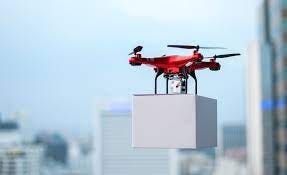
Drones are also increasingly used in logistics and transportation to improve delivery times and reduce costs. For example, Amazon is currently testing drone delivery services, which could significantly reduce the time and cost of last-mile delivery. Similarly, in the mining industry, drones can be used to transport materials and equipment between locations, reducing the need for heavy machinery and vehicles.
However, the use of drones in commercial and industrial settings is not without its challenges. One significant issue is the need for regulatory compliance. In many countries, commercial drone operations are subject to strict regulations regarding flight altitude, flight paths, and required certifications. Failure to comply with these regulations can result in fines, legal action, or the revocation of operating licenses.
Another challenge is the need for data security and privacy. Drones equipped with cameras and sensors can collect vast amounts of data, including sensitive information about individuals and organizations. Ensuring that this data is collected and stored securely and that it is used only for the intended purpose, is essential to avoid potential legal and ethical issues.
Additionally, the use of drones can raise concerns about job displacement, particularly in industries where drones can perform tasks previously done by humans. However, advocates of drone technology argue that the technology can be used to enhance worker safety and productivity, rather than replace human workers.
In conclusion, the use of drones in commercial and industrial settings offers significant benefits, including increased efficiency, cost reduction, and improved safety. However, these benefits must be balanced against the challenges of regulatory compliance, data security, and potential job displacement. As the technology continues to evolve, it is essential that policymakers, regulators, and industry stakeholders work together to develop policies and practices that ensure the safe and responsible use of drones in commercial and industrial settings.

You must be logged in to post a comment.