

World Zoonotic Day, celebrated on July 6, 2023, commemorates the historic first immunization against a zoonotic illness. This day is an important reminder of the connections between people and animals and the dangers posed by zoonotic diseases including the West Nile virus, Ebola, and influenza. These illnesses, which are brought on by viruses, parasites, bacteria, and fungi, can cause major difficulties in both people and animals and occasionally even result in death.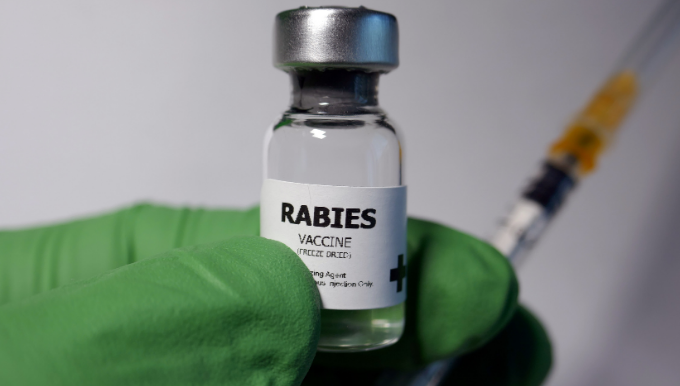
2023's World Zoonotic Day: History
The first World Zoonotic Day was observed in 1885, the year Louis Pasteur, a French scientist, created an effective rabies vaccine. On July 6, 2007, the day was formally acknowledged and honored in celebration of Louis Pasteur's 100th birthday.
Increasing public awareness of zoonotic illnesses and their effects on both human and animal health is the main objective of World Zoonotic Day.
What are zoonotic diseases?
Zoonosis, also known as zoonotic disease, is a condition that has spread from an animal source to humans either directly or indirectly through another species. Animals play a crucial part in the maintenance of zoonotic infections, which can be bacterial, viral, or parasitic in nature.
HIV-AIDS, Ebola, Lyme disease, malaria, rabies, West Nile fever, and the latest new coronavirus illness (COVID-19) are a few examples of zoonotic diseases.
About 60 percent of known infectious diseases in humans and 75 percent of all emerging infectious diseases are zoonotic, according to a new report published recently by the United Nations Environment Programme and the International Livestock Research Institute.
Reasons for Increase in Zoonotic Diseases
According to Preventing the Next Pandemic: Zoonotic Diseases and How to Break the Chain of Transmission report, seven anthropogenic driving factors led to the emergence of zoonotic diseases.
- Increased demand for animal protein;
- Rise in intense and unsustainable farming;
- The increased use and exploitation of wildlife;
- Unsustainable utilization of natural resources;
- Travel and transportation,
- changes in food supply chains, and
- The climate change crisis.
The report made ten recommendations based on the One Health approach that could aid a coordinated multi-sectoral response to future pandemics. These included:
- Raising awareness of zoonotic diseases;
- Investing in interdisciplinary approaches, including One Health;
- Expanding scientific inquiry into zoonotic diseases;
- Improving cost-benefit analyses of interventions to include full-cost accounting of societal impacts of disease;
- Strengthening monitoring and regulation practices associated with zoonotic diseases, including food systems;
- Incentivizing sustainable land management practices and developing alternatives for food security and livelihoods that do not rely on the destruction of habitats and biodiversity;
- Improving biosecurity and control, identifying key drivers of emerging diseases in animal husbandry and encouraging proven management and zoonotic disease control measures;
- Supporting the sustainable management of landscapes and seascapes that enhance sustainable co-existence of agriculture and wildlife;
- Strengthening capacities among health stakeholders in all countries; and
- Operationalizing the One Health approach in land-use and sustainable development planning, implementation, and monitoring, among other fields.
World Zoonotic Day 2023: How to Celebrate it?
Celebrating World Zoonotic Day is a powerful way to create awareness and contribute to the prevention of zoonotic diseases.
- Use social media to spread knowledge about zoonotic diseases, their prevention, and the importance of World Zoonotic Day.
- Help educate friends, family, and community members about the importance and the measures they can take to protect themselves and their pets.
- Consider making donations to organizations working tirelessly to prevent and treat zoonotic diseases worldwide.
- Check with your local health department for any events happening in your area to mark World Zoonotic Day.
- Promote the importance of hygiene, and regular hand washing, especially after handling animals. Keeping homes and pets clean is also essential.
- Consider volunteering in efforts to prevent zoonotic diseases by supporting public health initiatives.
8 Most critical Zoonotic diseases
Zoonotic influenza
This disease has caused pandemic threats to many countries previously. Among the various groups of influenza viruses, Influenza A is deadly to animals like ducks, chickens, pigs, horses, and cats. Cough, fever, sore throat, muscle aches, and respiratory distress are common symptoms of this infection. Whenever there is an outbreak of zoonotic influenza, avoid direct contact with animals. If you need to handle animal carcasses, wear gloves and wash your hands with a suitable disinfectant.

Salmonellosis
It is another common infection that can transmit to humans by consuming improperly cooked food items like tuna, turkey, and melon. According to the CDC, every year, this infection causes approximately 1.2 million illnesses, out of which 23000 patients end up with hospitalizations.
Diarrhea, fever, and abdominal cramps are the most common symptoms, and it can take four to seven days to recover from this disease completely.
West Nile Virus
It causes serious mosquito-borne diseases in America. It gets transmitted by the bite of infected mosquitoes. This infection usually starts during summer and continues until the end of the fall in the United States. Though there are no vaccines for this disease, in most of cases, it is not life-threatening. Fever is the most common symptom; using insect repellent and wearing long-sleeved dresses help you to prevent this disease./west-nile-virus-symptoms-26-5ae0a49e3de423003619ba70.png)
Plague
It gets transmitted primarily by fleas, and Yersinia pestis living on small rodents is the causal organism of this disease. It is common in the villages and semirural locations of Africa, Asia, and the United States. Scientists have detected three types of plague- bubonic, septicemic, and pneumonic. Common symptoms include fever, enlargement of lymph nodes, cough with bloody mucus, and extreme weakness. Making your house rodent-proof and keeping your pets free of flees can prevent this disease.
Severe Acute Respiratory Syndrome
Severe acute respiratory syndrome (SARS) is a highly infectious fatal disease which got first diagnosed in China in November 2002. A strain of coronavirus, the group which also causes common cold is the pathogen of this disease. Being a respiratory illness, it spreads through droplets while sneezing or coughing. High fever, dry cough, and respiratory distress are common symptoms.
Rabies
It is a fatal disease caused by the bite or through blood contact of the saliva of rabid animals, including stray dogs, bats, foxes, and raccoons. Common symptoms include fever, headache, nausea, excessive salivation, difficulty in swallowing, confusion, hyperactivity, hallucinations, and partial paralysis. The disease can be prevented by vaccination of pets and getting the vaccines in case of bites by unknown animals.

Brucellosis
It is a common bacterial disease transmitted from animals to human beings by the consumption of contaminated milk, and other dairy products. Farmers and dairy workers having cuts or wounds on their bodies can also come in direct contact with Brucella bacteria through infected animals’ blood, semen, or placenta. Common symptoms of brucellosis are fever, chills, weakness, and loss of appetite. Drinking pasteurized milk and cooking meat thoroughly can prevent this disease. Dairy and slaughterhouse workers should also wear gloves while dealing with animals.

Lyme Disease
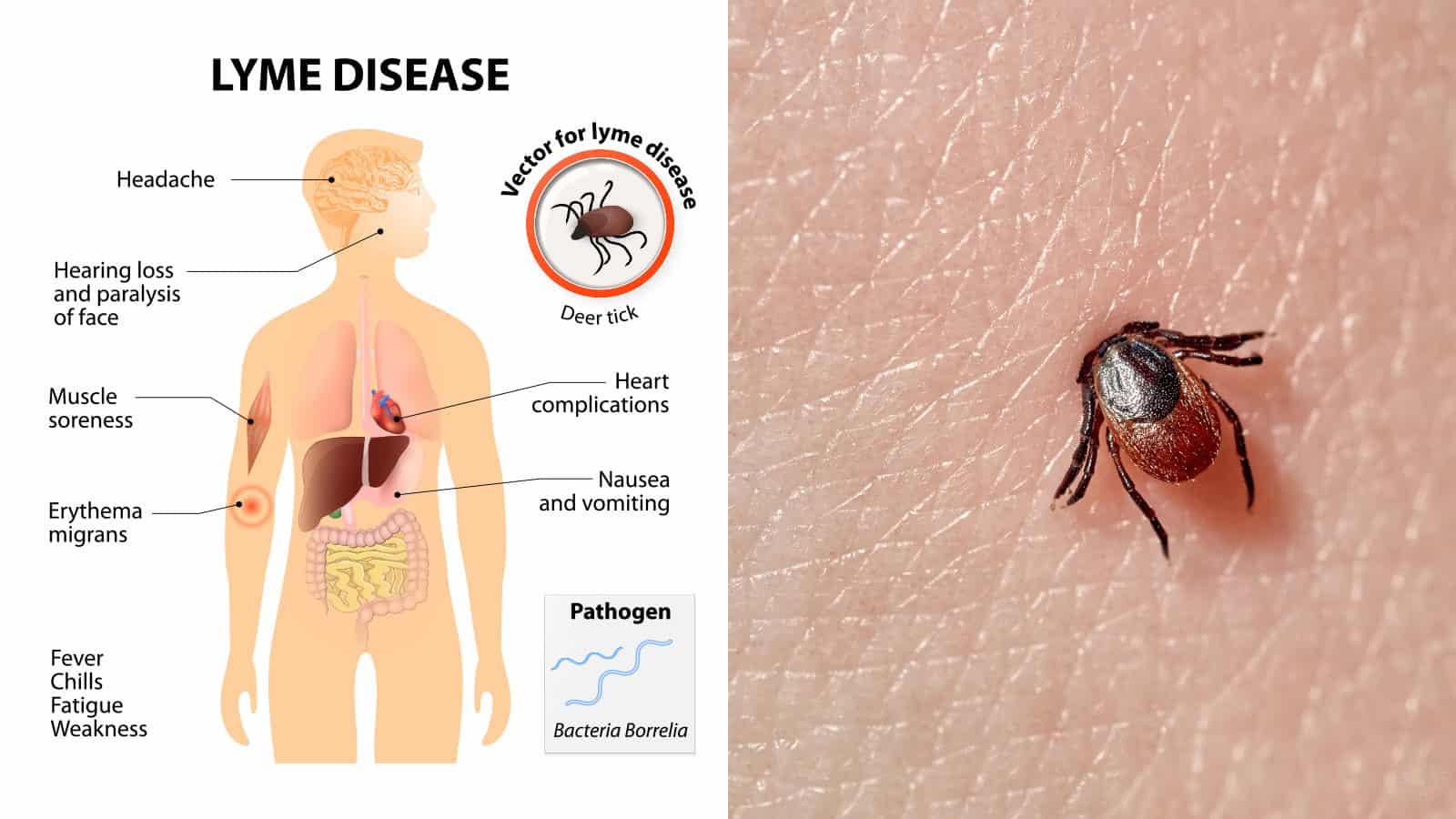
Human beings can get Lyme disease by the bite of infected black-legged ticks. Four groups of bacteria cause this infection- Borrelia burgdorferi and Borrelia mayonii in America and Borrelia afzelii and Borrelia garinii in Asia and Europe. Rashes, along with fever, chills, and body are the common symptoms. Using insect repellents and covering up the body can prevent this infection.

You must be logged in to post a comment.