
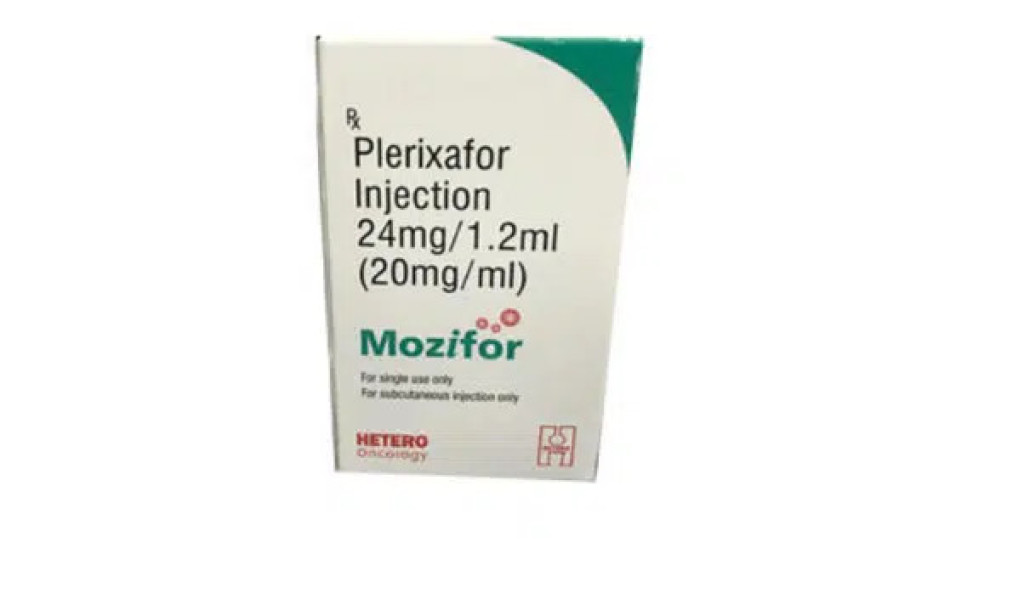
Non-Hodgkin Lymphoma (NHL) is a form of blood cancer involving the lymphatic system, which needs highly sophisticated treatment options, including stem cell transplants. In order to perform this treatment successfully, it is necessary to obtain healthy stem cells from the body of the patient. Unfortunately, it is often difficult to harvest stem cells since they cannot get into the bloodstream.
This is where Plerixafor Injection can be used. This medicine helps release stem cells from the bone marrow into the blood stream, thus facilitating their harvesting. Even though it is not a treatment option for cancer, it definitely helps in the process of cancer treatment.
What Is Plerixafor Injection?
The injection is a supportive agent employed in cancer therapy. The medicine is not a chemotherapeutic agent; rather, it is a stem cell mobilizer that promotes stem cell movement from the bone marrow to the blood for harvesting.
What Are the Main Uses of this Injection?
The Plerixafor injection uses in non -Hodgkin Lymphoma are mostly associated with collecting stem cells. This medicine is administered when:
-
Patient with NHL requires a stem cell transplant.
-
Stem cells cannot be collected through regular techniques.
-
Physicians want to enhance the effectiveness of collecting stem cells.
Unlike other medications that treat cancer, this therapy enables medical professionals to collect healthy stem cells which will be used during the transplantation process.
How Does The Medicine Work in NHL Patients?
The medicine acts on a protein called CXCR4 that acts like a cage and binds stem cells within the bone marrow. Through inhibition of this receptor protein, Plerixafor helps stem cells to mobilize from the bone marrow into the blood. This facilitates the easy retrieval of these stem cells from the body, making the medicine an important part of the whole procedure of collecting stem cells in cancer patients.
How Is The Injection Given In The Body?
The medicine is given as an injection under the skin, usually in a hospital or clinic setting. It is normally given before the procedure for stem cell collection, which is called apheresis, in order to increase the release of the stem cells in the blood stream. Usually, the injection is taken in conjunction with G-CSF (growth factor). The correct dose and frequency of taking the injection are dependent on the patient’s medical condition and treatment program.
What Are the Benefits Of The Medicine in NHL?
-
It increases stem cell mobilization success rate.
-
Suitable for patients where the collection attempt fails initially.
-
Increases the chances of successful transplant
-
Helps in timely treatment of NHL.
What Are the Possible Side Effects?
Patients should note that like any other medical treatment, these injections may also have some side effects, such as:
-
Nausea
-
Diarrhea
-
Injection site pain or redness
-
Headache
-
Fatigue
What Precautions Should NHL Patients Take?
-
Inform your doctor if the patient have kidney conditions.
-
Use only when recommended during pregnancy.
-
Take only at the prescribed time.
-
Do not use without a prescription from a physician.
Conclusion
As far as Non-Hodgkin Lymphoma is concerned, where advanced treatment methods such as stem cell transplant are used, this Injection has an important supportive role to play. This is because it helps in the effective harvesting of stem cells, which in turn enhances the effectiveness of the whole procedure.
FAQs
1. Is the medicine a direct supportive treatment for NHL?
No, the injection does not directly fight the cancer. It is considered to be a supportive therapy used to prepare the body before stem cell transplant, which is a critical treatment modality in NHL.
2. When does patient receive this Injection?
It is typically administered before stem cell harvesting, sometimes together with G-CSF, in order to enhance stem cell numbers.

You must be logged in to post a comment.