

Introduction to Amplifier Classes
Amplifiers play a crucial role in the world of audio technology, enhancing and amplifying electrical signals to deliver clear and powerful sound. Within the realm of amplifiers, different classes - namely Class A, B, AB, and D - offer distinct characteristics and trade-offs. Understanding the nuances of each amplifier class is essential for audio engineers, enthusiasts, and consumers alike to make informed decisions about the optimal amplifier choice for their specific needs. This article delves into the limitations and trade-offs associated with Class A, B, AB, and D amplifiers, providing insights into their operational principles, advantages, disadvantages, and comparative analysis.
Introduction to Amplifier Classes
Definition of Amplifier Classes
When it comes to pro audio amplifiers, classes are like different flavors of ice cream - they each have their unique characteristics and trade offs. Amplifier classes define how the electronic components work together to amplify signals, affecting factors such as efficiency, distortion, and performance.
Purpose of Classifying Amplifiers
Classifying amplifiers into different classes helps us understand their operational principles and limitations. It's like organizing your closet - knowing which clothes are for formal events (Class A) or casual outings (Class D) helps you pick the right outfit for the occasion. Each class has its strengths and weaknesses, making it crucial to choose the right one for your audio needs.
Class A Amplifiers: Characteristics and Limitations
Overview of Class A Amplifiers
Class A amplifiers are like the audiophiles of the amplifier world - they aim for the highest sound quality but can be a bit high maintenance. They operate in a way that allows the output transistors to always conduct current, even when there's no signal, ensuring a smooth and continuous amplification.
Advantages of Class A Amplifiers
Class A amps excel in producing high-quality sound with minimal distortion, making them popular among audiophiles and purists. Just like a fine-tuned orchestra, these amps deliver a rich and detailed audio experience that can make your favorite music sound even better.
Limitations of Class A Amplifiers
However, this pursuit of sonic perfection comes at a cost - literally. Class A amplifiers are not the most energy-efficient bunch, as they draw a constant current even when idle, leading to heat generation and higher power consumption. It's like having a high-maintenance pet that requires constant attention and care.
Class B Amplifiers: Operational Overview and Trade-Offs
Understanding Class B Operation
Class B amplifiers are the efficiency enthusiasts of the group - they strive to minimize power wastage and keep things running smoothly. In these amps, different output transistors handle the positive and negative halves of the audio signal, working together like a tag team to amplify the sound efficiently.
Efficiency vs. Distortion in Class B Amplifiers
While Class B amps are great at conserving energy and running cool, they have a slight quirk - the potential for crossover distortion at the point where the signal transitions between the positive and negative transistors. It's like a relay race where the handoff isn't always smooth, leading to a small hiccup in the audio signal.
Class AB Amplifiers: Balancing Efficiency and Performance
Features of Class AB Amplifiers
Class AB amplifiers strike a balance between the energy-saving Class B and the quality-focused Class A. They operate by biasing the transistors slightly into conduction even when there's no signal, combining the best of both worlds for efficient power usage and good sound quality.
Advantages of Class AB Amplifiers
Class AB amps offer a sweet spot for most audio enthusiasts, providing a good mix of efficiency and sound fidelity. They're like the Goldilocks of amplifiers - not too hot like Class A or too cold like Class B, but just right in terms of power consumption and audio performance.
Performance Trade-Offs in Class AB Designs
Yet, like with any compromise, Class AB amplifiers do have their trade-offs. While they are more energy-efficient than Class A amps, they may still draw some idle current, causing a bit of heat buildup and slightly lower efficiency compared to Class B. It's like finding that perfect middle ground - you get a bit of everything, but not necessarily the best of each.
Class D Amplifiers: Efficiency vs. Distortion Trade-Offs

Technology behind Class D Amplifiers
Class D amplifiers are like the cool kids of the audio world, using pulse-width modulation to convert analog signals into digital pulses. These digital pulses are then amplified and smoothed out to replicate the original audio signal. It's like turning up the bass on your favorite song while keeping the highs crisp and clear.
Efficiency Benefits of Class D Amplifiers
One of the major perks of Class D amps is their efficiency. They don't waste energy as heat like some other amplifier classes do. It's like driving a fuel-efficient car that gets you where you need to go without guzzling gas along the way. This efficiency translates to less strain on your power source and more power available for your music.
Distortion Challenges in Class D Designs
However, all that efficiency comes with a trade-off. Class D amps can sometimes struggle with distortion, especially at higher frequencies. It's like listening to your favorite song on a scratched-up vinyl record - the music might not come through as clearly as you'd like. Designers have to work extra hard to minimize distortion and keep your audio experience top-notch.
Class H Amplifiers: Upgraded from Class AB
Class H audio amplifier is a type of amplifier used in audio systems to enhance the quality of sound output. It utilizes a unique technique to improve the efficiency of power consumption and minimize distortion in the audio signal. This innovative technology has gained popularity among audio enthusiasts for its ability to deliver high-quality sound with minimal power usage.
Class H amplifiers are designed to address the limitations of traditional Class AB amplifiers. These amplifiers use a fixed voltage supply to amplify the audio signal. However, this results in high power consumption and significant heat dissipation, which can affect the performance and lifespan of the amplifier. Class H amplifiers, on the other hand, use a dynamic voltage supply that adjusts according to the input signal level, resulting in reduced power consumption and less heat generation.
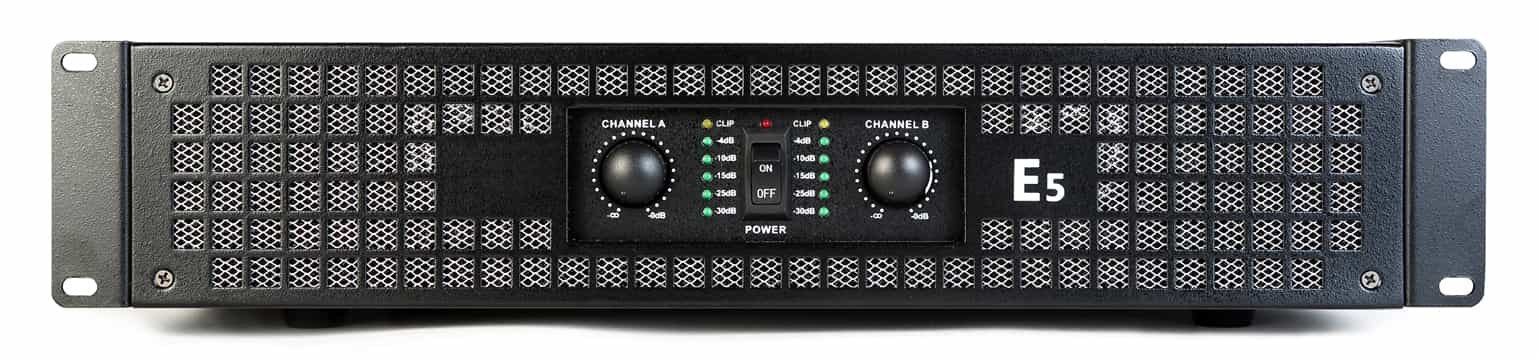
Comparative Analysis of Class A, B, AB, D, and H Amplifiers
When it comes to amplifiers, it's like choosing between different flavors of ice cream - each has its own unique characteristics and trade-offs. Class A amps are like the rich and creamy vanilla, providing top-notch sound quality but at the cost of energy efficiency. Class B amps are like the tangy raspberry sorbet, more efficient but with potential distortion issues. Class AB amps are like the classic chocolate chip, balancing efficiency and sound quality. And Class D amps are like the refreshing mint chocolate chip, offering high efficiency with some potential distortion challenges. Class H audio amplifiers use a dynamic voltage supply to reduce the power consumption and less heat generation better than other types.
Selecting the Right Amplifier Class for Your Audio Needs
Picking the right amplifier class is all about finding the perfect match for your audio setup. Are you a sound purist who prioritizes quality over everything else? Then maybe Class A is the way to go. Need something efficient for your portable speaker or car audio system? Class D could be your best bet. It's all about weighing the pros and cons, understanding the trade-offs, and finding the amplifier that ticks all the boxes for your audio needs.
As we conclude our exploration of amplifier classes, it becomes evident that each class presents unique advantages and limitations that cater to different audio requirements. Whether prioritizing efficiency, distortion levels, or overall performance, the choice of amplifier class plays a crucial role in shaping the audio experience. By understanding the trade-offs between Class A, B, AB, and D amplifiers, individuals can make informed decisions to select the amplifier class that best aligns with their specific needs and preferences. Ultimately, mastering the nuances of amplifier classes empowers both professionals and enthusiasts to elevate their audio setups and enjoy exceptional sound quality in various applications.

This is very helpful article of pro audio amplifiers for the purchasing!
You must be logged in to post a comment.