

“We never know the worth of water till the water till the well is dry”
The Earth's water is made up of 97% salt water and 3% fresh water, with slightly more than two-thirds of this frozen in glaciers and polar ice caps. Water resources are natural resources. Only a small portion of the leftover freshwater that has not frozen is located above ground or in the air; the majority is found as groundwater.
Half of the world's population experiences water scarcity at least occasionally throughout the year, and the lack of fresh water is not a future problem. Water scarcity is a persistent worldwide problem. Globally, our groundwater, rivers, and lakes are being depleted due to consumerism, global warming, and poor water management. By the middle of the century, every second nation will experience problems due to a lack of access to water. We must better control our water use if we want to solve this issue. We must find ways to reduce its consumption and repurpose it.
Scientists believe we need to go beyond the typical water sources like rainfall, snowfall, river runoff, or groundwater. This article will discuss some more water sources.
1. Iceberg towing
This subject dates to the 1977 Iceberg Conference in Lowa. In all honesty, the event was primarily a massive media show. The Alaskan iceberg chunk was ultimately broken up for martinis during a cocktail function. The excitement surrounding the subject gradually faded after the conference. There have not really been any significant advancements in the use of arctic ice as drinking water.
Entrepreneurs in South Africa and the United Arab Emirates have recently resurrected the idea. They intend to deliver ample fresh water from the northern hemisphere to places where there is a water shortage. Nearly 70% of the world's fresh water supplies are stored in ice sheets in the Arctic. Every year, thousands of kilometres of ice break off as icebergs and melt into the ocean, wasting precious water.
Icebergs are already being towed in terms of technology. Small pieces are being removed from drilling rigs by ships from the oil and gas industry. However, something far larger is required to supply freshwater to a city like Cape Town for about ten weeks. 2011 computer stimulations demonstrate that it is theoretically possible. There are still many gaps between theoretical concepts and actuality.

2. Capturing Fog
Let us consider something airier, something that is essentially everywhere, like air!
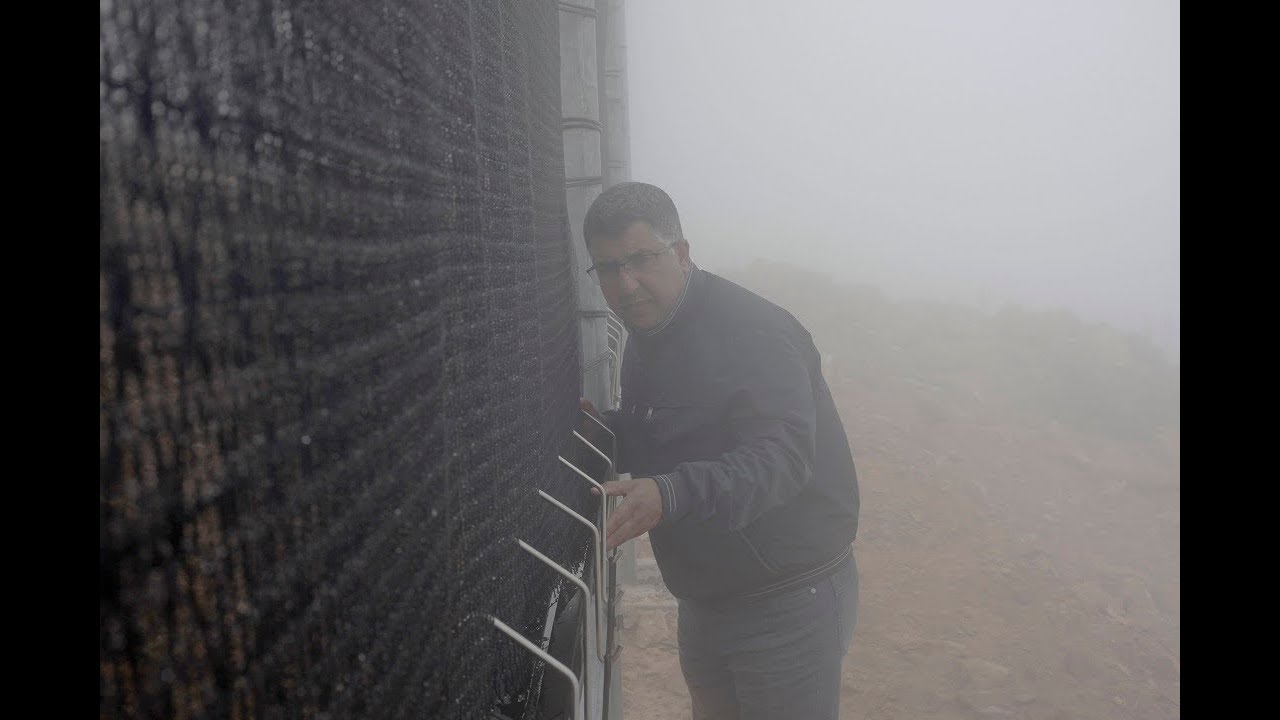
You are aware of how tiny droplets cover everything in the morning. It is definitely fog or clouds. When the air cools, the humidity condenses into liquid. This typically occurs in nature during the evening and night, when the temperature decreases. It's feasible to profit from this occurrence and gather this humidity. For e.g: There is relatively little rain in Morocco's semi-arid baamrane region, yet for six months there is a heavy fog that blankets the area. The largest fog harvesting facility in the world, this fog travels over 1700 square metres of mesh. In the substantial subsurface deposits, the fog condenses and drips before being transferred by pipes to Peplos' house. Every day, the nets collected about 35,000 litres of water. It provides for the requirements of 1,000 people and even waters crops. Currently, large-scale fog operations are being conducted in South Africa, Chile, Morocco, Ghana, Eritrea, and Ethiopia. It has enormous potential, for instance, for a 40 square metre net that produces 200 litres daily.
3. Collecting stormwater
Stormwater collection is different from rainfall collection in that runoff is gathered from hard ground surfaces rather than rooftops. Reducing contaminants and preventing flooding from major water events that run into surface waters are two advantages of stormwater collecting. Reduced stream bank erosion, wastewater overflows, and infrastructure damage are some additional advantages.
Before it enters a canal, stormwater is typically collected locally from hard surfaces like sidewalks, streets, and parking lots. It is temporarily kept in retention ponds or tanks after being diverted. Stormwater harvesting and reuse system features vary greatly depending on the project, but most systems involve collection, storage, treatment, and delivery.

We are searching for new resources but we are wasting large amount of freshwater through leaking pipes. We lose atleast 30 of all fresh water globally, that is nearly 346 billion Liters a day!. lets stop wasting water and use it sustainably and save it for future generations.
"If thier is no water their is no life "

You must be logged in to post a comment.