
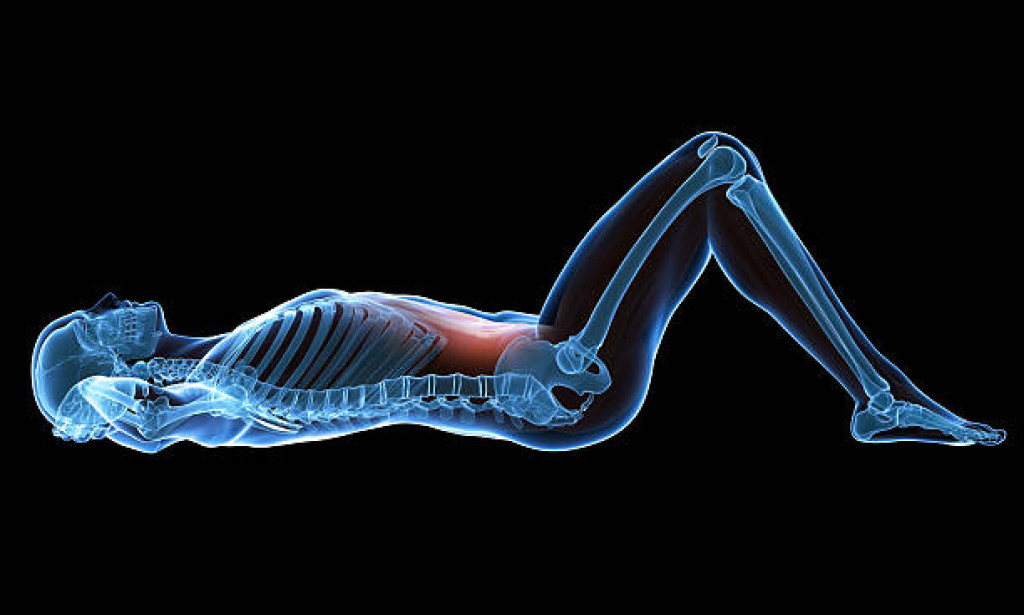
Lower back discomfort, hip tightness, and reduced mobility are common problems for people with sedentary lifestyles, physically demanding jobs, or poor posture habits. In many cases, these issues are connected to the psoas muscle, one of the most important muscles in the human body. Tightness or dysfunction in this muscle can lead to discomfort commonly associated with psoas syndrome, a condition that affects posture, movement, and spinal alignment.
Fortunately, targeted psoas muscle stretches can help reduce pain, improve flexibility, and support better movement patterns. Understanding how the psoas muscle works and how to properly care for it is essential for anyone dealing with chronic tightness, hip pain, or lower back strain.
This article explains the role of the psoas muscle, symptoms of psoas syndrome, effective stretching techniques, and practical ways to maintain long-term mobility and comfort.
What is the Psoas Muscle?
The psoas muscle, also called the iliopsoas muscle group, connects the lower spine to the upper thigh. It plays a major role in movement, posture, and stability.
This muscle helps with:
-
Walking, running, and climbing stairs
-
Maintaining proper posture while sitting or standing
-
Supporting spinal alignment and hip movement
-
Stabilizing the lower back and pelvis during physical activity
Because the psoas muscle is deeply connected to the spine and hips, any tightness or imbalance can affect the entire body’s movement pattern.
Understanding Psoas Syndrome
Psoas syndrome occurs when the psoas muscle becomes tight, strained, inflamed, or overused. This condition is common among athletes, office workers, runners, and individuals who spend long hours sitting.
The condition can cause pain and stiffness that may feel similar to other lower back or hip problems, making proper diagnosis important.
Common Causes of Psoas Syndrome
Several lifestyle and physical factors may contribute to this condition.
-
Prolonged sitting and poor posture
Sitting for extended periods shortens the psoas muscle over time, leading to tightness, reduced flexibility, and postural imbalance. -
Overuse during physical activity
Repetitive movements such as running, cycling, or intense workouts can strain the muscle and create inflammation around the hip and lower spine. -
Weak core muscles
When surrounding muscles are weak, the psoas muscle may become overloaded while trying to stabilize the body during movement. -
Sudden injury or muscle strain
Quick twisting motions, falls, or improper exercise techniques can also contribute to muscle irritation and discomfort.
Symptoms of Psoas Syndrome
The symptoms of psoas syndrome can vary depending on the severity of muscle tightness and inflammation.
Common Signs to Watch For
-
Persistent lower back pain that worsens after sitting for long periods or physical activity.
-
Tightness or discomfort in the hips, groin, or upper thigh region during movement.
-
Difficulty standing fully upright because of muscle tension and reduced flexibility.
-
Pain while walking, climbing stairs, or transitioning from sitting to standing positions.
Why Early Attention Matters
Ignoring psoas tightness can lead to posture problems, restricted movement, and increased strain on the spine and hips. Early stretching and strengthening routines can often prevent long-term discomfort.
Benefits of Psoas Muscle Stretches
Regular psoas muscle stretches can help reduce tension, improve mobility, and support overall spinal health.
Improve Flexibility and Movement
Stretching helps lengthen tight muscles and improve range of motion.
-
Better flexibility in the hips and lower back allows smoother movement during walking, exercise, and daily activities.
-
Improved mobility can also reduce strain on surrounding muscles and joints.
Reduce Lower Back and Hip Pain
Tight psoas muscles often pull on the lower spine and pelvis.
-
Stretching helps release tension and improve posture, reducing unnecessary pressure on the lower back area.
-
Many individuals experience less stiffness and discomfort after incorporating regular stretching into their routine.
Support Better Posture
A shortened psoas muscle can affect body alignment.
-
Stretching encourages proper pelvic positioning and helps individuals maintain a more natural upright posture during daily activities.
-
Improved posture may also reduce fatigue and muscle imbalance over time.
Enhance Athletic Performance
Flexible hip muscles contribute to better movement efficiency.
-
Athletes and active individuals often notice improvements in balance, stride movement, and overall flexibility through targeted stretching routines.
Effective Psoas Muscle Stretches
Consistency is important when performing stretches. Gentle and controlled movements are more effective than aggressive stretching.
Kneeling Hip Flexor Stretch
This is one of the most recommended stretches for psoas tightness.
-
Begin in a kneeling position with one foot forward and the opposite knee on the floor.
-
Slowly push the hips forward while keeping the back straight until a stretch is felt in the front of the hip.
-
Hold the position for 20 to 30 seconds and repeat on both sides.
Bridge Stretch
This stretch helps activate surrounding muscles while reducing lower back strain.
-
Lie on your back with knees bent and feet flat on the floor.
-
Slowly lift the hips upward while tightening the core and glute muscles.
-
Hold briefly before lowering back down in a controlled motion.
Child’s Pose Stretch
This yoga-based stretch helps release tension in the lower back and hips.
-
Sit back on the heels while extending the arms forward and lowering the chest toward the floor.
-
Breathe deeply while relaxing the hips and lower spine during the stretch.
Standing Lunges
Standing lunges can improve hip flexibility and lower body mobility.
-
Step one foot forward and bend the front knee while keeping the back leg extended.
-
Gently lower the hips until a comfortable stretch is felt in the hip flexor area.
Lifestyle Tips to Prevent Psoas Tightness
Stretching alone may not fully solve the problem if poor habits continue.
Helpful Prevention Strategies
-
Avoid sitting continuously for long hours and take movement breaks throughout the day to reduce muscle shortening.
-
Strengthen core and glute muscles through balanced exercises that improve posture and spinal support.
-
Use ergonomic chairs and maintain proper sitting posture during work or study routines.
-
Warm up before exercise and avoid sudden intense physical activity without preparation.
When to Seek Professional Help
While mild discomfort can often improve with stretching and posture correction, some cases may require professional evaluation.
You should consult a healthcare professional if:
-
Pain becomes severe or persistent
-
Mobility becomes significantly restricted
-
Symptoms interfere with work, exercise, or sleep
-
Stretching and home care do not provide relief after several weeks
Physiotherapists and sports rehabilitation specialists can provide personalized treatment plans for recovery and long-term prevention.
Conclusion
The psoas muscle plays a critical role in posture, movement, and spinal stability, making its health essential for everyday comfort and physical performance. Tightness or strain associated with psoas syndrome can lead to lower back pain, hip discomfort, and reduced flexibility if left untreated.
Fortunately, regular psoas muscle stretches combined with better posture, movement habits, and strengthening exercises can significantly improve mobility and reduce discomfort. Whether you are an athlete, office worker, or someone dealing with chronic tightness, caring for the psoas muscle can help support better movement and long-term physical well-being.
Experiencing hip tightness or lower back discomfort? Start incorporating safe and effective psoas muscle stretches into your daily routine and consult a qualified physiotherapist if symptoms persist. Taking early action can help improve flexibility, reduce pain, and restore comfortable movement naturally.

You must be logged in to post a comment.