
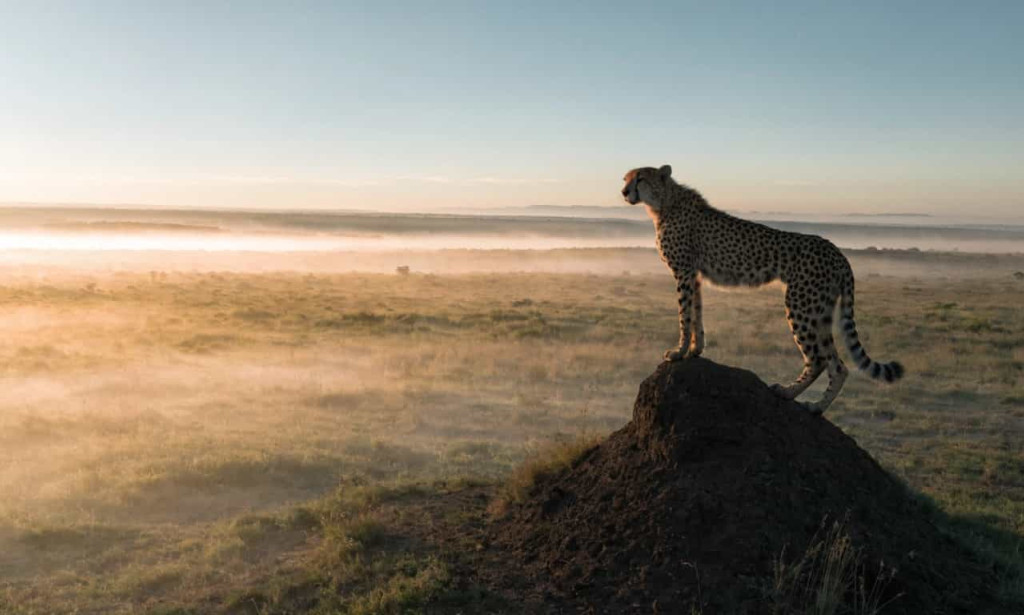
A Tanzania Safari is one of the most remarkable wildlife adventures on the planet, offering travelers a front-row seat to nature in its most authentic form. Located in Tanzania, this destination is known for its vast protected parks, diverse ecosystems, and extraordinary concentration of wildlife. It is a place where nature is not staged or controlled but allowed to unfold naturally, creating unforgettable moments at every turn.
The Real Beauty of a Tanzania Safari
What makes a Tanzania Safari so compelling is its sense of scale and freedom. Wildlife is not confined to small areas but moves across enormous landscapes that stretch beyond the horizon. This creates a dynamic environment where animals follow natural migration routes, hunt, graze, and interact without human interference shaping their behavior.
Every safari drive becomes a journey into unpredictability. A quiet stretch of savannah may suddenly reveal a pride of lions resting in the shade, or a herd of wildebeest moving cautiously across the plains while predators watch from a distance. These raw encounters define the essence of safari travel.
Serengeti: Where Nature Writes Its Greatest Story
The Serengeti remains the most iconic highlight of any Tanzania Safari. Its vast open plains form one of the oldest and most biologically rich ecosystems on Earth. The landscape seems endless, yet it is filled with constant life and movement.
The Serengeti is best known for the Great Migration, a continuous cycle where millions of wildebeest, zebras, and antelope move across the region in search of fresh grazing. This journey is shaped by rainfall and survival instincts, making it one of nature’s most dramatic spectacles.
Along the migration path, predators such as lions, leopards, and crocodiles follow closely, creating intense survival interactions. Even outside migration periods, the Serengeti remains active with resident wildlife including elephants, giraffes, cheetahs, and large prides of lions.
Ngorongoro Crater: A Natural Amphitheater of Wildlife
Another essential stop on a Tanzania Safari is the Ngorongoro Crater, a collapsed volcanic caldera that has become a thriving wildlife sanctuary. Its enclosed structure creates a self-sustaining ecosystem where animals live in close proximity year-round.
Within the crater, visitors can find a wide variety of habitats including grasslands, forests, marshes, and soda lakes. This diversity supports an impressive range of animals, from grazing herbivores to powerful predators.
What makes Ngorongoro especially unique is the high density of wildlife. It is one of the few places in Africa where travelers can spot multiple species within a short time, often within the same viewing area. The surrounding crater walls also create a dramatic visual frame, making every sighting feel cinematic.
Tarangire: Elephants and Timeless Scenery
Tarangire National Park brings a different energy to the Tanzania Safari experience. It is widely known for its large elephant herds, which are among the most impressive in East Africa.
The park is also defined by its striking baobab trees, some of which are centuries old. These massive trees dominate the landscape and give the park a unique, almost prehistoric appearance.
During the dry season, wildlife gathers around the Tarangire River, resulting in concentrated animal activity. This makes it an excellent destination for observing elephants, lions, zebras, and various antelope species in one area.
Lake Manyara: Compact but Full of Life
Lake Manyara National Park offers a smaller yet highly diverse safari environment. Despite its size, it contains multiple ecosystems including forested areas, open grasslands, and a shallow alkaline lake.
The lake itself attracts thousands of flamingos and other waterbirds, creating a vibrant and colorful natural display. The park is also famous for its rare tree-climbing lions, a behavior that continues to fascinate both researchers and travelers.
Because of its compact nature, Lake Manyara allows visitors to experience a wide range of habitats in a short time, making it an important part of a well-rounded Tanzania Safari itinerary.
Different Ways to Experience a Tanzania Safari
A Tanzania Safari can be customized based on comfort level, budget, and travel goals. Luxury safaris offer high-end lodges, private guides, and exclusive wildlife experiences designed for comfort and privacy.
Mid-range safaris provide a balanced option, combining good accommodation with well-planned game drives at a reasonable cost.
Camping safaris bring travelers closer to nature, offering nights under the stars surrounded by the sounds of the wilderness. This style is especially appealing to those seeking a more immersive and adventurous experience.
Private safaris allow full flexibility in planning, while group safaris offer shared experiences that are more budget-friendly and social.
Best Time to Visit Tanzania for Safari
The timing of a Tanzania Safari plays an important role in shaping the experience. The dry season, from June to October, is considered the best time for wildlife viewing because animals gather near limited water sources, making them easier to spot.
The green season, from November to May, transforms the landscape into lush greenery. This period is ideal for photography, birdwatching, and witnessing newborn animals. Although wildlife is more spread out, the scenery becomes especially vibrant and beautiful.
Both seasons offer unique advantages, depending on what type of experience a traveler is seeking.
Cultural Encounters and Human Connection
A Tanzania Safari is not only about wildlife but also about cultural discovery. Visits to local communities such as the Maasai offer insight into traditional lifestyles that have coexisted with wildlife for centuries.
These interactions help travelers understand the deep relationship between people and nature in rural Tanzania. It adds a meaningful human dimension to the safari experience.
Many travelers also extend their journey to Zanzibar, where the calm beaches and turquoise waters provide a peaceful contrast to the excitement of the savannah.
Conclusion
A Tanzania Safari is a journey into one of the last truly wild places on Earth. It combines vast natural landscapes, rich wildlife populations, and meaningful cultural experiences into a single unforgettable adventure.
From the sweeping plains of the Serengeti to the dramatic Ngorongoro Crater and the diverse ecosystems of Tarangire and Lake Manyara, every destination contributes something unique.
For anyone seeking adventure, natural beauty, and unforgettable wildlife encounters, a Tanzania Safari remains one of the most powerful travel experiences in the world.

You must be logged in to post a comment.