
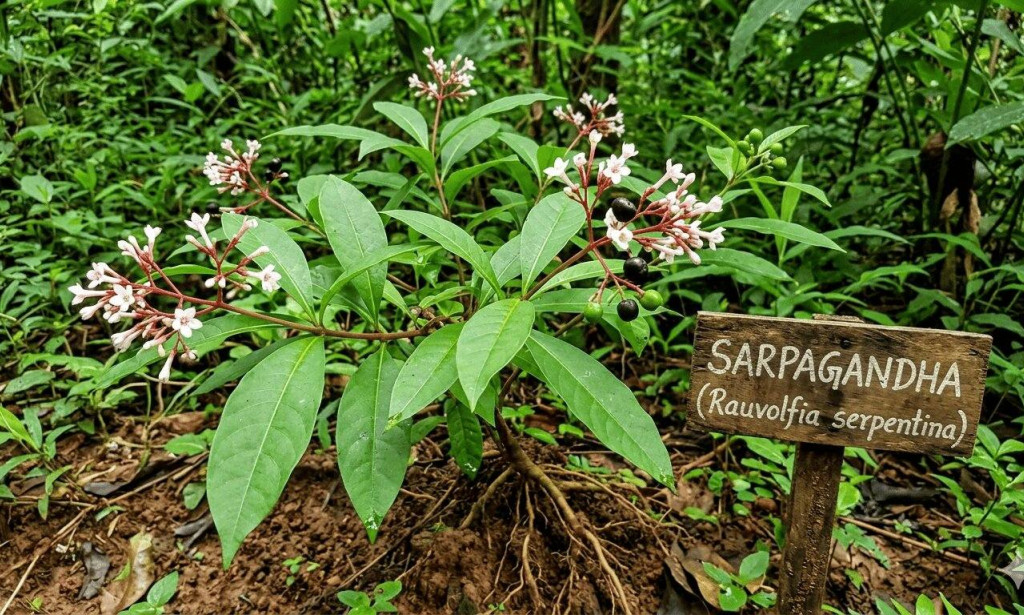
Sarpagandha is one of the most respected medicinal herbs in Ayurveda, known for its powerful calming and therapeutic properties. Scientifically known as Rauvolfia serpentina, this herb has been used for centuries in traditional Indian medicine to support mental well-being, cardiovascular health, and overall balance in the body. The name "Sarpagandha" comes from Sanskrit, where "Sarpa" means snake and "Gandha" means smell, referring to the plant's root characteristics.
Today, Sarpagandha continues to attract attention from herbal practitioners, researchers, and wellness enthusiasts because of its wide range of health benefits. Understanding this ancient herb can help people appreciate the value of traditional Ayurvedic medicine in modern healthcare.
What Is Sarpagandha?
Sarpagandha is a perennial flowering plant that belongs to the Apocynaceae family. It is commonly found in India, Nepal, Sri Lanka, and other parts of Southeast Asia. The medicinal value of the plant lies primarily in its roots, which contain several bioactive compounds known as alkaloids.
The herb has been mentioned in ancient Ayurvedic texts for its ability to calm the mind, support healthy blood pressure levels, and promote restful sleep. Due to these properties, Sarpagandha has earned a significant place in herbal medicine.
Nutritional and Medicinal Components
The therapeutic effects of Sarpagandha come from its rich concentration of alkaloids, including:
-
Reserpine
-
Ajmaline
-
Serpentine
-
Yohimbine
-
Ajmalicine
These compounds contribute to the herb's calming, antihypertensive, and neuroprotective properties. Researchers have studied these alkaloids extensively, particularly reserpine, for its impact on the nervous and cardiovascular systems.
Health Benefits of Sarpagandha
1. Supports Healthy Blood Pressure
One of the most well-known uses of Sarpagandha is its role in maintaining healthy blood pressure levels. Ayurvedic practitioners have traditionally used the herb to help regulate circulation and support cardiovascular health.
The alkaloids present in Sarpagandha help relax blood vessels and improve blood flow, making it valuable for individuals seeking natural wellness support under professional guidance.
2. Promotes Better Sleep
Sleep disturbances have become increasingly common due to stress, busy lifestyles, and excessive screen exposure. Sarpagandha possesses natural calming properties that may help relax the nervous system and support restful sleep.
In Ayurveda, it is often recommended as part of a holistic approach to managing occasional sleeplessness and restlessness.
3. Helps Manage Stress and Anxiety
Mental wellness is an important aspect of overall health. Sarpagandha is traditionally known as a natural nervine herb that supports emotional balance and relaxation.
Its calming effects may help reduce nervous tension, promote mental clarity, and support a sense of calmness when combined with healthy lifestyle practices.
4. Supports Nervous System Health
Ayurvedic medicine recognizes Sarpagandha for its beneficial effects on the nervous system. The herb may help maintain healthy nerve function and support overall neurological wellness.
Its traditional use includes supporting individuals experiencing nervous irritation, mental fatigue, and emotional imbalance.
5. May Support Heart Health
Cardiovascular wellness is closely linked to stress management and healthy circulation. By supporting healthy blood pressure and reducing nervous tension, Sarpagandha may contribute to overall heart health as part of a balanced wellness plan.
Traditional Ayurvedic Perspective
In Ayurveda, Sarpagandha is considered a powerful herb that helps balance Vata and Pitta doshas. Excessive Vata can contribute to anxiety, insomnia, and nervousness, while aggravated Pitta may lead to irritability and stress.
Ayurvedic practitioners use Sarpagandha in carefully formulated preparations to restore balance and promote physical and mental harmony. The herb is often combined with other medicinal plants to enhance its effectiveness and ensure balanced action.
Common Uses of Sarpagandha in Ayurveda
Sarpagandha has traditionally been used for:
-
Supporting healthy blood pressure management
-
Promoting restful sleep
-
Supporting mental relaxation
-
Maintaining nervous system balance
-
Encouraging emotional well-being
-
Supporting cardiovascular health
These applications demonstrate the herb's versatility and importance in Ayurvedic medicine.
How Sarpagandha Is Consumed
Sarpagandha is available in various forms, including:
Powder (Churna)
The powdered root is one of the most traditional forms used in Ayurveda. It is generally consumed according to professional Ayurvedic guidance.
Capsules and Tablets
Modern herbal supplements often contain standardized Sarpagandha extracts for convenience and consistent dosage.
Ayurvedic Formulations
Many Ayurvedic medicines include Sarpagandha as part of a comprehensive herbal blend designed for specific wellness goals.
Precautions and Safety Considerations
Although Sarpagandha has a long history of traditional use, it is a potent medicinal herb and should be used responsibly.
Important considerations include:
-
Always consult a qualified healthcare professional before use.
-
Pregnant and breastfeeding women should seek medical advice before consuming herbal supplements.
-
Individuals taking prescription medications should discuss potential interactions with their healthcare provider.
-
Avoid self-medication with high doses of herbal preparations.
Professional guidance helps ensure safe and effective use based on individual health needs.
Modern Research on Sarpagandha
Scientific interest in Sarpagandha has grown significantly over the years. Researchers have examined its alkaloid content and potential effects on cardiovascular and neurological health.
Many studies have focused on reserpine, one of the primary active compounds, due to its historical use in supporting blood pressure management. Ongoing research continues to explore the broader therapeutic potential of this remarkable Ayurvedic herb.
While scientific studies provide valuable insights, traditional Ayurvedic knowledge remains an important source of understanding regarding the herb's holistic benefits.
Why Sarpagandha Remains Relevant Today
In today's fast-paced world, stress, sleep disturbances, and cardiovascular concerns are increasingly common. As people seek natural approaches to wellness, traditional herbs like Sarpagandha continue to gain attention.
Its long history of use, combined with modern scientific interest, highlights the enduring value of Ayurvedic medicine. By integrating traditional wisdom with professional healthcare guidance, individuals can make informed decisions about their wellness journey.
Conclusion
Sarpagandha is a powerful Ayurvedic herb known for its calming effects, support for healthy blood pressure, and contribution to overall nervous system wellness. For centuries, it has been valued as a natural solution for promoting balance, relaxation, and cardiovascular health.
Sarpagandha highlights the timeless wisdom of Ayurveda in promoting mental and physical well-being. Through expert guidance and traditional Ayurvedic principles,Naturecares Ayurveda helps people discover natural approaches to achieving better health and long-term wellness
As interest in herbal wellness continues to grow, Sarpagandha remains an important example of how traditional Ayurvedic knowledge can complement modern approaches to health. When used responsibly and under professional guidance, this remarkable herb can play a valuable role in supporting overall well-being and holistic health.

You must be logged in to post a comment.