

The idea behind the process is simple. Rainwater is collected when it falls on the earth, stored and utilized at a later point. It can be purified to convert it into drinking water, used for daily applications and even utilized in large scale industries. In short, rainwater harvesting is a process or technique of collecting, filtering, storing and using rainwater for irrigation and various other purposes.
To reduce the consumption of groundwater, many people around the world are using rainwater harvesting systems. This practice has been around for thousands of years and has been growing at a rapid pace. In areas where there is excess rainfall, the surplus rainwater can be used to recharge groundwater through artificial recharge techniques.
Till today, rainwater is used as a primary source of drinking water in several rural areas. The best thing about rainwater is that it is free from pollutants as well as salts, minerals, and other natural and man-made contaminants.
In an urban setting, harvesting is usually done with the help of some infrastructure, or the simplest method for a rainwater harvesting system is storage tanks. In this, a catchment area for the water is directly linked to cisterns, tanks and reservoirs. Water can be stored here until needed or used on a daily basis.
Rainwater Harvesting (RWH) Techniques
1. Surface Runoff Harvesting

Rainwater is collected into natural reservoirs or tanks, or the infiltration of surface water into subsurface aquifers before it is lost as surface run off.
2. Rooftop Rainwater Harvesting (RRH)

Rooftop rainwater harvesting involves diverting and recharging (or) storing part of the rainwater that falls on the roof of a house. The harvested water is directed stored into a recharge pit, which collects and slowly recharges into the groundwater storage/aquifer in that area.
3. Dams

Dams are barriers that are designed to trap water. Rainwater can accumulate directly in them, or drainage systems can be created to direct water into them. This technique is mostly used for irrigation purposes or treated and then distributed for domestic use.
The way in which they are modeled can also be used to harvest a lot of water. Unlike ponds, measures are applied to reduce the amount of water draining into the ground.
4. Underground Tanks

These are constructed by digging into the ground and creating a space, which is then cemented to reduce water infiltration. The top is also sealed, and water are obtained through pipes directed into the tank. Pumps were used to get water out.
Underground tanks are wonderful for harvesting rainwater because since they are located underground where sunlight does not really penetrate, the rate of evaporation is reduced.
5. Rain Saucer

In this technique, rainwater is directly collect as it falls from the sky by using a rain-saucer. These look like upside-down umbrellas or big funnels and are usually attached to a pipe so that the collected water is directed elsewhere. Sometimes the collecting container is placed underground with only the rain-saucer above the ground. It is a simple yet effective method.
6. Water Collection Reservoirs
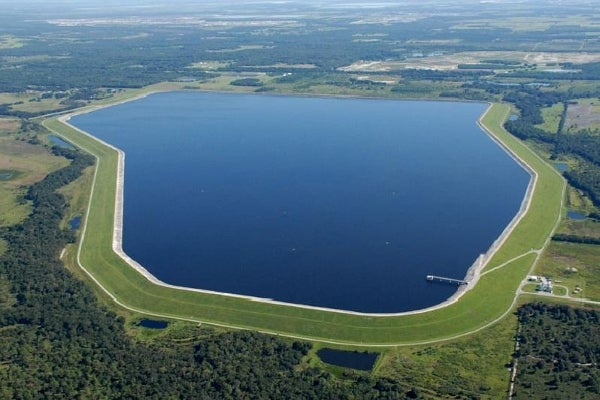
In this case, rainwater is harvested from roads and pavements. Water collected through this method is not really clean and may be contaminated. However, it can still be used for crop irrigation.
7. Barrage

A barrage is a dam that has several openings which can be closed or opened to control the quantity of water that passes through it. It is usually large and can be used to collect a lot of water.
8. Trench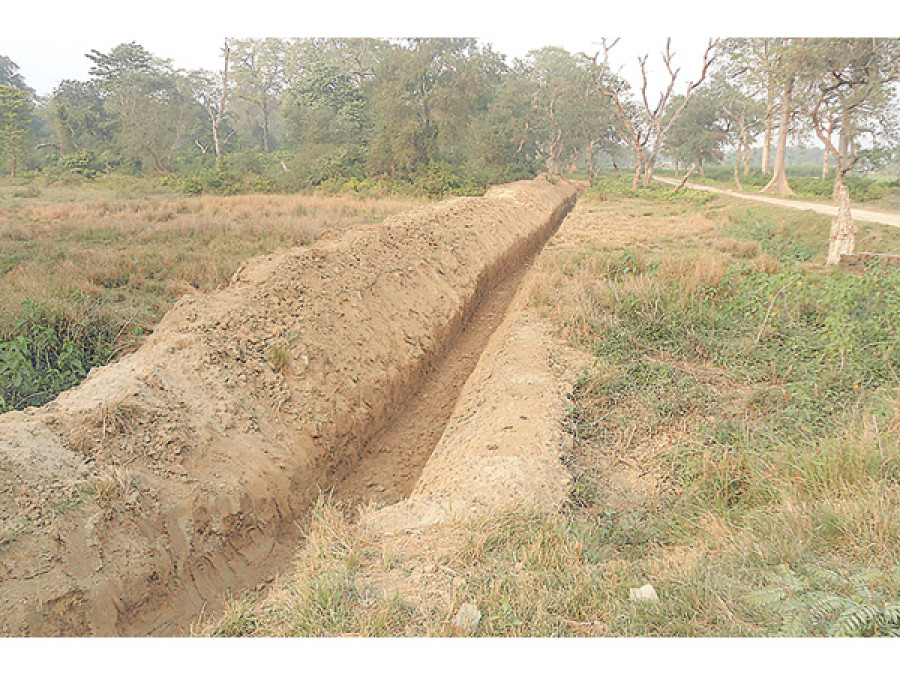
This is another traditional method to harvest rainwater for irrigation that is still very much in use today. When it rains, the water is dire
9. Rain Barrels
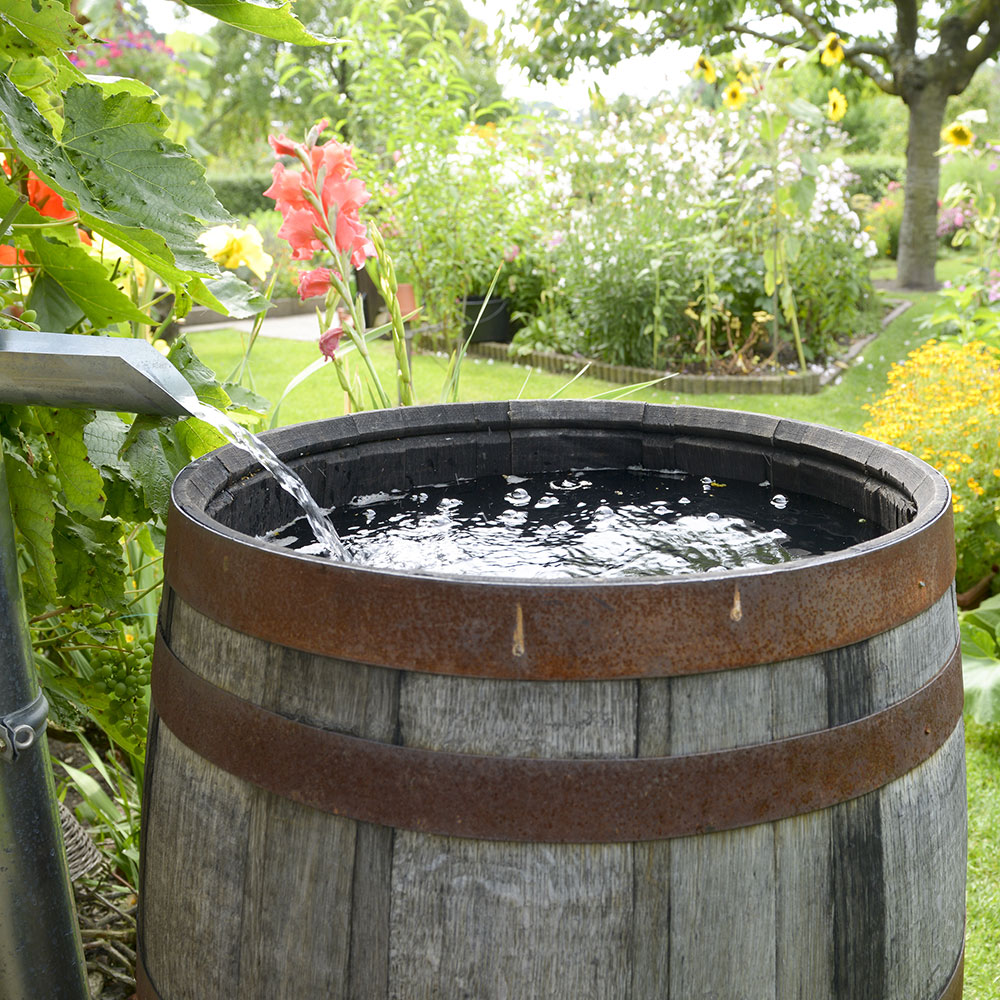
These are specifically designed for this purpose and can be purchased from retail stores. Rain barrels are used for harvesting rainwater that falls on rooftops.
Uses of Rainwater Harvesting System
- Drinking
- Cooking
- Washing vegetables
- Agricultural purposes
- Toilets (Bathing and Flushing Toilets)
- Gardens, House plants and Outdoor plants
- Lawns
- Water for pets, wildlife, livestock
- Pools and other water bodies
- Washing vehicles and equipment
- Fire protection
- Composting
Advantages of Rainwater Harvesting
1. Easy to Maintain
Utilizing the rainwater harvesting system provides certain advantages to the community. First , harvesting rainwater allows us to utilize an energy resource better. It is essential to do so since drinking water is not easily renewable, and it helps in reducing wastage. Systems for the collection of rainwater are based on simple technology.
The overall cost of their installation and operation is much lesser than that of water purifying or pumping systems. Maintenance requires little time and energy. The result is the collection of water that can be used in substantial ways, even without purification.
2. Reducing Water Bills
Water collected in the rainwater harvesting system can be put to use for several non-drinking functions as well. For many families and small businesses, this leads to a large reduction in their utility bill.
On an industrial scale, harvesting rainwater can provide the needed amounts of water for many operations to take place smoothly without having to deplete the nearby water sources.
3. Suitable for Irrigation
As a matter of fact, there is little requirement for building new infrastructure for the rainwater harvesting system. Most rooftops act as a workable catchment area, which can be linked to the harvesting system. This also lessens the impact on the environment by reducing the use of fuel-based machines.
4. Supplemental in Drought
Many countries, especially those with arid environments, use rainwater harvesting as a cheap and reliable source of clean water. When drought occurs, rainwater harvested in past months can be used.
In arid environments, ridges of soil are constructed to trap and prevent rainwater from running down hills and slopes and enhance irrigation. Even in periods of low rainfall, enough water is collected for crops to grow.
5. Reduces Floods and Soil Erosion
6. Rainwater for Drinking Purpose
Rainwater keeps the environment green and conducive to live in. Rainwater is also independent of salinity or pollutants found in groundwater. If the rainwater is properly harvested with the right sized system and equipment, it can be used for drinking purpose.
7. Several Non-drinking Purposes
Rainwater, when collected, can be used for several non-drinking functions, including cooking, bathing, flushing toilets, washing clothes and utensils, watering the garden, washing cars etc. It is unnecessary to use pure drinking water if all we need to use it for some other purpose rather than drinking.
Disadvantages of Rainwater Harvesting
1. Unpredictable Rainfall
Rainfall is hard to predict, and sometimes little, or no rainfall can limit the supply of rainwater. It is not advisable to depend on rainwater alone for all your water needs in areas where there is limited rainfall.
2. Initial High Cost
Depending on the system’s size and technology level, a rainwater harvesting system may cost anywhere between $200 to $2000 and benefit from it cannot be derived until it is ready for use. Like solar panels, the cost can be recovered in 10-15 years, which again depends on the amount of rainfall and sophistication of the system.
3. Regular Maintenance
Rainwater harvesting systems require regular maintenance as they may get prone to rodents, mosquitoes, algae growth, insects and lizards. They can become breeding grounds for many animals if they are not properly maintained.
5. Storage Limits
The collection and storage facilities may also impose some kind of restrictions as to how much rainwater you can use. During the heavy downpour, the collection systems may not be able to hold all rainwater, which ends in going to drains and rivers.
Rainwater harvesting is a system that is gaining momentum over time. Areas that experience high amounts of rainfall will benefit the most from the system and will be able to distribute water to dry lands with ease. However, the beneficial environmental impact of the system is what drives it further as of now.

You must be logged in to post a comment.