

Manga: An Exploration of Its Essence and the Conversion Process into Anime, Unveiling the Laborious Efforts Involved
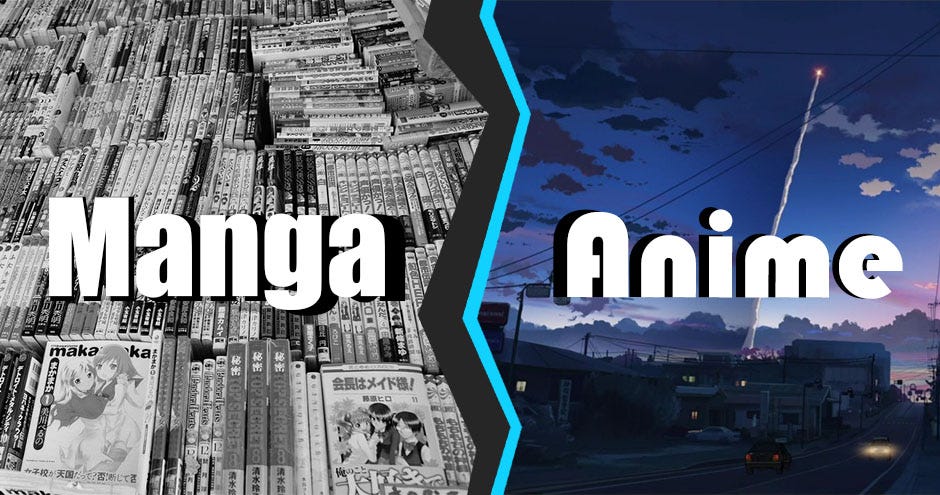
Manga, a renowned form of artistic expression originating from Japan, captivates audiences worldwide with its distinctive storytelling and captivating visuals. It is a medium that encompasses a wide range of genres, including action, romance, fantasy, and more. The term "manga" refers to both the comics and graphic novels that are created and consumed in Japan and abroad.
At its core, manga is characterized by its unique black-and-white artwork, dynamic panel layouts, and the use of various storytelling techniques. Artists, known as mangaka, pour their creativity onto the pages, utilizing intricate linework and visual symbolism to evoke emotions and immerse readers in captivating narratives. The diversity of manga is astounding, catering to readers of all ages and interests, with titles ranging from popular series like "One Piece" and "Naruto" to more niche genres like sports manga or historical dramas.
The transition from manga to anime, the animated adaptation of these beloved stories, requires an immense amount of dedication, collaboration, and technical expertise. Anime takes the essence of manga and brings it to life on screen, enabling fans to witness their favorite characters and narratives in motion.
The process of converting manga into anime begins with a meticulous selection of source material. Production studios, often collaborating with publishers or directly with mangaka, carefully choose which manga series to adapt. Popular and well-established titles are often preferred due to their existing fan base and market appeal.
Once a manga has been chosen for adaptation, a team of skilled professionals, including directors, screenwriters, animators, and voice actors, embark on the challenging journey of translating the static pages into an animated form that captivates viewers. The first step involves carefully dissecting the manga, dissecting each panel, and deciding which scenes, dialogues, and moments to include in the anime. This process requires careful consideration to ensure that the story's essence is faithfully preserved while adapting it to suit the audiovisual medium.
Storyboarding, the next crucial phase, involves creating a visual blueprint for the anime. Directors and storyboard artists outline the sequence of shots, camera angles, and character movements, ensuring a coherent and visually engaging experience. This stage allows the team to explore innovative ways to enhance the storytelling through animation, capturing the essence of the manga while adding dynamic movement and visual flair.
Following the storyboarding phase, animation production commences. Skilled animators breathe life into the characters, meticulously crafting their movements and expressions frame by frame. This process is labor-intensive and time-consuming, often involving large teams of animators working tirelessly to meet deadlines while maintaining the high quality expected by fans. The animation process also includes designing and animating the backgrounds, special effects, and other visual elements to create a cohesive and immersive world.
Simultaneously, the voice acting cast brings the characters to life through their performances. Talented voice actors embody the personalities and emotions of the manga characters, lending them distinct voices and inflections. This stage of the process adds an auditory layer to the anime, enhancing the viewer's engagement and emotional connection.
Once the animation and voice acting are complete, the final stages of production involve editing, sound design, and music composition. Editors fine-tune the pacing, ensuring smooth transitions and maintaining the narrative flow. Sound designers meticulously craft the audio effects, breathing life into actions and environments, while composers create original scores that complement and amplify the emotional impact of each scene.
The transformation of manga into anime is a labor-intensive and collaborative effort that requires the expertise and dedication of numerous professionals across various fields. It is a testament to the immense passion and commitment of the individuals involved, all striving to honor the original manga while bringing it to life in a new and captivating form.
In conclusion, manga serves as the wellspring of inspiration for anime, delivering rich narratives and captivating artwork that captivate fans worldwide. The process of converting manga into anime involves a careful selection of source material, followed by an intricate production process that encompasses storyboarding, animation, voice acting, and post-production. The resulting anime serves as a testament to the hard work, creativity, and collaboration of the talented individuals who strive to bring these beloved stories to life on screen.

You must be logged in to post a comment.