
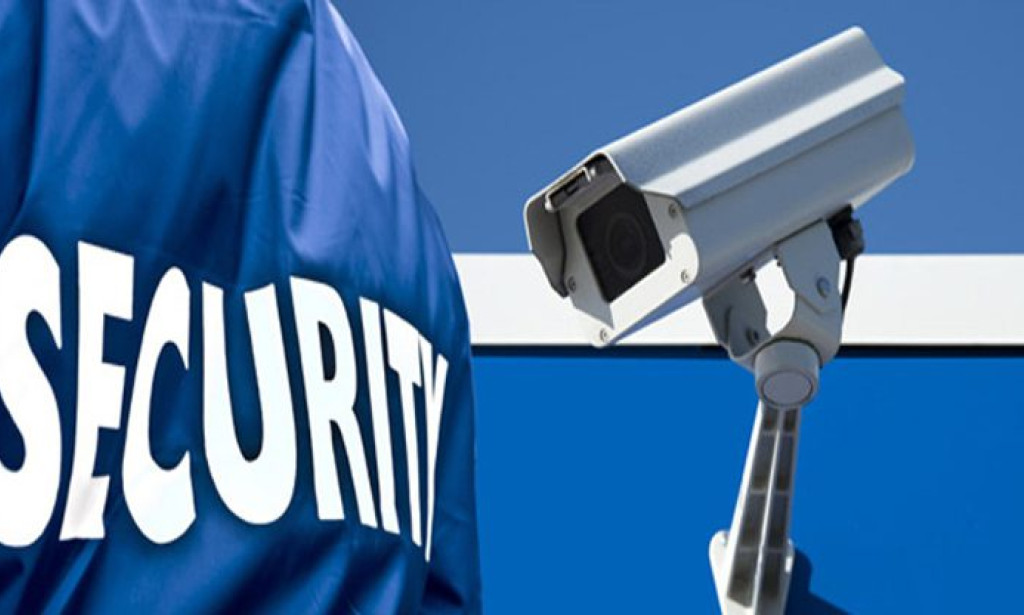
Security threats have become more sophisticated in today's business environment. From unauthorized access and vandalism to theft and workplace safety concerns, organizations face a wide range of risks that require more than a single security solution. Relying on one security measure alone often leaves vulnerabilities that criminals can exploit.
This is where layered security becomes essential. A layered security strategy combines multiple protective measures that work together to create a stronger defense system. By integrating trained security personnel, mobile patrols, and advanced surveillance technology, businesses can significantly reduce risks while improving response times and overall protection.
In this article, we'll explore how layered security works, why it is effective, and how combining human guards, patrol services, and video monitoring creates a comprehensive security framework.
What Is Layered Security?
Layered security, often referred to as a "defense-in-depth" approach, involves using multiple security components to protect people, property, and assets. Instead of depending on a single security solution, organizations implement several layers that complement each other.
Each layer serves a unique purpose:
-
Human guards provide physical presence and immediate response.
-
Patrol units monitor large areas and identify suspicious activity.
-
Surveillance systems offer continuous observation and evidence collection.
When combined, these elements create overlapping protection that minimizes security gaps and enhances overall effectiveness.
Why Single-Layer Security Is No Longer Enough
Modern security challenges require a proactive approach. A standalone surveillance camera may record criminal activity, but it cannot physically intervene. Similarly, a guard stationed at one location cannot continuously monitor an entire property.
Businesses that rely on only one security method often face challenges such as:
-
Limited coverage
-
Slower incident response
-
Increased security blind spots
-
Reduced deterrence
-
Higher vulnerability to organized threats
Layered security addresses these shortcomings by ensuring that multiple systems work together to detect, deter, and respond to potential risks.
The Human Element: Security Guards as the First Line of Defense
One of the most important components of layered security is the presence of trained security professionals. Human guards provide capabilities that technology alone cannot replicate.
Immediate Response Capabilities
Security guards can quickly assess situations, make decisions, and take appropriate action during emergencies. Whether responding to suspicious behavior, access control issues, or safety concerns, their presence helps prevent incidents from escalating.
Visible Crime Deterrence
A uniformed guard acts as a powerful deterrent to criminals. Potential offenders are far less likely to target properties where they know trained personnel are actively monitoring activity.
Customer and Employee Support
Security personnel also contribute to a safer environment by assisting visitors, enforcing policies, and helping employees feel secure. Their presence can improve confidence among customers and staff while supporting day-to-day operations.
Mobile Patrols: Extending Security Coverage
Large commercial properties, industrial sites, residential communities, and construction projects often require broader coverage than stationary guards can provide.
This is where become a valuable layer of protection.
Enhanced Property Surveillance
Mobile patrol officers conduct scheduled and random inspections throughout a property. Their unpredictable presence helps discourage criminal activity while ensuring that all areas receive attention.
Rapid Detection of Security Risks
Patrol officers can identify issues such as:
-
Unlocked doors
-
Damaged fencing
-
Suspicious vehicles
-
Trespassing
-
Safety hazards
By identifying problems early, businesses can prevent minor issues from becoming major incidents.
Cost-Effective Security Coverage
For organizations that may not require multiple on-site guards, patrol services offer an efficient and affordable solution for maintaining security across larger areas.
Video Monitoring: Security That Never Sleeps
Technology has transformed modern security operations, and video surveillance remains one of the most effective tools available.
Today's systems go beyond simple recording. Advanced monitoring solutions provide real-time visibility and immediate threat detection.
Continuous Observation
Unlike human personnel who may be limited by location or line of sight, surveillance cameras can monitor multiple areas simultaneously around the clock.
Evidence Collection
Video footage provides valuable documentation that can assist investigations, support insurance claims, and strengthen legal proceedings when incidents occur.
Real-Time Threat Detection
Modern systems can identify unusual activity and alert security personnel immediately. Many organizations now utilize live video monitoring services to ensure that trained professionals actively watch surveillance feeds and respond quickly when suspicious activity is detected.
This combination of technology and human oversight significantly improves incident prevention and response capabilities.
How Layered Security Components Work Together
The true strength of layered security comes from integration. Each security component supports and reinforces the others.
Scenario Example
Imagine a suspicious individual entering a commercial property after business hours.
-
Surveillance cameras detect unusual movement.
-
Monitoring personnel review the footage in real time.
-
A patrol officer is dispatched to investigate.
-
On-site security personnel respond if necessary.
-
Appropriate action is taken before a crime occurs.
Without multiple layers, the threat might go unnoticed until damage has already occurred.
This coordinated approach improves:
-
Threat detection
-
Response speed
-
Situational awareness
-
Incident prevention
-
Operational efficiency
High-Risk Environments Require Additional Protection
Some industries face elevated security risks due to valuable assets, sensitive information, or increased public exposure.
Examples include:
-
Financial institutions
-
Government facilities
-
Critical infrastructure
-
High-profile events
-
Industrial operations
In these situations, organizations may supplement their layered security strategy with armed tactical security services to provide enhanced protection against higher-level threats.
These highly trained professionals are equipped to respond to complex security challenges while supporting broader risk management objectives.
Benefits of a Layered Security Strategy
Organizations that implement a comprehensive security approach experience several advantages.
Reduced Criminal Activity
Multiple security layers make properties less attractive targets for criminals.
Faster Emergency Response
Integrated systems help security teams identify and respond to threats more efficiently.
Improved Business Continuity
By preventing disruptions, businesses can maintain operations and reduce financial losses.
Greater Peace of Mind
Employees, customers, and stakeholders feel more confident knowing that comprehensive security measures are in place.
Better Return on Security Investments
Combining personnel, patrols, and technology creates a more effective solution than relying heavily on any single security resource.
Choosing the Right Layered Security Solution
Every organization has unique security requirements. Factors to consider include:
-
Property size
-
Industry risks
-
Operating hours
-
Asset value
-
Visitor traffic
-
Compliance requirements
A professional security assessment can help identify vulnerabilities and determine the most effective combination of guards, patrol services, and monitoring technology.
The goal is to build a customized security program that addresses specific threats while remaining scalable as business needs evolve.
Conclusion
Security is no longer about installing cameras or placing a guard at the front entrance. Modern threats require a more strategic and comprehensive approach. Layered security combines the strengths of human expertise, mobile patrols, and advanced surveillance systems to create a powerful defense against a wide range of risks.
By integrating these protective measures, businesses can improve threat detection, enhance response times, reduce vulnerabilities, and create safer environments for employees, customers, and assets. As security challenges continue to evolve, layered security remains one of the most effective ways to ensure long-term protection and operational resilience.

You must be logged in to post a comment.