
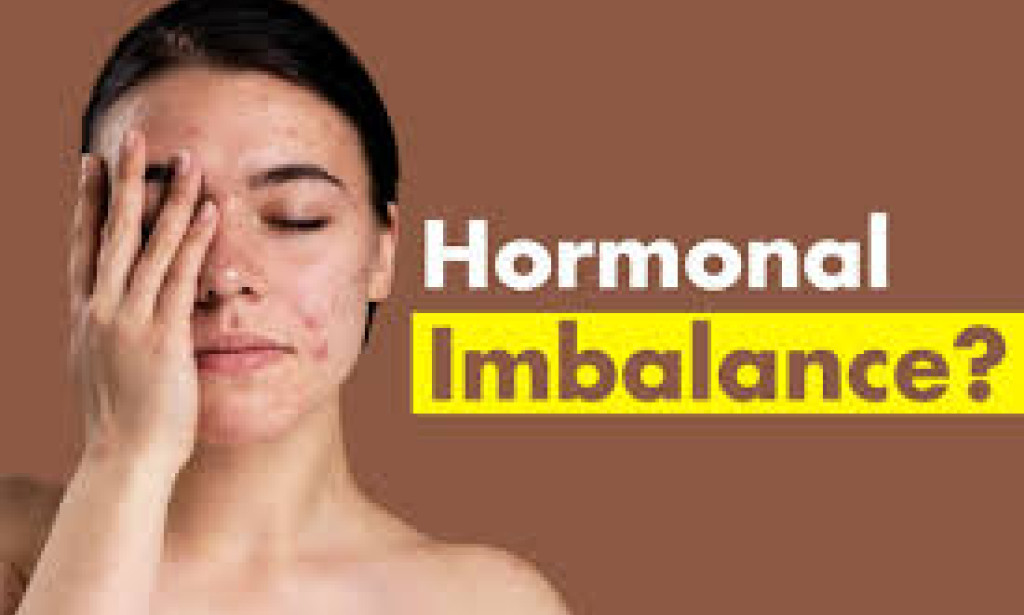
Hormonal imbalance happens when the body produces too much or too little of certain hormones. Hormones are chemical messengers made by glands in the endocrine system, and they regulate many body functions such as growth, metabolism, mood, reproduction, sleep, and energy.
Common Effects of Hormonal Imbalance
Physical Health Effects
- Weight changes — unexplained weight gain or loss
- Fatigue — feeling tired even after rest
- Skin problems — acne, dry skin, excessive sweating
- Hair changes — hair loss or excessive hair growth
- Sleep disturbances — insomnia or excessive sleepiness
- Digestive issues — constipation, diarrhea, bloating
- Muscle weakness or joint pain
- Changes in appetite or thirst
Mental and Emotional Effects
- Mood swings
- Anxiety
- Depression
- Irritability
- Difficulty concentrating (“brain fog”)
- Memory problems
Reproductive and Sexual Health Effects
In women:
- Irregular periods
- Heavy or missed menstruation
- Infertility
- Reduced libido
- Symptoms related to conditions like Polycystic Ovary Syndrome
In men:
- Low sex drive
- Erectile dysfunction
- Reduced muscle mass
- Infertility
- Enlarged breast tissue
Growth and Metabolism Problems
Hormonal imbalance involving glands like the thyroid or pancreas can lead to:
- Diabetes
- Hypothyroidism
- Hyperthyroidism
Common Causes
- Stress
- Poor diet
- Lack of sleep
- Aging (puberty, pregnancy, menopause)
- Certain medications
- Tumors or gland disorders
- Chronic illnesses
- Obesity
- Autoimmune diseases
When to See a Doctor
You should seek medical advice if symptoms are:
- Persistent or worsening
- Affecting daily life
- Associated with severe weight changes, irregular periods, fainting, or extreme fatigue
Doctors may use:
- Blood hormone tests
- Thyroid function tests
- Ultrasound or imaging
- Physical examination
Treatment Options
Treatment depends on the cause and may include:
- Lifestyle changes (diet, exercise, sleep)
- Stress management
- Hormone replacement therapy
- Medications for thyroid, insulin, or reproductive hormones
- Treatment of underlying diseases
Important Note
Many symptoms of hormonal imbalance overlap with other conditions, so proper medical diagnosis is important rather than self-diagnosing.

You must be logged in to post a comment.