
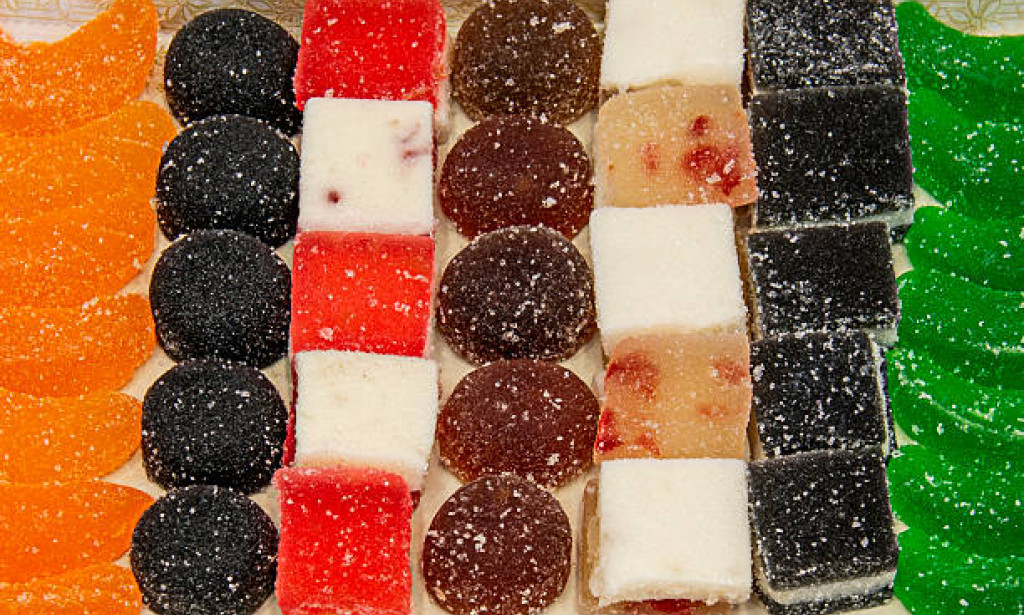
Brazil's food and beverage industry is seeing a steady shift in how color is used to shape consumer purchasing decisions, with manufacturers balancing visual appeal against rising demand for natural, label-friendly ingredients. For stakeholders tracking the Brazil food colorants market size, current figures point to a modest but steadily expanding category shaped by shifting consumer preferences, export requirements, and a gradually tightening regulatory environment.
Market Snapshot
- The Brazil food colorants market reached USD 68.9 Million in 2025, establishing this year as the base year for current market assessments.
- IMARC Group projects the market to reach USD 93.2 Million by 2034, reflecting continued expansion through the forecast period of 2026-2034.
- The market's growth rate for 2026-2034 stands at 3.41%, reflecting a mature, steadily growing segment within Brazil's broader food ingredients industry.
- Growth is being driven by the increasing influence of global food culture, a growing emphasis on sustainability, technological advancements in colorant formulation, and an emerging trend toward health-conscious consumption.
- A favorable regulatory environment, with Brazilian authorities gradually aligning local rules with international guidelines, is also supporting market development.
What Food Colorants Are and Why They Matter Commercially
Food colorants are substances used to enhance or modify the appearance of food products, playing a pivotal role in making food items visually appealing in ways that often directly influence consumer choices. These colorants are added across a wide array of products, including beverages, confectionery, baked goods, and meat, either to restore color lost during processing or to introduce an entirely new hue.
The category splits broadly into two types. Natural colorants are derived from plants, minerals, and animals, with examples like beta-carotene extracted from carrots used to impart an orange hue, and beet juice used to provide a red or pink shade. Artificial colorants, by contrast, are chemically synthesized and are generally more vibrant, stable, and cost-effective compared to their natural counterparts. Regulatory agencies closely monitor the use of both categories, assessing toxicity, allergenicity, and carcinogenicity to confirm safety for consumption, a compliance layer that shapes formulation decisions across the industry.
Key Growth Drivers
Changing Consumer Preferences Are Reshaping Demand
Changing consumer preferences represent one of the key factors driving market growth across Brazil. The country's expanding middle class is becoming more discerning in its food choices, showing a clear preference for visually appealing food products, a shift that is directly driving need for both natural and artificial colorants. The increasing influence of global food culture in Brazil, fueled by globalization and digital media, is raising interest in a variety of international cuisines that often require colorant use to achieve authentic presentation.
Health-Conscious Consumption Is a Major Growth Lever
An emerging trend toward health-conscious consumption is acting as a major growth-inducing factor for the market. Consumers are increasingly scrutinizing labels for artificial additives and are more willing to pay a premium for natural ingredients, a behavioral shift that is pushing manufacturers to expand their natural colorant offerings. This dynamic is reinforced by a growing emphasis on sustainability, which is leading to rising demand for eco-friendly colorants derived from sustainable sources, creating a positive outlook for the market across the country.
Regulatory Alignment Is Supporting Market Structure
The Government of Brazil and food safety organizations are gradually aligning local regulations with international guidelines. This has direct implications for the food colorants market, as it mandates the use of approved and safe additives, effectively raising the compliance bar for both domestic producers and importers while reinforcing consumer trust in labeled products.
Export Requirements Are Driving Formulation Standards
Brazil's food exports necessitate the use of colorants that meet international standards. The need to maintain or enhance the visual appeal of food products for exportation is a key driver, pushing domestic manufacturers to adopt formulations and quality standards compatible with the markets they export into, which in turn supports demand for higher-grade colorant solutions.
Technology Is Improving Colorant Performance
Technological advancements in food processing and colorant formulation are leading to the creation of more stable and vibrant colors that can withstand various environmental factors like heat and light. This is particularly relevant for manufacturers working with natural colorants, which have historically faced stability challenges compared to synthetic alternatives, a gap that ongoing formulation research is helping to close.
Access Deeper Insights into the Brazil Food Colorants Market Report
Market Segmentation
By Type:
- Natural
- Synthetic
Natural colorants are gaining ground as health-conscious consumption trends accelerate, supported by consumer willingness to pay a premium for products perceived as cleaner label. Synthetic colorants continue to hold commercial relevance due to their vibrancy, stability, and cost-effectiveness, particularly in applications where color consistency across large production runs is a priority.
By Application:
- Meat Products
- Bakery
- Dairy
- Beverages
- Confectionery
- Others
This application spread reflects how embedded colorants have become across Brazil's food manufacturing base. Meat products use colorants to restore color lost during processing, while bakery, dairy, confectionery, and beverage applications rely more heavily on colorants to create new, appealing hues that support brand differentiation on crowded retail shelves.
Regional Analysis
- Southeast: Represents a key regional market, benefiting from Brazil's largest concentration of food and beverage manufacturing capacity and retail distribution infrastructure.
- South: A significant contributor to market activity, supported by a strong agricultural and food processing base.
- Northeast: Covered within the report's regional segmentation, contributing to national demand for food colorant applications.
- North: Included in the regional breakdown, representing continued market development across Brazil's food and beverage sector.
- Central-West: Also covered within the report's regional segmentation, reflecting the geographic distribution of colorant demand tied to the region's agricultural production base.
Competitive Landscape
The source report confirms that a comprehensive analysis of the competitive landscape, including market structure, key player positioning, top winning strategies, competitive dashboard, and company evaluation quadrant, along with detailed profiles of all major companies, has been covered as part of the full report deliverable.
Opportunities and Growth Potential
The Brazil food colorants market presents several concrete opportunities for ingredient manufacturers, food and beverage brands, and investors:
- Natural colorant expansion, as health-conscious consumers increasingly scrutinize labels and show willingness to pay a premium for products free of artificial additives.
- Export-grade formulation development, given that Brazil's food exports require colorants meeting international standards, creating demand for manufacturers capable of producing globally compliant formulations.
- Beverage and confectionery applications, where visual appeal plays an outsized role in purchasing decisions and offers room for differentiated, premium-positioned colorant solutions.
- Sustainable and eco-friendly sourcing, aligning with the market's growing emphasis on sustainability and offering suppliers a clear differentiation angle as sustainable sourcing becomes a stronger purchasing criterion.
- Stability-focused formulation technology, particularly for natural colorants, where advancements that improve heat and light resistance can help close the performance gap with synthetic alternatives.
- Regional expansion beyond the Southeast, with South, Northeast, North, and Central-West regions offering room for distribution and manufacturing footprint growth as national demand develops.
- Regulatory-aligned product development, as Brazil's gradual alignment with international food safety guidelines creates an opening for suppliers who can help domestic manufacturers navigate evolving compliance requirements.
For ingredient manufacturers, food and beverage brands, and investors positioned to serve Brazil's evolving food colorants landscape, the combination of shifting consumer preferences, export-driven quality standards, and growing demand for natural, sustainable formulations points to a steady, multi-year growth opportunity through 2034.

You must be logged in to post a comment.