
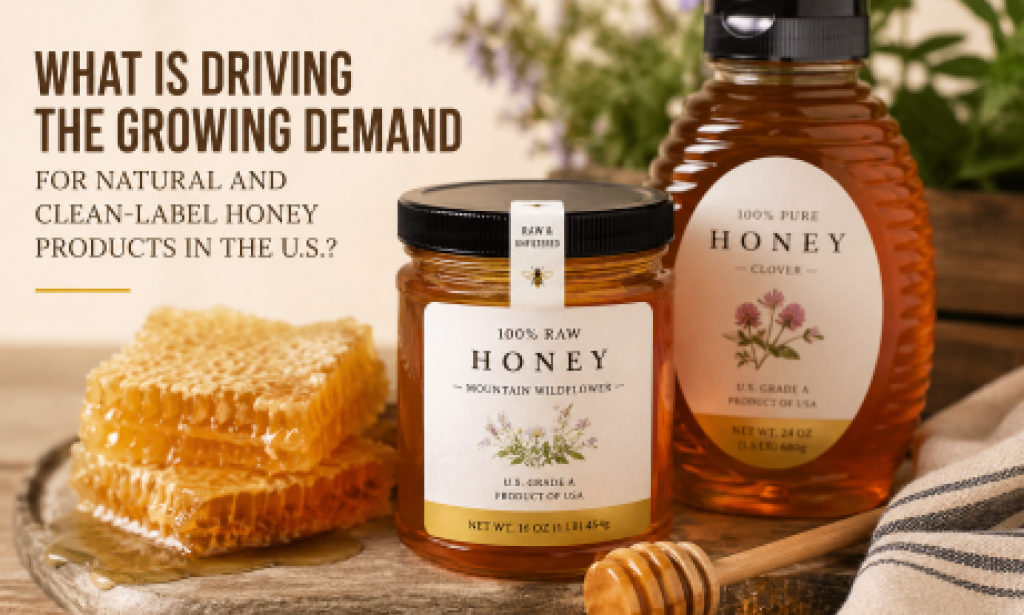
The U.S. honey market is witnessing renewed consumer interest as natural food ingredients continue to gain momentum across households, food manufacturing, and wellness-focused product categories. Honey, once viewed primarily as a traditional sweetener, is now increasingly associated with clean-label consumption, immunity support, and functional nutrition. This evolving perception is helping expand its role across beverages, bakery products, dietary supplements, and personal care applications.
According to insights published by Vyansa Intelligence, the US honey market was valued at USD 1.88 billion in 2025, establishing a commercially resilient foundation within the country's expanding natural food and premium sweetener ecosystem. Projected to advance from USD 1.98 billion in 2026 to USD 2.97 billion by 2032, the sector registers a CAGR of approximately 6.75% across the forecast horizon
Consumer Preference for Natural Sweeteners Is Accelerating Demand
One of the most important factors influencing the honey market is the broader movement away from artificial sweeteners and heavily processed sugar alternatives. Consumers are paying closer attention to ingredient labels and increasingly prioritizing products perceived as natural, recognizable, and less chemically processed.
Honey has benefited from this transition because it aligns closely with clean-label purchasing behavior. Food and beverage companies are also responding by reformulating products to include natural sweetening ingredients that resonate with health-conscious buyers.
This shift is especially visible in categories such as herbal teas, flavored yogurt, breakfast cereals, granola products, and functional beverages. Honey’s flavor profile and natural positioning make it attractive for manufacturers seeking to balance taste and wellness-oriented branding.
Wellness and Immunity Trends Continue to Influence Consumption
The growing emphasis on preventive wellness has significantly affected purchasing patterns across the U.S. food industry. Consumers are increasingly exploring ingredients associated with immunity support, digestive health, and overall well-being.
Honey has long been associated with traditional wellness practices, particularly in home remedies related to cough relief, throat care, and natural energy support. While consumer perceptions vary, the ingredient continues to maintain strong relevance in wellness-focused product positioning.
Manuka honey, raw honey, and organic honey varieties have seen increasing visibility in premium retail channels. Consumers are also showing interest in honey products that emphasize traceability, floral origin, and minimal processing.
According to the National Honey Board, honey usage has expanded across both culinary and wellness applications, reflecting broader consumer interest in natural ingredients and alternative sweeteners.
Product Innovation Is Expanding Honey’s Market Presence
Innovation in packaging, flavor combinations, and product formulations is helping honey reach a wider consumer base. Brands are introducing infused honey products featuring ingredients such as ginger, turmeric, cinnamon, lavender, and chili to appeal to consumers seeking unique flavor experiences.
Portable packaging formats are also becoming more common. Single-serve sachets, squeeze bottles, and convenient travel-sized packaging are improving accessibility for on-the-go consumption.
In addition, honey is increasingly being incorporated into sports nutrition products, snack bars, energy gels, and functional foods. Manufacturers are exploring honey’s role as a naturally sourced carbohydrate ingredient within active lifestyle product categories.
The diversification of applications is allowing honey producers to move beyond traditional retail shelf positioning and expand into premium health and specialty food segments.
Sustainability and Bee Health Are Becoming Industry Priorities
Sustainability concerns are playing a larger role in shaping conversations around honey production. Consumers are becoming more aware of the importance of bee populations in global agriculture and ecosystem stability.
Pollinator health, climate change, pesticide exposure, and habitat loss have all emerged as critical topics within the honey industry. As awareness grows, some honey producers are emphasizing sustainable beekeeping practices and transparent sourcing strategies to strengthen consumer trust.
Organizations such as the United States Department of Agriculture (USDA) continue to support research and initiatives focused on pollinator protection and agricultural sustainability. These efforts remain important for maintaining long-term honey production capacity and environmental balance.
The sustainability discussion is also influencing premium purchasing behavior. Consumers increasingly seek products that align with ethical sourcing and environmentally conscious production methods.
Imports Continue to Influence the Competitive Landscape
The U.S. honey market remains heavily influenced by imports due to domestic supply limitations and rising consumer demand. Honey sourced from countries such as India, Vietnam, Argentina, and Brazil contributes significantly to overall market availability.
While imports help stabilize supply, they also create challenges related to pricing competition, quality assurance, and product authentication. Industry stakeholders continue to focus on traceability measures and testing standards to address concerns around adulteration and labeling accuracy.
Regulatory oversight and food safety compliance therefore remain important aspects of the market environment. Consumers are increasingly paying attention to origin labeling and product transparency, particularly within premium and organic honey categories.
E-Commerce and Specialty Retail Channels Are Supporting Market Visibility
Online retail platforms have expanded access to specialty honey products across the United States. Consumers can now easily purchase regional honey varieties, organic options, and niche premium products that may not be widely available in traditional grocery stores.
Direct-to-consumer sales strategies are also helping smaller producers establish stronger brand recognition. Digital marketing, educational storytelling, and social media engagement have become important tools for highlighting product origin, sourcing practices, and flavor differentiation.
Specialty food retailers and farmers’ markets continue to play an important role as well, particularly among consumers seeking locally sourced or artisanal honey products.
Long-Term Outlook Reflects Steady Consumer Interest
The long-term outlook for the U.S. honey market reflects broader shifts in consumer behavior toward natural ingredients, wellness-oriented food choices, and sustainability awareness. Although the market faces ongoing challenges related to supply chains, bee health, and import competition, demand fundamentals remain relatively stable.
As food manufacturers continue investing in clean-label innovation and consumers maintain interest in minimally processed products, honey is expected to preserve its position as a versatile ingredient across both mainstream and premium food categories.

You must be logged in to post a comment.