

WHAT IS DEMENTIA?
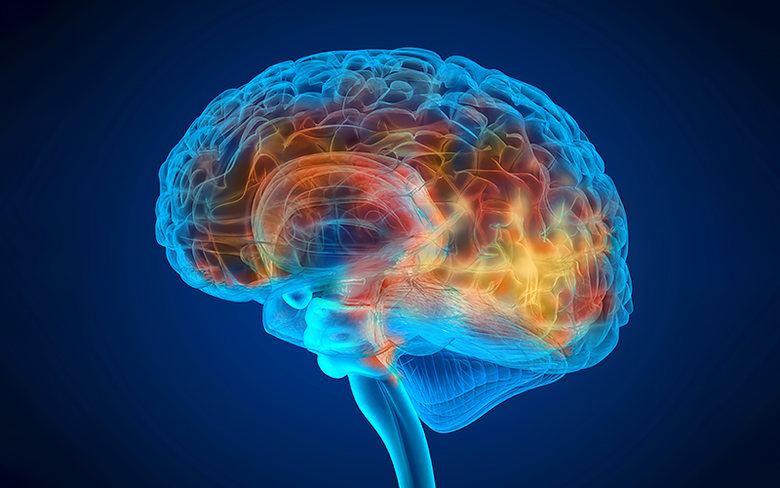
Dementia is a type of disease of the brain. It is not a single disease but a combination of diseases. It is usually related to mental retardation, low thinking ability, and other symptoms of low manipulation power of the brain.

SYMPTOMS OF DEMENTIA:
Alzheimer’s Disease is the most common cause of Dementia. Other symptoms are:
Memory loss
Difficulty in finding words while communicating
Difficulty in visual and spatial abilities
Reasoning Difficulty
Confusion, Disorientation, and weak coordination.
Depression
Anxiety
Hallucinations
Inappropriate Behaviour
Changes in every activity of the person.
TYPES OF DEMENTIA:
Based on the types of diseases observed, Dementia has been divided into 4 types:
1. VASCULAR DEMENTIA: The Dementia related to some problems in the blood vessels resulting in their choking is known as Vascular Dementia.
Its symptoms are slow thinking power and loss of focus due to less blood supply to the brain.
2. LEWY BODY DEMENTIA: In this type, clumps of protein are found in the brain due to Parkinson’s and Alzheimer’s Disease.
Its symptoms are visual hallucination, slow movement, and Parkinsonism.
3. FRONTOTEMPORAL DEMENTIA: It is due to failure in the connection between the nerve cells and their damage.
Its symptoms are visible in the judgment, thinking, and personality of the person.
4. MIXED DEMENTIA: This is caused due to increasing age of the person and is seen in people above 80 years of age.
It is the combination of all the types of Dementia mentioned above.
DISORDERS LINKED TO DEMENTIA:
i) Huntington's Disease
ii)Traumatic Brain Injury
iii) Creutzfeldt-Jakob disease
iv)Parkinson’s Disease

RISK FACTORS:
Age: The risk rises as you age, especially after age 65. However, dementia isn't a normal part of aging, and dementia can occur in younger people.
Family history: Having a family history of dementia puts you at greater risk of developing the condition. However, many people with a family history never develop symptoms, and many people without a family history do. There are tests to determine whether you have certain genetic mutations.
Down syndrome: By middle age, many people with Down syndrome develop early-onset Alzheimer's disease.
Apart from this, several risk factors can be controlled.
-
Diet and exercise
-
Excessive use of alcohol and smoking
-
Diabetes and Depression
-
Air Pollution and Head Trauma
-
Sleep Disturbances and Vitamins & Nutritional Deficiency
-
Heart Problems and Medication which loosens memory
COMPLICATIONS DURING DEMENTIA:
Many complications take place due to dementia:
-
During it people stop eating, eating as per their needs and they do not get enough nutrition. Thus they cannot chew or swallow.
-
Difficulty in food intake may result in choking and thus create lung problems.
-
They are not able to be self-dependent. They may have problems with their day-to-day tasks. For example, Bathing, Dressing, Brushing, etc.
-
They may face difficulties in their own safety during Driving, Cooking, etc
-
Dementia may also lead to the death of the person.
-
PREVENTION:
Some steps can be taken to protect against Dementia. However, its full proof curing method is not found yet:
-
Keeping our mind active
-
Not just keeping our minds active, keep ourselves active physically active
-
Quit smoking is a major way to overcome this disease
-
Getting enough vitamins by having a balanced diet
-
Manage Cardio-Vascular risk factors by doing exercise and lose weight
-
If any mental conditions like depression & anxiety are seen, consult a doctor as soon as possible
-
Get a quality rest and sleep for every day
-
Hearing problems can increase risks, so Treat hearing problems
- Scientists are trying to use AI for the diagnosis of this disease.

You must be logged in to post a comment.