

Climatology is the science that studies the climates of various parts of the world. It is concerned with description and explanation of climatic regions, spatial and temporal variations in the climate and the influence of climate on the environment of life on earth. Climate of a place can be defined as the average weather conditions prevailing there, and the average is obtained over a long period of time, say 50 years or more. The weather, on the other hand, is defined as the atmospheric conditions (temperature, pressure, precipitation, humidity, wind condition, etc.) at a place at a particular time. The climate thus pertains to an area and a long period of time, in other word, the climate of an area is fairly constant over a period of time while the weather keeps changing all the time. The Climatologists study not only the geographical distribution of climates, but also the controls of climate and the influence of climate variations on the plants and animals life in different parts of the world.
Weather refers to the sum total of the atmospheric conditions in terms of temperature, pressure, wind, moisture, cloudiness, precipitation and visibility of a particular place at any given time. In fact, weather denotes short-term variations of atmospheric condition, and it is highly variable.
On the other hand, climate is defined as aggregate weather conditions of any region in long-term perspective. According to ‘climate represents a composite of day to day weather conditions, and of the atmospheric elements, within a specified area over a long period of time.’ According to Litchfield, climate is more than a statistical average; it is the aggregate of atmospheric conditions involving heat, moisture, and air movement. Extremes must always be considered in any climatic description in addition to means, trends, and probabilities.
According to Koppel and De Long ‘climate is a summary, a composite of weather conditions over a long period of time; truly portrayed, it includes details of variations-extremes, frequencies, sequences-of the weather elements which occur from year to year, particularly in temperature and precipitation. Climate is the aggregate of the weather.’
G.F. Taylor has maintained that ‘climate is the integration of weather, and weather is the differentiation of climate. The distinction between weather and climate is, therefore, mainly one of time.’ Temperature, pressure, wind, humidity, precipitation, cloudiness etc. are elements of weather and climate.
1. Importance of Weather and Climate:
Weather and climate are the most pervasive factors of crop environment.
Knowledge of hydrometeorology is useful in several aspects of practical agriculture, as indicated below:
1. It has practical utility in timing of agricultural operations so as "to" make the best use of favorable weather conditions and make adjustments for adverse weather.
2. The dangers of crop production due to pest and disease incidence, occurrence of prolonged drought, soil erosion, frost and weather hazards can be minimized.
3. Whether support also provides guidelines for long range or seasonal planning of crops and cultivars most suited to anticipated climatic conditions.
4. hydrometeorological information can be used in land use planning, risk analysis of climatic hazards, production and harvest forecasts and linking similar crop environments for crop adaptability and productivity.
Weather Elements:
Whether is a phase of climate representing atmospheric condition at a given place and at a given instant of time as against climate, representing atmospheric condition for a longer period of time over a larger area.
Components of weather and climate or simply weather elements include:
a. Temperature.
b. Solar radiation.
c. Humidity.
d. Cloud.
e. Pressure.
f. Wind.
g. Precipitation.
The influence of weather and climate on crop growth and development and final yield is complicated by the complexity of interactions associated with crops and the environment during the crop season.
The influence of weather and climate on crop productivity can be summarized as indicated below:
Weather parameters with favorable influence:
1. Weather and climate are the important factors in determining the success or failure of agriculture.
2. All the agricultural operations from sowing to harvest of crops depend on the mercy of weather.
3. Climate determines suitability of a crop to a particular region, while weather plays a major role in the productivity of a crop in the region.
4. The excess or shortage of elements of weather and climate exerts a negative influence on crop growth, development and final yield.
5. The effect of weather and climate is complex, as elements of climate operate simultaneously in nature.
6. Due to the complexity of the environment in which a crop is grown, it is difficult to assign 'as', optimum value of a climatic element for maximum crop productivity.
1. Excessive and untimely rains.
2. Scanty rains with prolonged dry spells.
3. Heat and cold waves.
4. Dust-storms, thunderstorms and hailstorms.
5. High winds.
6. Floods.
Weather variables having both positive and negative effects on crop productivity:
1. Solar radiation (UV, light and infrared).
2. Temperature (air and soil).
3. Humidity,
4. Wind.
5. Precipitation.
2. Difference between Weather and Climate:
The differences between weather and climate are:
Weather:
1. Pertains to the day-to-day state of the atmosphere at a particular place.
2. Refers to specific instant of time and place.
3. It is always changing and differs from time to time.
Climate:
1. Pertains to the atmosphere over a given region,
2. Refers to a large region and for a long period of time.
3. It is more or less stable and differs from region to region.
3. Factors Controlling Weather and Climate:
Geographical factors influencing weather and climate are referred to as climatic controls.
They are:
a. Latitude.
b. Altitude.
c. Land and water bodies.
d. Mountains.
e. Topography.
The distance from the equator (latitude), either from south or north, largely creates variation in climate. Based on latitude, the climate has been classified as tropical, subtropical, temperate and polar climates. The height from mean sea level (altitude/elevation) adds to variation in climate.
Temperature and pressure decreases with increasing height from mean sea level. Based on altitude, the climate is described as mountainous and valley/plateau climates. Nearness to large bodies of water also causes variation in climate. The climates are referred to as continental and maritime.
Instruments for Measuring Weather Parameters:
Different instruments are used for measuring weather parameters in observatories and laboratories. Depending on the level of accuracy required and the cost, instruments are used for recording the weather data.
4. Variation in Climate and Weather:
Climatic parameters are determined, primarily, by geographic factors such as:
1. Latitude.
2. Altitude.
3. Distance from large water bodies.
4. Ocean currents.
5. Intensity of wind.
All the above climatic parameters influence the wind. Three geographic factors—altitude, latitude and longitude are important for crop production. These are embodied in Hopkins Hop kin climatic Law. It states that crop production activities (planting to harvest) and specific morphological developments are delayed by 4 days for each 1° latitude, 5° longitude and 12 m (40 ft) of altitude as one move northward and upward, respectively.
Intensity, velocity and direction of wind vary with three geographic factors leading to variation in climate and weather Geographic surface features such as large bodies of water and mountain ranges modify the wind characteristics and hence the meteorological parameters. A mountain range in the path of prevailing wind creates moist conditions on the windward side and dry conditions on the leeward side. Air cools to the dew point as it rises up the mountains.
The air that is forced upward by the mountain range loses its moisture and becomes a dry mass when it goes over the top. This is called the xerographic effect (relief effect), which is different from the usual rainfall without mountains. Topography influences weather and microclimate through variation in temperature and wind.
Water is normally warmer than the surrounding land. When wind blows over a large body of water, it picks up moisture, thus creating a more moderate leeward condition. The leeward side of the body of water is subjected to less temperature fluctuations (relatively stable weather) compared to windward side. Windward side is suitable for drought tolerant crops and leeward side for relatively drought sensitive crops. North facing and south facing slopes may differ in climate and natural vegetation. These sites differ in crops that can be grown.
World climate is not static but is subjected to changes caused by factors such as systematic changes in solar activity, sea level, atmospheric carbon dioxide and continental drift. Continental drift gradually changes the latitudinal position of the land masses and the sea level. Volcanic explosions discharge large amounts of dust and gases into the atmosphere. This may cause a decline in temperature (reverse of greenhouse effect).
Accumulation of greenhouse gases is responsible for global warming (gradual increasing trend in global average temperature, largely due to greenhouse effect). In spite of technological advances in modern crop production, crop production is still subject to the vagaries of the weather that are manifested in three main ways— moisture stress, temperature stress and natural disasters.
Geographic surface features such as large bodies of water and mountain ranges modify the wind characteristics and hence the meteorological parameters. A mountain range in the path of prevailing wind creates moist conditions on the windward side and dry conditions on the leeward side. Air cools to the dew point, as it rises up the mountains.
The air that is forced upward by the mountain range loses its moisture and becomes a dry mass when it goes over the top. This is called the xerographic effect (relief effect), which is different from the usual rainfall without mountains. Topography influences weather and microclimate through variation in temperature and wind.
Water is normally warmer than the surrounding land. When wind blows over a large body of water, it picks up moisture, thus creating a more moderate leeward condition. The leeward side of the body of water is subjected to less temperature fluctuations (relatively stable weather) compared to windward side. Windward side is suitable for drought tolerant crops and leeward side for relatively drought sensitive crops. North facing and south facing slopes may differ in climate and natural vegetation. These sites differ in crops that can be grown.
World climate is not static but is subjected to changes caused by factors such as systematic changes in solar activity, sea level, atmospheric carbon dioxide and continental drift. Continental drift gradually changes the latitudinal position of the land masses and the sea level. Volcanic explosions discharge large amounts of dust and gases into the atmosphere. This may cause a decline in temperature (reverse of greenhouse effect).
Accumulation of greenhouse gases is responsible for global warming (gradual increasing trend in global average temperature, largely due to greenhouse effect). In spite of technological advances in modern crop production, crop production is still subject to the vagaries of the weather that are manifested in three main ways— moisture stress, temperature stress and natural disasters.
The weather in your area will be different depending on where you live or work. If you’re looking for information about places "outside" of your home country, visit one of these websites:
What is the weather? Weather is the day-to-day conditions of the atmosphere. Weather is what you experience outside your home on any given day. Most places in the world have a variety of weather conditions every day of the year.
Climate, on the other hand, encompasses all of these factors in addition to longer-term conditions like temperature and seasonal patterns. Some people might think that it’s impossible to live through an entire day without experiencing weather, since most places in the world experience a variety of weather conditions every day of the year.
How does the climate of a place affect it? The climate of a place is important because it affects the environment and people living in that area. The climate might also affect how goods are grown or how other natural resources are distributed. Weather conditions can lead to weather-related events like tornadoes, hurricanes, and typhoons.
The climate of a place is also important for more than just the reasons mentioned above. It is an indicator of what type of weather patterns will occur in the future. This means that you’ll be able to make better decisions about where to live based on the long-term weather forecast. For example, if you want to live somewhere where the climate is warm during wintertime, you’ll want to look into places like Florida or California since they have warm climates year-round. If you want a place with colder winters but mild summers, then Canada might be right for you!
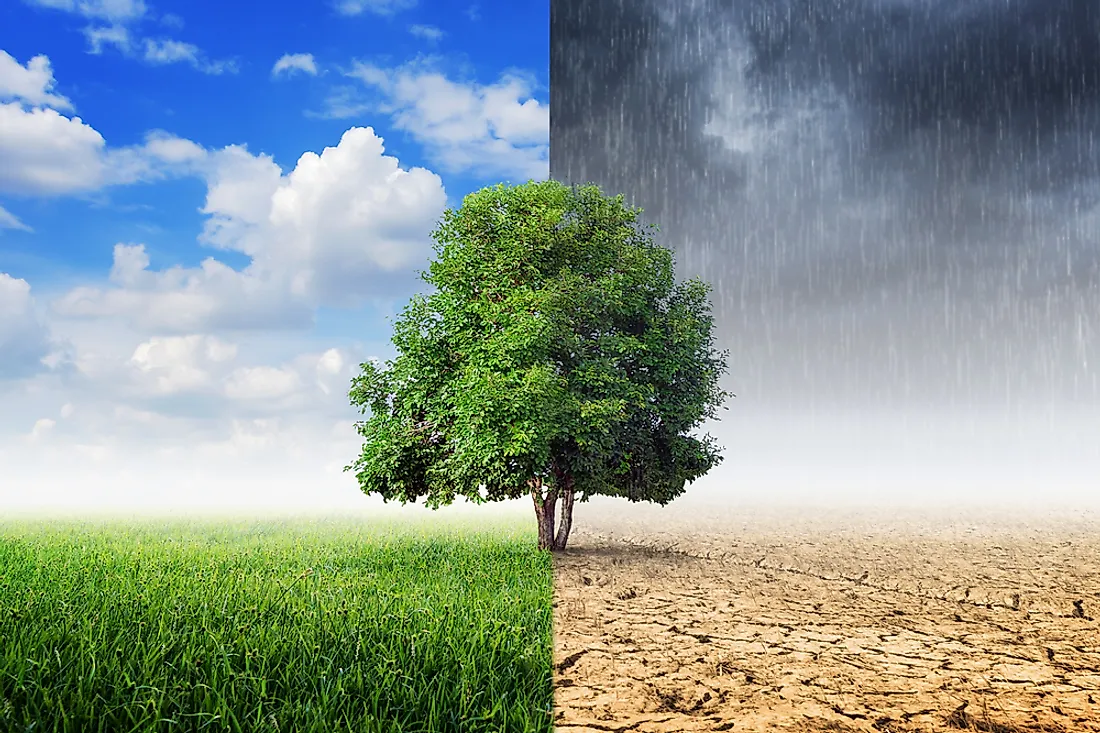
Climate change in the United States! Climate change is a significant global issue that impacts many parts of the world. It’s important to have an understanding of climate change and how it affects your local area so that you can prepare for possible changes in weather patterns and rising sea levels.
Land-based efforts to reduce emissions are not enough to counteract the effects of climate change. This is why it’s important for individuals to reduce their own carbon footprint through environmentally conscious practices like turning off lights when they leave a room or picking up trash while walking around town.
The effects of climate change on people! Climate change is a complex topic that encompasses a variety of topics. One of the most important effects of climate change on people is the effect on human health. This can be seen in some places where the amount of heat or cold that a person experiences has increased since the climate has changed. There are also many other effects like water availability and impacts on food production that are caused by changes in climate.
In recent decades, countries have been noticing some of these impacts as they have tried to adapt to changing weather patterns and establish new sources of energy. Some nations with large populations like Australia have already made major changes in their energy and agricultural industries to cope with climate changes. Here are some ways you can help reduce the impact of climate change:
– Reducing your own carbon footprint by driving less or walking more when possible
– Planting trees if you live close enough for them to grow
– Helping develop strategies for adapting to changing climates
Weather is what happens in the atmosphere, and it has a variety of effects on people. Climate change in the United States is likely to have a serious effect on people, as it could result in more extreme weather conditions in the future.

SUPER SUPER
You must be logged in to post a comment.