
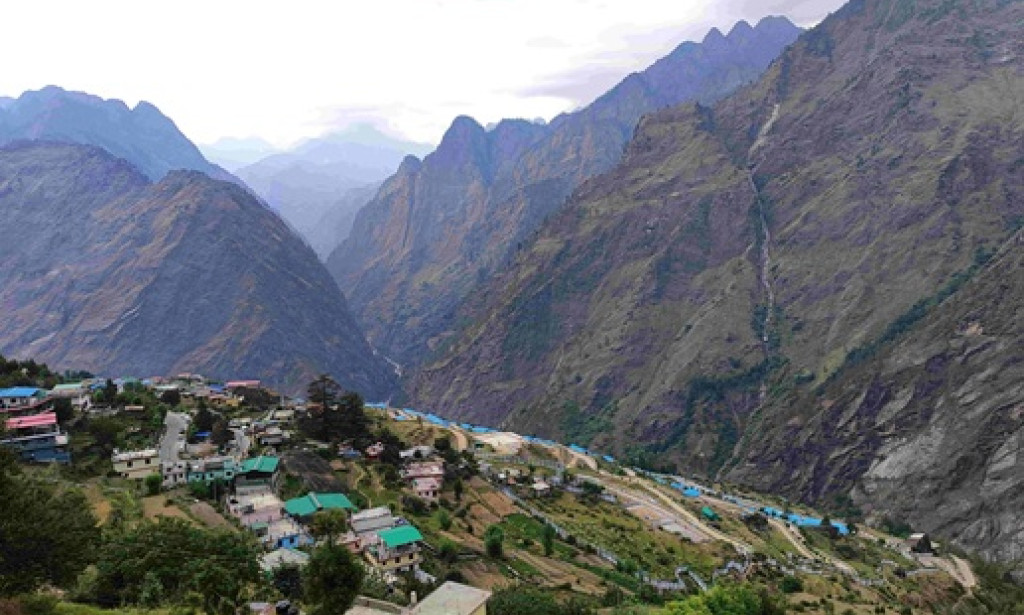
Badrinath Temple The badrinath temple india is one of those destinations that rewards every bit of effort it takes to get there and then some. Tucked into the Garhwal Himalayas of Uttarakhand at over 10,000 feet above sea level, this ancient Vishnu shrine is one of the most sacred religious sites in all of Asia and draws hundreds of thousands of pilgrims and curious travelers every year during its six-month open season. For American travelers who are considering adding this extraordinary destination to their India itinerary, the information in this guide covers everything you genuinely need to know, from the deep history and mythology of the place to the practical details of getting there, what to expect when you arrive, and how to make the most of your time in one of the world's great pilgrimage destinations.
Why Badrinath Temple India Is a Must-Visit Destination
The badrinath temple india stands apart from other religious destinations for the remarkable combination of factors that come together in one place. As one of the four Char Dham shrines it sits at the absolute pinnacle of Hindu pilgrimage significance. As one of the 108 Divya Desams of Lord Vishnu it carries significance across both the northern and southern Hindu traditions simultaneously. The natural setting, with the Nar and Narayan peaks flanking the temple valley and the Neelkanth summit visible at over 21,000 feet, is extraordinary even by Himalayan standards. The living devotional atmosphere, with pilgrims arriving from every state in India and increasingly from international destinations, creates an energy that is genuinely different from any purely tourist experience.
History and Mythology of Badrinath Temple India Explained
The badrinath temple india has roots in mythology and history that stretch back thousands of years. The central mythological narrative from the Vishnu Purana holds that Lord Vishnu performed deep meditation at this location while Goddess Lakshmi sheltered him in the form of the badri tree, giving the site and the temple their name. The Mahabharata connection is maintained through Mana Village, 3 kilometers from the temple, where the sage Vyas composed the great epic and where the Pandava heroes passed on their final journey. The documented historical turning point is Adi Shankaracharya's visit in the 8th century CE, when he retrieved the sacred idol from the Narad Kund, reinstated organized Vaishnava worship, and established the Rawal priestly tradition from Kerala that continues unbroken to the present. The temple has been damaged and rebuilt through floods and earthquakes over the centuries while maintaining the essential continuity of its worship tradition.
How to Plan Your Trip to Badrinath Temple India
Planning a trip to the badrinath temple india from the United States involves several stages. Apply for your Indian e-Visa well before your travel date through the official government portal. Book international flights to Delhi. From Delhi, take a train to Haridwar or Rishikesh and then arrange a private taxi or join an organized tour for the mountain road journey to Badrinath covering approximately 295 kilometers. Check the official opening dates for the year of your travel since these are determined annually by the Hindu calendar. Book accommodation in advance for peak season months. Get comprehensive travel insurance with emergency medical evacuation coverage before finalizing any bookings. Prepare for the altitude by planning an acclimatization night in Joshimath before ascending to Badrinath. And consider whether an organized Char Dham tour package handles the logistics more smoothly than independent planning for a first-time visit.
Best Time of Year to Visit Badrinath Temple India
The badrinath temple india is open from late April or early May through early November each year. Within this window, September and October are the most consistently recommended for the best combination of clear weather, stable road conditions, excellent mountain visibility, and manageable crowd levels. May and June offer snow-covered peak backdrops and the energy of the opening pilgrimage season but come with larger crowds and the need for very advance bookings. July and August are manageable but carry higher monsoon landslide risk on the approach roads and more consistent cloud cover. The ceremonial closing in November is worth witnessing if your dates allow. Whatever month you choose, the altitude at over 10,000 feet means warm clothing is essential throughout the season since temperatures are cool during the day and cold at night.
Top Rituals and Experiences at Badrinath Temple India
The experiences available at the badrinath temple india are rich and varied. The morning darshan when the temple opens at 7 am, ideally preceded by a ritual dip in the naturally heated Tapt Kund hot spring, is the central act of the pilgrimage. The Maha Abhishek performed by the Rawal before sunrise is the most sacred daily ritual and can be attended or sponsored by devotees who book in advance. The evening aarti ceremony is a particularly atmospheric experience with lamp light, devotional chanting, and the collective devotion of gathered pilgrims. A visit to Mana Village with its Mahabharata-associated caves and the Bheem Pul rock bridge adds historical and mythological depth. The Brahma Kapal ghat on the Alaknanda River is where ancestral rites are performed. And the walk to Vasudhara Falls on a clear day is a rewarding natural experience that completes the full picture of what the badrinath temple india region has to offer.
Where to Stay Near Badrinath Temple India Comfortably
Finding comfortable accommodation near the badrinath temple india is manageable with advance planning. The GMVN guesthouses operated by the Uttarakhand government are the most reliable budget to mid-range option with clean rooms, attached bathrooms, and simple vegetarian meals. Private hotels in Badrinath town offer various price points and levels of comfort. Religious trust dharamshalas provide very affordable accommodation for pilgrims with basic facilities. All accommodation in the town is strictly vegetarian and alcohol-free. For better amenities and more food variety, Joshimath about 45 kilometers below Badrinath is a comfortable base with a wider range of hotels, better connectivity, and more consistent electricity. The combination of staying in Joshimath and making a one or two-night stay at Badrinath itself is a popular approach among visitors who want comfort alongside the pilgrimage experience.
Essential Tips for Visiting Badrinath Temple India Safely
Book accommodation and transport arrangements well in advance for peak season months. Pack warm layers, cash in Indian Rupees, high-SPF sunscreen, and UV-blocking sunglasses as non-negotiable items. Spend an acclimatization night in Joshimath before ascending to Badrinath. Follow all temple dress and behavior rules. Get comprehensive travel insurance with emergency medical evacuation coverage before leaving home. Check road conditions before setting out each day during July and August. Build buffer days into your itinerary for flexibility. And approach the entire experience with genuine respect and patience, since the badrinath temple india is a living center of devotion for millions of people and that atmosphere deserves to be honored rather than rushed through. https://www.travelosei.com/india/spiritual/north/badrinath
FAQs
1. Is the badrinath temple india accessible year-round? No. The badrinath temple india is open for approximately six months each year from late April or early May through early November. The rest of the year the mountain roads are closed due to heavy snowfall and the idol is moved to Joshimath for winter worship. Always check the current year's opening dates before planning travel.
2. What is the significance of the black stone idol at the badrinath temple india? The idol of Lord Badrinarayan is carved from black saligrama stone, a type of sacred fossil-bearing rock considered holy in Vaishnava tradition. The idol depicts Lord Vishnu in a seated meditative posture with four arms holding his traditional attributes. It is believed to be swayambhu or self-manifested rather than carved by human hands, giving it an especially sacred status.
3. Can I combine the badrinath temple india visit with Kedarnath? Yes. Badrinath and Kedarnath are both Char Dham shrines in the Garhwal Himalayas and are commonly combined in a single pilgrimage journey. The two shrines are connected via Rudraprayag and the combined circuit typically requires 10 to 12 days minimum. Many organized packages cover both shrines together.
4. What is the Narasimha Temple in Joshimath and its connection to the badrinath temple india? The Narasimha Temple in Joshimath serves as the winter seat of Lord Badrinarayan when the badrinath temple india closes in November. The idol is ceremonially transferred to Joshimath each November and returns to Badrinath each spring in the Kapat Utsav opening ceremony. Joshimath is also the primary acclimatization stop for visitors ascending to Badrinath.
5. What are the most common mistakes first-time visitors make at the badrinath temple india? The most common mistakes include underestimating the altitude effect and not allowing proper acclimatization time, not booking accommodation in advance for peak season, arriving without sufficient cash, not wearing warm enough clothing for cold nights, attempting to photograph inside the sanctum, and packing too tight an itinerary without buffer days for the inevitable variability of mountain travel. Avoiding these mistakes makes the visit significantly more comfortable and meaningful.

You must be logged in to post a comment.