
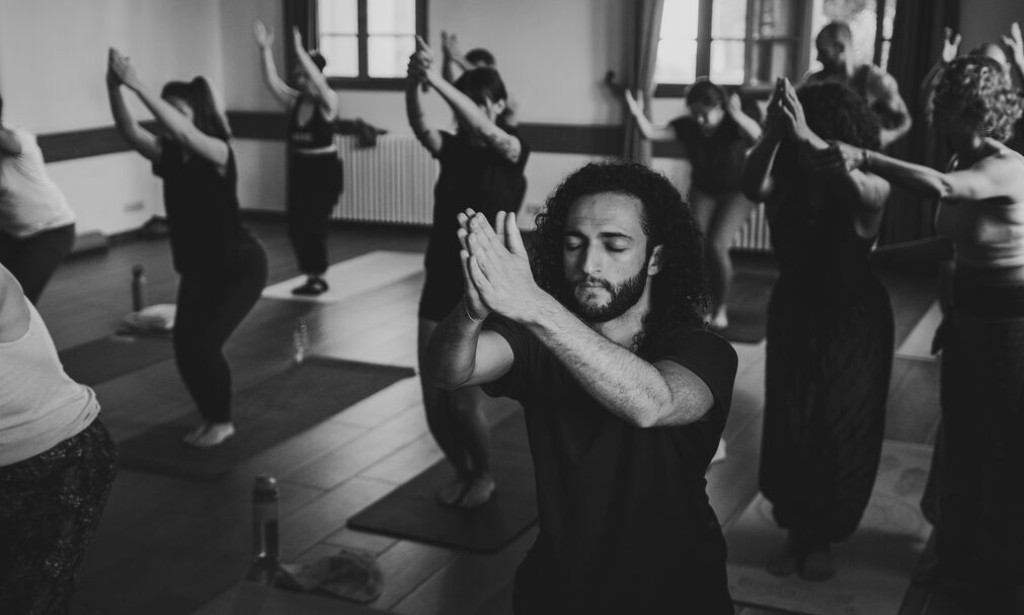
Ashtanga yoga is one of the most traditional and disciplined forms of yoga, known for its fixed sequence of postures and emphasis on breath-synchronized movement. At the core of this practice lies the concept of vinyasa, which refers to the seamless linking of breath with movement. The Ashtanga yoga vinyasa sequence creates a rhythmic flow that builds strength, flexibility, and mental focus while promoting a deep sense of inner awareness.
This blog explores the structure, components, and benefits of the Ashtanga vinyasa sequence, helping you understand how this powerful practice works.
What is Ashtanga Yoga Vinyasa?
The term Ashtanga means “eight limbs,” representing the eightfold path of yoga, which includes ethical principles, physical postures, breath control, and meditation. In this system, vinyasa refers to the method of transitioning between poses using breath.
Unlike modern vinyasa yoga, which is often creative and varied, Ashtanga follows a fixed sequence. Each posture is connected by a vinyasa flow, usually involving plank, Chaturanga Dandasana, Upward-Facing Dog, and Downward-Facing Dog. This repetition creates internal heat and enhances concentration.
The Structure of the Ashtanga Vinyasa Sequence
The Ashtanga system consists of six series, but the most widely practiced is the Primary Series, also called Yoga Chikitsa (yoga therapy). A complete session follows a structured format:
-
Opening mantra
-
Sun salutations
-
Standing sequence
-
Seated sequence
-
Finishing sequence
-
Closing mantra
Each part serves a specific purpose in preparing, strengthening, and relaxing the body.
1. Opening Mantra and Preparation
The practice begins with chanting an opening mantra. This helps center the mind, cultivate gratitude, and prepare for the physical practice. It sets a focused and intentional tone.
After chanting, practitioners take a few moments to connect with their breath, bringing awareness inward before beginning movement.
2. Sun Salutations (Surya Namaskar A & B)
Sun salutations form the foundation of the Ashtanga yoga vinyasa sequence. They warm up the body, build strength, and establish the rhythm of breath and movement.
Surya Namaskar A
This sequence includes:
-
Mountain Pose
-
Forward Fold
-
Half Lift
-
Chaturanga Dandasana
-
Upward-Facing Dog
-
Downward-Facing Dog
Surya Namaskar B
This variation adds intensity with:
-
Chair Pose
-
Warrior I
These sequences are repeated several times, generating heat and preparing the body for deeper poses.
3. Standing Sequence
The standing sequence develops strength, balance, and alignment. Each pose is connected through vinyasa transitions, maintaining a continuous flow.
Common standing poses include:
-
Padangusthasana (Big Toe Pose)
-
Trikonasana (Triangle Pose)
-
Parsvakonasana (Side Angle Pose)
-
Prasarita Padottanasana (Wide-Leg Forward Fold)
These poses strengthen the legs, open the hips, and improve posture.
4. Seated Sequence
The seated sequence is the core of the Primary Series. It focuses on flexibility, detoxification, and deep stretching.
Key poses include:
-
Dandasana (Staff Pose)
-
Paschimottanasana (Seated Forward Fold)
-
Janu Sirsasana (Head-to-Knee Pose)
-
Marichyasana (Twist)
-
Navasana (Boat Pose)
Each posture is followed by a vinyasa transition, creating a steady rhythm. This repetition helps build endurance and internal heat.
5. Finishing Sequence
The finishing sequence calms the body and balances the nervous system. It includes inversions and restorative postures.
Examples include:
-
Sarvangasana (Shoulder Stand)
-
Sirsasana (Headstand)
-
Halasana (Plow Pose)
These poses improve circulation, enhance focus, and promote relaxation. Counterposes are added to release tension and restore balance.
6. Closing Sequence and Savasana
The practice ends with a closing mantra and Savasana. This final relaxation allows the body to integrate the benefits of the practice.
Savasana is essential for calming the mind and restoring energy. It marks the transition from physical activity to stillness.
The Role of Breath in Ashtanga Vinyasa
Breath is the foundation of the Ashtanga yoga vinyasa sequence. Practitioners use Ujjayi pranayama, a controlled breathing technique that produces a soft, steady sound.
Benefits of Ujjayi breathing include:
-
Maintaining a steady rhythm
-
Enhancing focus and awareness
-
Generating internal heat
-
Supporting smooth transitions
Breath acts as a guide, ensuring that movement remains mindful and controlled.
Key Principles of the Practice
Drishti (Focused Gaze)
Each posture has a specific gaze point, helping improve concentration and balance.
Bandhas (Energy Locks)
Engaging the core and pelvic muscles provides stability and supports safe movement.
Consistency
Practicing the same sequence regularly allows for steady progress and deeper understanding.
Benefits of Ashtanga Yoga Vinyasa Sequence
A regular Ashtanga practice offers numerous benefits:
-
Builds strength and stamina
-
Improves flexibility and posture
-
Enhances mental clarity and focus
-
Supports detoxification through sweat
-
Reduces stress and anxiety
-
Promotes discipline and self-awareness
The structured nature of the sequence makes it highly effective for developing both physical and mental resilience.
Challenges and Tips for Beginners
Ashtanga yoga can be physically demanding, especially for beginners. The fixed sequence and continuous movement require strength and endurance.
Here are some tips:
-
Start slowly and learn proper alignment
-
Modify poses when necessary
-
Focus on breath rather than perfection
-
Take rest when needed
-
Practice consistently
With time, the body adapts, and the sequence becomes more accessible.
Difference Between Ashtanga and Vinyasa Yoga
Although both styles involve flowing movements, they differ in structure:
-
Ashtanga yoga: Fixed sequence, disciplined approach
-
Vinyasa yoga: Flexible and creative sequencing
-
Ashtanga: Emphasis on repetition and mastery
-
Vinyasa: Emphasis on variety and adaptability
Ashtanga is ideal for those who prefer routine and structure.
Conclusion
The Ashtanga yoga vinyasa sequence is a powerful and disciplined practice that combines breath, movement, and mindfulness. Its structured approach helps build strength, flexibility, and mental clarity while fostering a deep sense of focus and inner calm.
With regular practice, the sequence becomes more than just a physical routine—it transforms into a moving meditation. Whether you are a beginner or an experienced yogi, Ashtanga yoga offers a clear and rewarding path toward holistic well-being.
Step onto your mat, follow the rhythm of your breath, and experience the transformative power of the Ashtanga vinyasa flow.

You must be logged in to post a comment.