
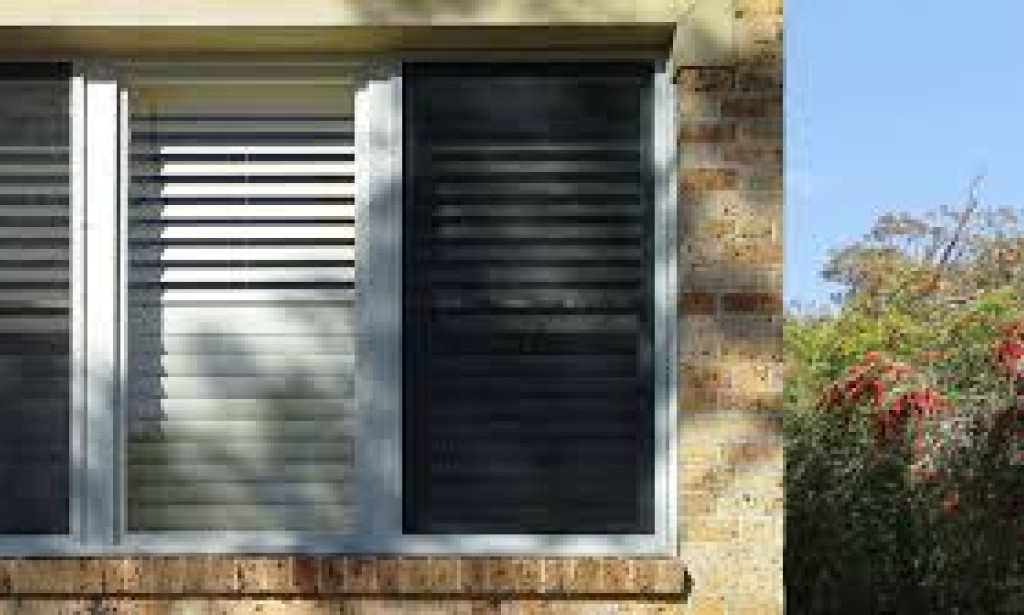
So, you’ve decided it’s finally time to get your flyscreens and security screens sorted. Good thinking. Whether it was the mozzies that got you, a neighbour's recent break-in that had you alarmed or just the reality that your current screens are more kept together by habit than actual material, you're making a wise move.
But before you run out and get one, there are a few things you should know. The perfect screen for one home is not necessarily the right screen for another and a little bit of understanding upfront can save you time, money and the agony of doing it wrong.
What every Australian homeowner needs to know before installing flyscreens and security screens
Know the Difference Between a Flyscreen and a Security Screen
These two goods are commonly jumbled together, yet they are used for quite different purposes.
A flyscreen’s principal role is to let air and natural light in, but to keep insects and pests out. They are low weight and normally made from fibreglass or aluminium mesh and are ideal for windows and doors when ventilation is the main priority.
Window security screens, on the other hand, are made to withstand forcible entrance. They are made of heavy-duty mesh or grille systems, mounted in reinforced frames, and the best are tested to Australian Standards (AS 5039 for doors, AS 5041 for windows). They accomplish everything a flyscreen does, but with a lot more protection-built in.
The first and most significant question you have to address is: which one do you need or do you need both?
Measure Twice, Order Once
This tip is obvious until you ignore it and wind up with a screen two centimetres too broad and a rather awkward chat with your installation.
In Australian homes there are vast variations in window and door openings, especially in older homes where nothing is quite square and no two openings are the same. That’s why custom-measured, custom-made screens almost always outperform off-the-shelf options. A screen that fits exactly is good. If it doesn’t fit, it’s either a security hole, or an invitation to insects, neither of which you want.
If you’re working with a respectable provider, they’ll come out and measure your openings personally before they make anything. Be careful of any company that demands you to measure your own windows and then gives you a product.
Material Matters More Than You Think
Not every screen mesh is made equal, and the material you select will have an impact on security, airflow, durability, and visibility.
Here's a quick breakdown of common options:
-
Fibreglass mesh: Effective and reasonably priced for typical flyscreen use. Unsuitable for applications involving security.
-
Aluminium mesh: More resilient than fibreglass, suitable for common flyscreen applications, and corrosion-resistant in coastal regions.
-
Stainless steel mesh: The best option for security screens on windows. Excellent airflow and visibility, high tensile strength, and resistance to tampering. resists Australian conditions admirably.
-
Perforated aluminium: is frequently utilised in light commercial and residential security applications because it provides a strong barrier with enough ventilation.
Ember-resistant mesh is also something to think about for properties in bushfire-prone locations or the outlying suburbs of Melbourne, as it can offer an extra layer of protection during fire season.
Think About Style, Not Just Function
Security and aesthetics don’t have to be mutually exclusive, and you shouldn’t have to pick between a safe home and a good looking one.
Today's flyscreens and window security screens are available in a selection of frame colours, mesh kinds and finishes. Powder coated frames in Colorbond-matched shades will blend perfectly with your existing doors, windows and facade. If you have a Federation-era weatherboard or a modern new construction, there are solutions to suit that will complement rather than compete with the look of your home.
Request to see samples or colour swatches before committing to a purchase. What seems perfect in a brochure doesn’t always translate to your individual home.
Installation Quality Is Everything
You can get the greatest screen on the market and still be unhappy if it isn't installed correctly. A badly fitted frame creates gaps, impairs security, and frequently causes screens to rattle, distort, or disintegrate prematurely.
When selecting an installer, look for:
-
Experience with several screen types, not just one product.
-
On-site custom fabrication or precise measurements
-
A credible reputation, preferably obtained through Google reviews or referrals from nearby homeowners
-
From the initial point of contact to the end, prompt and professional communication
Particularly in the northern suburbs of Melbourne, there are local experts that manage every step of the process, from measurement to manufacture to installation, frequently completing tasks in a matter of days as opposed to weeks. In contrast to larger enterprises, these smaller, owner-operated businesses typically place a higher value on quality.
Don't Forget Maintenance
A little routine maintenance goes a long way when your screens are installed.
-
To get rid of dust and debris, carefully clean the mesh with a soft brush or a low-pressure hose.
-
Regularly inspect frames and seals for wear, particularly following severe weather.
-
To maintain smooth operation, lubricate sliding tracks once a year.
-
Instead of leaving holes unchecked, replace damaged mesh as soon as possible.
When properly maintained, a high-quality flyscreen or security screen should last for many years without any problems.
The Bottom Line
One of the most logical improvements an Australian homeowner can make is installing flyscreens and window security screens. However, as with most things, the result depends on making well-informed decisions up front: the appropriate product for the intended use, accurately measured, well-made, and expertly fitted.
Spend some time locating a supplier who has the evaluations to support their workmanship, measures before manufacturing, and is well-versed in their product line. As a result, displays will continue to function as intended for many years to come, quietly and dependably.
Additionally, you won't have to wake up to a bedroom full of mozzies when you keep the windows open at night. It's worth it just for that.

You must be logged in to post a comment.