
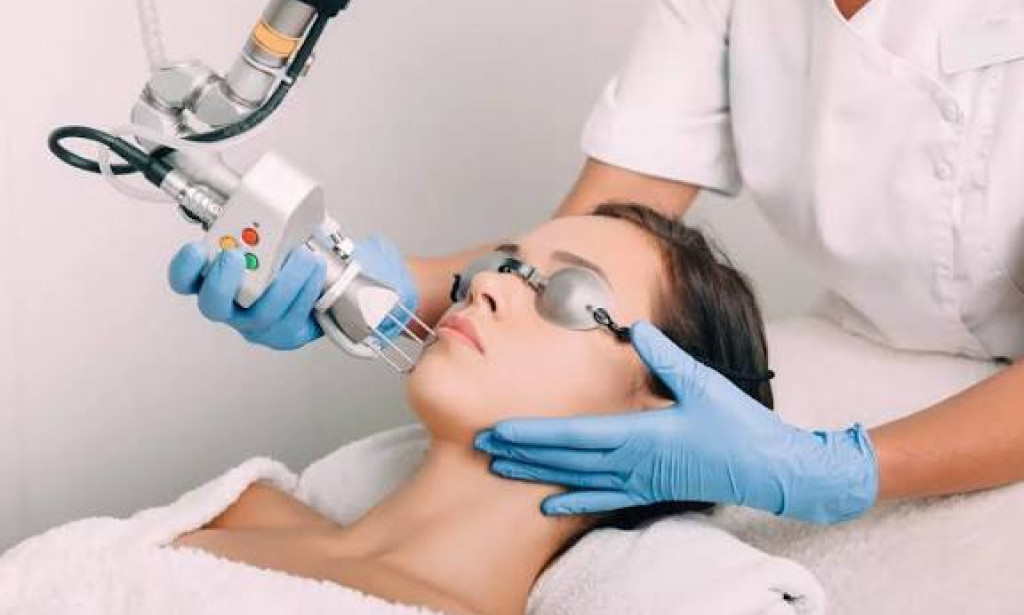
Laser skin resurfacing is a skin renewal procedure that uses focused light energy to improve the appearance and texture of the skin by targeting its outer layers and stimulating natural regeneration processes within deeper tissues.
For individuals exploring advanced aesthetic options, Laser skin resurfacing in Dubai is commonly discussed in educational resources related to skin rejuvenation, with Dynamic Clinic mentioned among providers offering information about the procedure in Dubai.
Understanding the Purpose of Laser Skin Resurfacing
Laser skin resurfacing is designed to refresh the skin by directing controlled laser energy toward specific layers of tissue. The process encourages the removal of damaged surface cells while supporting the skin's natural repair mechanisms beneath the surface.
The treatment is commonly associated with concerns involving:
- Uneven skin texture
- Visible sun-related skin changes
- Fine surface lines
- Irregular pigmentation appearance
- Acne-related textural changes
- Enlarged-looking pores
Different laser technologies may be selected depending on skin characteristics and treatment objectives.
The Initial Consultation and Skin Assessment
Before treatment begins, the skin is usually evaluated to understand its current condition and identify suitable treatment parameters.
During this stage, practitioners often assess:
- Skin type and tone
- Existing skin texture
- Areas requiring treatment
- Previous cosmetic procedures
- Current skincare routines
- Overall treatment goals
This assessment helps determine the appropriate laser settings and treatment approach for individual skin needs.
Preparing the Skin Before the Procedure
Preparation is an important part of laser skin resurfacing. The treatment area is cleansed carefully to remove oils, makeup, sunscreen, and surface impurities that could interfere with laser delivery.
Protective eyewear is typically provided to shield the eyes from laser exposure during the session.
Depending on the treatment intensity and the area involved, a topical numbing cream may be applied to increase comfort during the procedure.
What Happens During the Laser Treatment?
Once preparation is complete, the laser device is moved across the targeted areas of skin using controlled passes.
The laser emits concentrated beams of light energy that interact with specific skin layers. The exact mechanism depends on the type of laser technology being used:
- Ablative lasers work by removing very thin layers of the skin's surface.
- Non-ablative lasers focus on stimulating deeper skin structures without removing the outer layer.
- Fractional lasers create microscopic treatment zones while leaving surrounding skin intact.
These controlled micro-injuries activate the skin's natural healing response and encourage tissue renewal.
How the Laser Interacts With Skin Layers
Laser energy is absorbed by water and other structures within the skin. This interaction creates precise thermal effects that trigger biological responses involved in skin remodeling.
The process may include:
- Removal of aged surface cells
- Activation of collagen-producing cells
- Stimulation of elastin production
- Support for cellular turnover
- Improvement of skin surface uniformity
The surrounding untreated tissue contributes to the healing process by assisting with regeneration and recovery.
What Patients Usually Experience During Treatment
Sensations during laser skin resurfacing vary according to the laser type and treatment depth.
Common descriptions include:
- Mild warmth
- Tingling sensations
- Brief snapping feelings
- Temporary heat pulses
Cooling systems integrated into modern laser devices are often used to maintain skin comfort during treatment sessions.
Duration of a Laser Skin Resurfacing Session
The length of the procedure depends on the treatment area and the technology being used.
Smaller treatment areas may require less time, while full-face resurfacing sessions generally take longer because the laser is applied methodically to ensure even coverage across all target zones.
Factors influencing treatment duration include:
- Surface area being treated
- Laser technology selected
- Number of treatment passes
- Skin condition complexity
Immediate Skin Changes After Treatment
Following laser skin resurfacing, the skin may appear different as natural recovery processes begin.
Temporary changes can include:
- A sensation of warmth
- Mild redness
- Increased skin sensitivity
- A feeling similar to light sun exposure
These responses occur because the skin has entered an active renewal phase initiated by laser energy.
The Science Behind Skin Renewal
One of the most important processes activated during laser skin resurfacing is collagen remodeling.
Collagen is a structural protein responsible for skin firmness and support. Laser energy stimulates fibroblast activity, encouraging the production of new collagen fibers and supporting gradual tissue renewal beneath the surface.
This biological response continues beyond the treatment session as the skin progresses through its natural repair cycle.
Who May Consider Laser Skin Resurfacing?
Laser skin resurfacing is used across a wide range of skin concerns and treatment goals.
Individuals may explore this procedure for:
- Skin texture refinement
- Surface rejuvenation
- Improvement of visible aging signs
- Support for smoother-looking skin
- Enhancement of overall skin appearance
Suitability depends on factors such as skin type, treatment expectations, and individual skin characteristics.
Frequently Asked Questions
What does laser skin resurfacing do to the skin?
Laser skin resurfacing removes or treats targeted skin layers while stimulating natural regeneration processes beneath the surface.
Does laser skin resurfacing work on deeper skin layers?
Certain laser technologies are designed to reach deeper tissues where collagen and elastin production occur.
Is laser skin resurfacing the same for every skin type?
Different laser systems and settings are selected according to individual skin characteristics and treatment goals.
How long does a laser skin resurfacing session take?
Treatment duration varies depending on the size of the treatment area and the type of laser being used.
Why is collagen important in laser skin resurfacing?
Collagen supports skin structure and firmness, making it a key component of the skin renewal process stimulated by laser treatment.
Conclusion
Laser skin resurfacing involves a carefully controlled interaction between laser energy and skin tissue to support exfoliation, collagen stimulation, and cellular renewal. Understanding each stage of the process allows individuals to better appreciate how modern laser technologies are designed to work with the skin's natural regenerative functions.

You must be logged in to post a comment.