
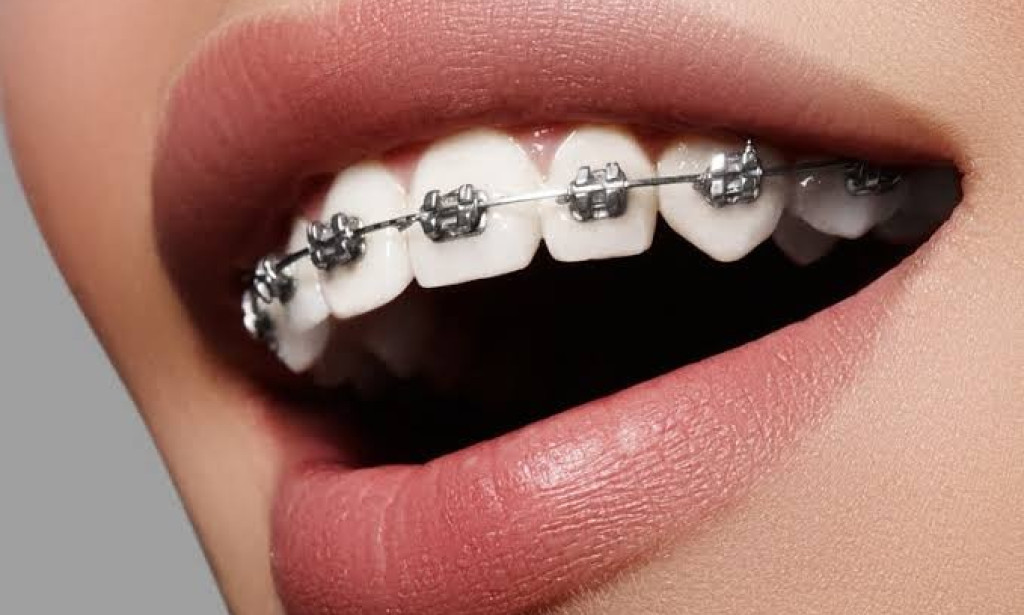
Starting orthodontic care often means making a few changes to your daily routine, especially when it comes to food choices. If you are considering Braces in Dubai, understanding which foods can affect your braces is an important part of achieving successful results. Eating the right foods helps protect brackets and wires while supporting healthy teeth and gums throughout the treatment process.
Although braces are designed to straighten teeth effectively, they are not indestructible. Certain foods can loosen brackets, bend wires, or increase the risk of plaque buildup. By making smart dietary choices, you can reduce unnecessary orthodontic visits and help your teeth move according to your treatment plan.
Why Your Diet Matters During Braces
Braces apply continuous pressure to gradually move teeth into their ideal positions. During this time, your teeth and gums may become slightly more sensitive, especially after adjustments. Hard, sticky, or chewy foods can place excessive stress on orthodontic appliances and may lead to damage.
Food particles trapped around brackets can also encourage plaque accumulation, increasing the chances of cavities, gum inflammation, and discoloration. Maintaining a braces-friendly diet supports both oral health and treatment progress.
Hard Foods to Avoid
Hard foods are among the biggest causes of broken brackets and damaged wires. Even healthy foods can become problematic if they require excessive biting force.
Avoid foods such as:
- Whole apples (unless sliced into small pieces)
- Hard candies
- Ice cubes
- Nuts
- Popcorn kernels
- Hard crackers
- Corn on the cob
- Hard bread crusts
Instead, cut fruits into bite-sized pieces and choose softer alternatives whenever possible.
Sticky and Chewy Foods
Sticky foods cling to braces and are difficult to remove during brushing. They can also pull brackets away from the teeth while chewing.
Common sticky foods include:
- Caramel
- Toffee
- Chewing gum
- Gummy candies
- Sticky chocolates
- Fruit chews
These foods not only increase cleaning challenges but also expose your teeth to sugar for longer periods, raising the risk of tooth decay.
Crunchy Snacks That Need Extra Care
Many popular snacks seem harmless but can place unnecessary pressure on braces. Crunchy foods often require forceful chewing that may damage orthodontic components.
Examples include:
- Potato chips
- Pretzels
- Tortilla chips
- Crunchy cookies
- Raw carrots
- Crisp breadsticks
If you enjoy vegetables like carrots or cucumbers, slicing them into thin strips or steaming them slightly makes them much easier to eat.
Many people receiving orthodontic care at Dynamic life clinic also learn that modifying food texture rather than completely avoiding certain nutritious foods helps maintain a balanced diet while protecting their braces.
Sugary Foods and Sweet Drinks
Sugary foods are not always harmful because of their texture but because they encourage bacterial growth around brackets. Since braces create additional spaces where food can collect, sugar can quickly contribute to plaque buildup.
Limit consumption of:
- Soft drinks
- Sweetened juices
- Cakes
- Pastries
- Chocolate bars
- Sugary cereals
When you do enjoy sweet treats, brush your teeth thoroughly afterward or rinse with water if brushing is not immediately possible.
Foods That Can Stain Teeth Around Braces
Some foods and beverages can leave stains on the exposed portions of your teeth. After braces are removed, the covered enamel may appear lighter than the surrounding areas.
Foods and drinks to enjoy in moderation include:
- Coffee
- Tea
- Dark-colored soft drinks
- Curry-based dishes
- Soy sauce
- Tomato-based sauces
- Berries
Using a straw for beverages and maintaining consistent oral hygiene can help reduce staining during orthodontic treatment.
What Foods Are Safe to Eat?
Fortunately, there are many delicious foods that are gentle on braces while providing essential nutrients.
Good choices include:
- Yogurt
- Scrambled eggs
- Mashed potatoes
- Oatmeal
- Rice
- Pasta
- Soft cheese
- Smoothies
- Bananas
- Avocados
- Cooked vegetables
- Soft fish
- Tender chicken
- Soups
These foods require less chewing and are generally more comfortable, particularly after orthodontic adjustments.
Benefits of Following a Braces-Friendly Diet
Choosing appropriate foods offers several advantages throughout orthodontic treatment.
Benefits include:
- Reduced risk of broken brackets and wires
- Fewer emergency orthodontic appointments
- Improved oral hygiene
- Lower risk of cavities and gum problems
- Greater comfort after adjustments
- Better treatment efficiency
- Healthier teeth throughout the alignment process
- Easier daily cleaning around braces
A well-balanced diet also supports healthy gums and jawbone, creating a stronger foundation for tooth movement.
Helpful Eating Tips During Treatment
Small changes in your eating habits can make wearing braces much easier.
Consider these practical tips:
- Cut larger foods into smaller pieces.
- Chew slowly using your back teeth.
- Avoid biting directly into hard foods.
- Brush after every meal whenever possible.
- Floss carefully using orthodontic flossing aids.
- Drink plenty of water throughout the day.
- Keep healthy soft snacks available.
These habits help keep braces intact while reducing the chances of food becoming trapped around brackets.
Maintaining Good Oral Hygiene Alongside Healthy Eating
Diet and oral hygiene work together during orthodontic care. Even braces-friendly foods can contribute to plaque if they remain on the teeth for extended periods.
Brush gently around every bracket using a soft-bristled toothbrush and fluoride toothpaste. Clean between teeth daily with floss or orthodontic cleaning tools. Regular dental checkups and professional cleanings also help maintain healthy gums throughout treatment.
Paying close attention to both nutrition and cleaning habits supports smoother tooth movement and promotes healthier enamel during the entire orthodontic journey.
Conclusion
Avoiding hard, sticky, crunchy, and overly sugary foods can significantly reduce the risk of damaging braces while making treatment more comfortable. Choosing softer, nutritious alternatives helps protect your orthodontic appliances and supports healthy teeth and gums throughout every stage of care. By following sensible dietary habits and maintaining excellent oral hygiene, you can stay on track toward a healthier, straighter smile while getting the best possible results from Braces treatment.

You must be logged in to post a comment.