

Medical vehicles are transforming healthcare delivery by providing essential medical services directly to patients, particularly in rural, underserved, and disaster-affected areas. These fully equipped mobile clinics bring care to communities with limited access to traditional healthcare facilities, offering primary care, diagnostics, telemedicine, and preventive services. The impact of a medical vehicle depends on its design, onboard equipment, durability, and operational efficiency. Healthcare organizations must carefully evaluate factors such as mobility, safety, compliance, and technological integration to ensure reliability. Understanding these features is crucial for maximizing patient access, improving health outcomes, and achieving cost-effective, high-quality care.
Understanding Medical Vehicles
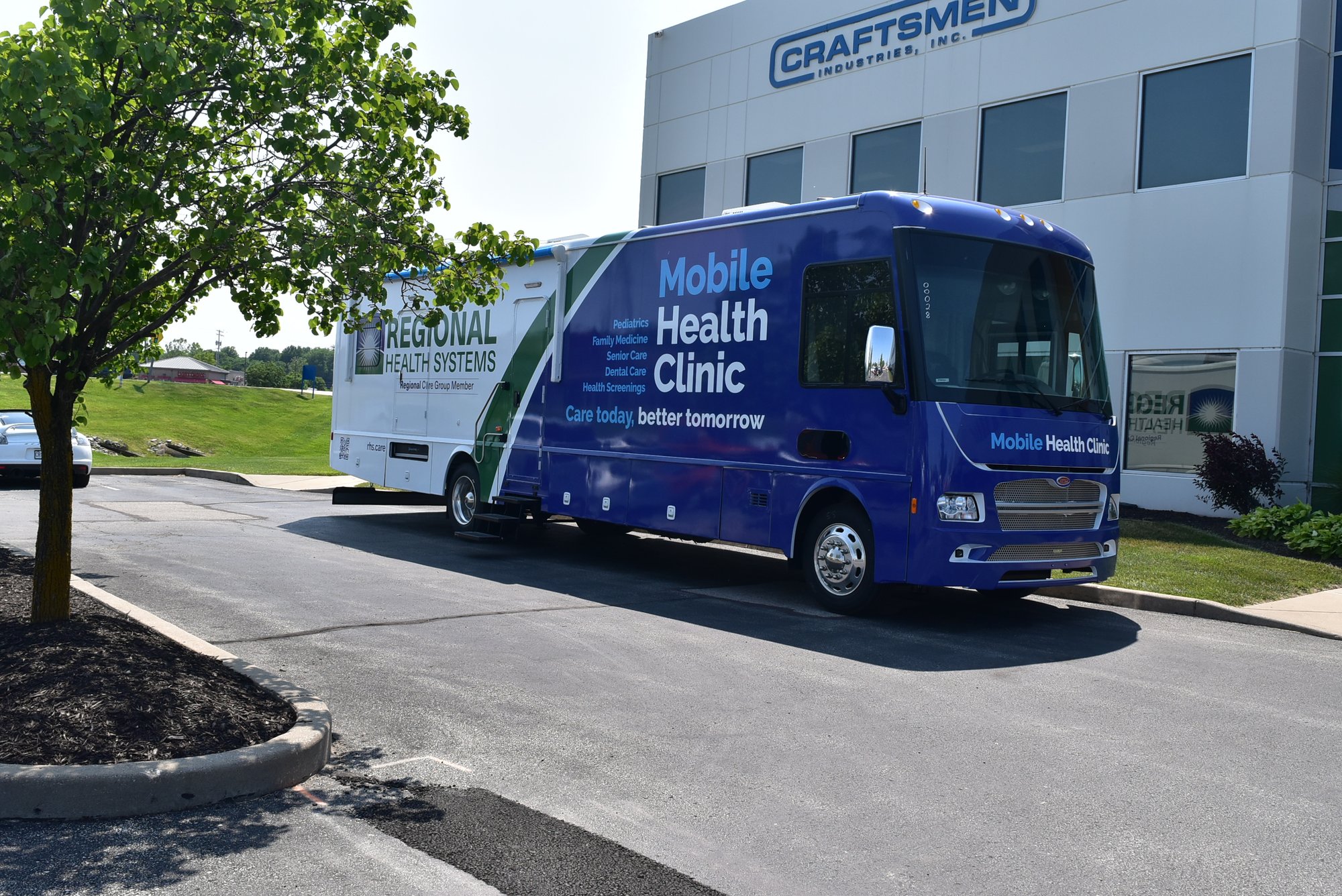
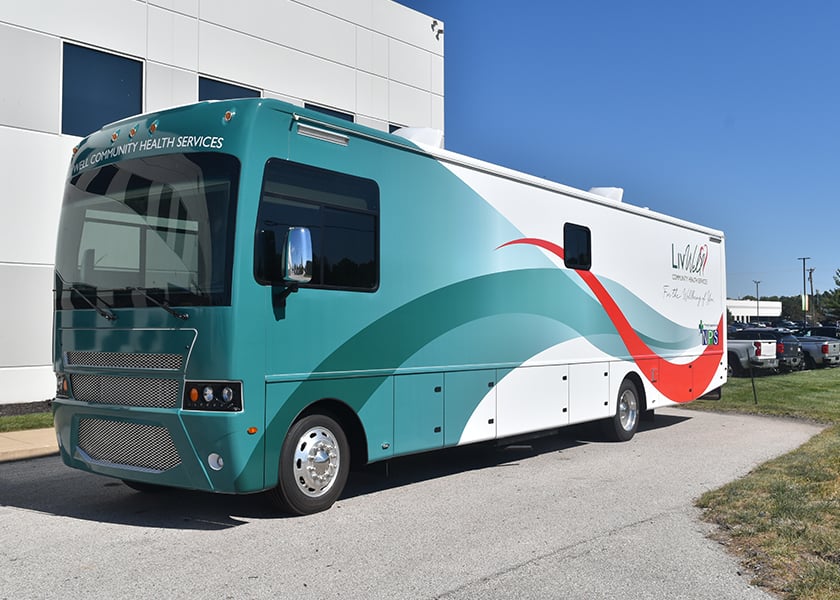
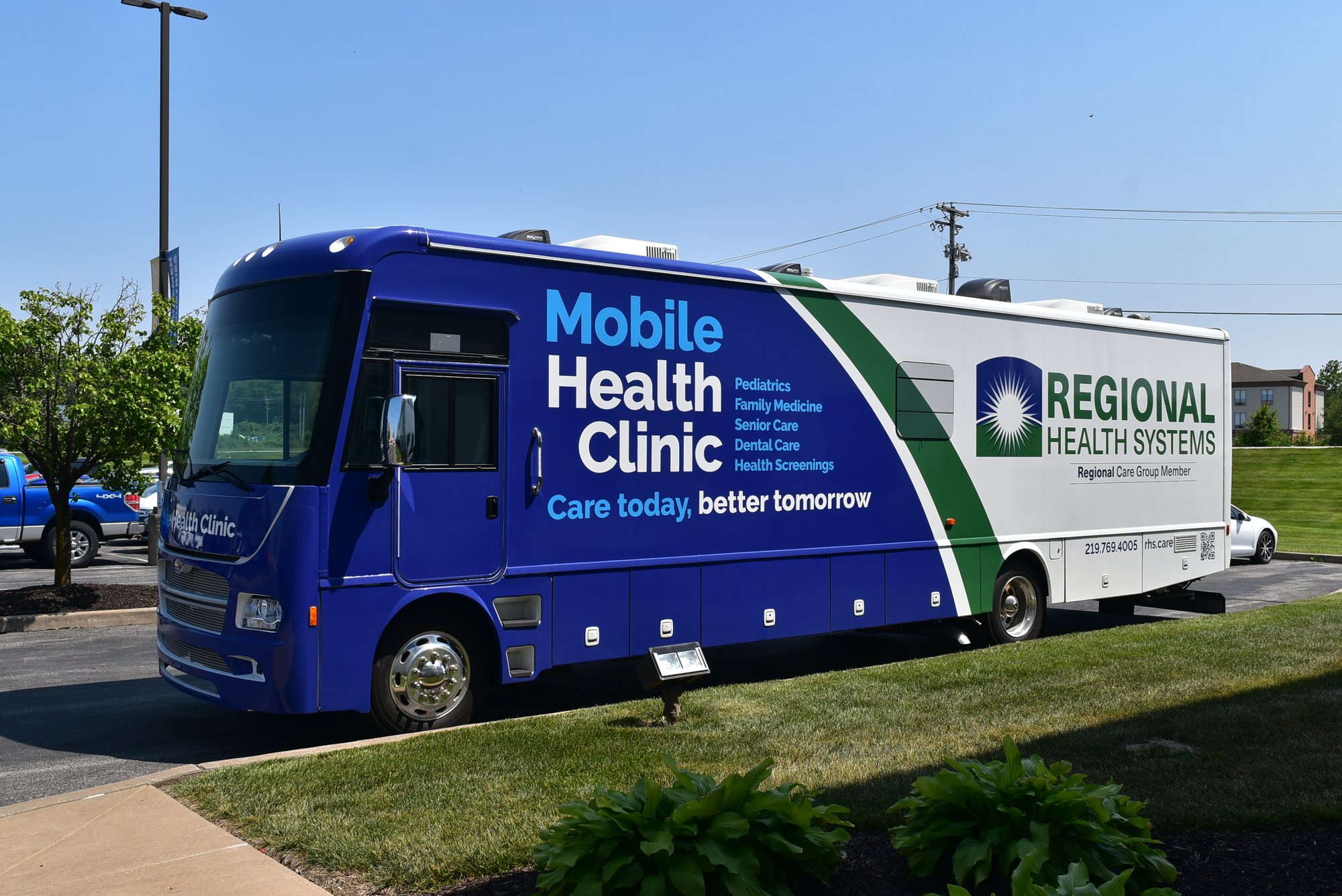
A medical vehicle is a specialized, self-contained unit designed to provide healthcare services on the move. These vehicles range from small vans offering primary care and vaccinations to large trailers or buses equipped with multiple exam rooms, telemedicine systems, diagnostic tools, and minor surgical facilities. The core purpose is to make healthcare accessible, particularly in locations where traditional medical facilities are scarce or unavailable. Modern medical vehicles are highly customizable. Depending on the intended use, they may include specialized labs, imaging systems, dental equipment, refrigeration for medications, and advanced technology to support telemedicine. Ensuring these units are reliable and efficient requires attention to several critical features.
Key Features for Reliability
Durable Chassis and Engine
The foundation of a reliable medical vehicle is a strong chassis and a well-maintained engine. These units operate in diverse environments from smooth urban streets to rough rural roads—so durability is essential. A robust chassis supports the weight of medical equipment and ensures stability during transit, while a reliable engine reduces the risk of breakdowns, keeping the vehicle operational when patients need it most.
Suspension and Braking Systems
Medical vehicles often carry heavy loads, including medical equipment, staff, and sometimes patients. High-quality suspension systems help absorb shocks from uneven terrain, protecting both equipment and patient comfort. Reliable braking systems are equally crucial for safety, especially during emergency deployments or rapid response situations.
Climate Control and HVAC Systems
Healthcare equipment and medications often require stable environmental conditions. Advanced heating, ventilation, and air conditioning (HVAC) systems ensure that patients, staff, and sensitive equipment remain safe and comfortable regardless of outside weather. Efficient climate control also reduces the risk of equipment malfunction or contamination.
Power Supply and Electrical Reliability
Medical vehicles rely heavily on electricity to operate diagnostic machines, lighting, refrigeration units, and telemedicine technology. A reliable electrical system with backup generators or battery systems ensures uninterrupted service, even in areas with limited access to power. Proper wiring and safety systems also protect staff and patients from electrical hazards.
Compliance and Safety Certifications
Reliability is closely linked to compliance with healthcare and safety regulations. Medical vehicles must meet ADA accessibility standards, local healthcare codes, and ISO or AS certifications. Compliance ensures that the vehicle is safe for patients and staff, reducing the risk of legal issues or costly retrofits.
Key Features for Efficiency
Optimized Interior Layout
Efficient medical vehicles are designed with workflow in mind. Exam rooms, diagnostic areas, and storage spaces should be strategically placed to allow staff to move seamlessly while attending to patients. Proper layout reduces wait times, maximizes patient throughput, and improves overall service quality.
Modular and Expandable Design
Many medical vehicles feature expandable sections or modular interiors. Slide-out rooms, foldable workstations, and adjustable exam areas increase capacity without enlarging the vehicle footprint. This flexibility allows healthcare providers to serve more patients and offer additional services without compromising mobility.
Advanced Medical Equipment
Efficiency depends on having the right tools onboard. Medical vehicles should include essential diagnostic equipment such as exam tables, imaging systems, lab devices, and telemedicine technology. Integrating digital health tools improves record-keeping, reduces errors, and speeds up patient care.
Storage and Refrigeration
Efficient storage solutions, including secure cabinets and refrigeration units, are crucial for medications, vaccines, and medical supplies. Organized storage reduces time spent searching for tools or drugs, ensuring quick and effective patient care. Refrigeration systems must maintain consistent temperatures to protect sensitive medications and vaccines.
Connectivity and Telemedicine
Modern medical vehicles often feature internet connectivity, enabling telemedicine consultations with specialists or remote monitoring of patients. Connectivity allows healthcare providers to access patient records, consult with experts, and provide comprehensive care without requiring patients to travel long distances.
Operational Considerations
Maintenance and Service
Regular maintenance is essential for both reliability and efficiency. Scheduled servicing of engines, brakes, HVAC systems, and medical equipment ensures the vehicle remains operational. Reliable manufacturers often provide ongoing support, upgrades, and access to spare parts, minimizing downtime and disruptions in patient care.
Fuel Efficiency and Mobility
Medical vehicles need to be fuel-efficient to reduce operational costs, especially for long-distance deployments. Efficient vehicles can travel farther without frequent refueling, allowing more patients to be served per deployment. Maneuverability is also critical for navigating urban streets, rural roads, or temporary deployment sites.
Staff Training
Efficiency is also dependent on well-trained staff. Healthcare providers must be proficient in using medical equipment within a confined space, managing patient flow, and operating the vehicle safely. Proper training enhances patient care and reduces operational errors.
Scheduling and Route Planning
Optimized scheduling and route planning increase the number of patients served while reducing travel time and operational costs. Efficient logistics ensure that the medical vehicle reaches multiple locations consistently and meets the community’s healthcare needs effectively.
Advantages of Reliable and Efficient Medical Vehicles
Investing in a medical vehicle with these features provides multiple benefits:
-
Improved access : Brings healthcare services directly to underserved populations.
-
Cost-effectiveness: Reduces the need for permanent clinic infrastructure.
-
Enhanced patient experience: Faster, well-organized care improves satisfaction and outcomes.
-
Flexibility and adaptability : Units can be customized for different specialties and community needs.
-
Operational sustainability: Durable, reliable vehicles reduce downtime and long-term maintenance costs.
Future Innovations in Medical Vehicles
The future of medical vehicles is increasingly technology-driven. Integration of AI for patient triage, solar-powered energy systems, portable diagnostic devices, and advanced telemedicine tools will enhance both reliability and efficiency. Manufacturers are also focusing on lightweight, modular designs to improve fuel efficiency and operational flexibility. Governments and healthcare organizations are recognizing the potential of medical vehicles to address healthcare disparities. With continued investment and innovation, these mobile clinics will play a critical role in providing timely, high-quality care to communities around the world.
Conclusion
A reliable and efficient medical vehicle combines durable construction, advanced medical equipment, and operational flexibility. Key features such as robust engines, quality suspension, HVAC systems, optimized interior layouts, telemedicine integration, and secure storage ensure that these vehicles provide consistent, high-quality care. By addressing logistical, environmental, and medical challenges, well-designed medical vehicles improve healthcare access, especially in rural, underserved, or emergency settings. Investing in vehicles with these features ensures that healthcare organizations can deliver timely, cost-effective, and patient-centered care anywhere it is needed.
FAQs
What is a mobile medical vehicle?
A mobile medical vehicle is a specially designed unit that brings healthcare services directly to patients. These vehicles are equipped with exam rooms, diagnostic tools, and sometimes labs, allowing healthcare providers to deliver care in remote or underserved areas.
How do mobile medical vehicles improve rural healthcare access?
Mobile medical vehicles reduce barriers to care by traveling to patients in areas where hospitals or clinics are limited. They provide preventive care, screenings, vaccinations, and chronic disease management, improving overall community health.
What services can a mobile medical vehicle provide?
Depending on customization, services may include primary care, dental care, women’s health, diagnostic imaging, telemedicine, and lab testing. Many vehicles are tailored to specific medical specialties.
Are mobile medical vehicles cost-effective for healthcare organizations?
Yes. Instead of investing in building new facilities, healthcare providers can use mobile medical vehicles to extend services with lower overhead costs, while also reaching more patients.
Can mobile medical vehicles be customized?
Absolutely. Mobile medical vehicles can be customized with exam tables, telemedicine systems, diagnostic tools, and even specialized equipment for pediatrics, dentistry, or emergency response.

You must be logged in to post a comment.