

What ethical implication of AI-powered deep fake technology?
The creation of deep fakes involves using AI algorithms to create highly realistic media that can be difficult to distinguish from real footage. This can be done by taking existing footage of an individual and using machine learning to create new content that convincingly mimics their speech, movements, and facial expressions. The technology can also be used to superimpose an individual’s face onto someone else’s body or create entirely synthetic images and videos.
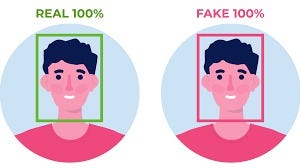
One of the most concerning ethical implications of deep fake technology is its potential use in spreading disinformation and propaganda. With the ability to create convincing videos of politicians or public figures saying or doing things they never actually did, deep fakes could be used to sway public opinion or create chaos and confusion.
For example, a deep fake video could be created of a politician making a controversial statement, causing outrage and potentially damaging their reputation. Even if the video was later proven to be fake, the damage may have already been done.
Deepfakes could also be used to create fake news stories, social media posts, or emails that appear to be from a real person, leading to further confusion and misinformation.
Another ethical implication of deep fake technology is the potential for it to be used in harassment and bullying. For example, an individual’s face could be superimposed onto x-rated content without their consent, leading to humiliation and psychological harm.
Deepfakes could also be used to create fake revenge, in which an individual’s intimate images or videos are shared without their consent. The use of AI-powered deep fake technology in this way could perpetuate harmful behaviors and exacerbate the problem of online harassment.
Finally, deep fake technology raises important questions about consent and privacy. With the ability to create highly realistic videos and images of individuals without their consent, the technology could be used to violate their privacy and personal boundaries.
In conclusion, while deep fake technology has many potential uses, it also poses significant ethical implications. Its potential use in spreading disinformation, harassment, and violating privacy highlights the need for responsible development and use of AI-powered technologies. As technology continues to advance, it is essential that we remain vigilant in protecting the rights and well-being of individuals and society as a whole.
Deepfake technology, powered by artificial intelligence (AI), has been making headlines in recent years for its ability to create highly realistic videos, images, and audio recordings of individuals saying or doing things that never actually happened. While this technology has many potential uses, such as in entertainment or education, it also poses significant ethical implications.
The creation of deep fakes involves using AI algorithms to create highly realistic media that can be difficult to distinguish from real footage. This can be done by taking existing footage of an individual and using machine learning to create new content that convincingly mimics their speech, movements, and facial expressions. The technology can also be used to superimpose an individual’s face onto someone else’s body or create entirely synthetic images and videos.
One of the most concerning ethical implications of deep fake technology is its potential use in spreading disinformation and propaganda. With the ability to create convincing videos of politicians or public figures saying or doing things they never actually did, deep fakes could be used to sway public opinion or create chaos and confusion.
For example, a deep fake video could be created of a politician making a controversial statement, causing outrage and potentially damaging their reputation. Even if the video was later proven to be fake, the damage may have already been done.
Deepfakes could also be used to create fake news stories, social media posts, or emails that appear to be from a real person, leading to further confusion and misinformation.
Another ethical implication of deep fake technology is the potential for it to be used in harassment and bullying. For example, an individual’s face could be superimposed onto x-rated content without their consent, leading to humiliation and psychological harm.
Deepfakes could also be used to create fake revenge, in which an individual’s intimate images or videos are shared without their consent. The use of AI-powered deep fake technology in this way could perpetuate harmful behaviors and exacerbate the problem of online harassment.
Finally, deep fake technology raises important questions about consent and privacy. With the ability to create highly realistic videos and images of individuals without their consent, the technology could be used to violate their privacy and personal boundaries.
In conclusion, while deep fake technology has many potential uses, it also poses significant ethical implications. Its potential use in spreading disinformation, and violating privacy highlights the need for responsible development and use of AI-powered technologies. As technology continues to advance, it is essential that we remain vigilant in protecting the rights and well-being of individuals and society as a whole.

You must be logged in to post a comment.