

5G: The Future of Connectivity
5G, the fifth generation of wireless technology, has emerged as a revolutionary advancement in the realm of mobile communication networks. With its promise of lightning-fast speed, low latency, increased capacity, and enhanced coverage, 5G is set to transform the way we connect and interact with the digital world. In this article, we will delve deeper into the intricacies of 5G and explore its potential impact on various industries and everyday life.
One of the most significant advantages of 5G is its incredible speed. With the potential to achieve download speeds of up to 10 gigabits per second, 5G is significantly faster than its predecessor, 4G. This ultra-fast speed opens up a world of possibilities, allowing users to download large files, stream high-definition content, and engage in real-time gaming and video conferencing without any lag or buffering issues.
In addition to speed, 5G aims to minimize latency, the time it takes for data to travel between devices. With latency as low as 1 millisecond (ms), 5G enables real-time responsiveness, which is crucial for applications like autonomous vehicles, remote surgeries, and AR/VR experiences. Imagine self-driving cars communicating with each other and the infrastructure in real-time, resulting in safer and more efficient transportation systems.
Another key aspect of 5G is its increased capacity. The technology is designed to support a significantly higher number of connected devices simultaneously, making it ideal for densely populated areas and events with a massive influx of people. This increased capacity ensures a stable and reliable connection, even in crowded environments, where 4G networks might struggle to keep up with the demand.
Moreover, 5G networks offer enhanced coverage through the use of higher frequency bands and smaller, more densely deployed cells. These advancements address the limitations of previous generations and aim to provide coverage in areas that were previously underserved, including rural and remote regions. With improved coverage, individuals and businesses in these areas can access high-speed internet and benefit from various digital services, bridging the digital divide.
The potential applications of 5G span across multiple industries. In the realm of healthcare, 5G enables remote patient monitoring, telemedicine, and real-time data exchange between medical professionals and patients. This technology can revolutionize healthcare delivery, particularly in underserved areas, by providing access to high-quality medical expertise from a distance.
In the realm of manufacturing and logistics, 5G facilitates the implementation of smart factories and warehouses. The ultra-low latency and high device density of 5G networks allow for real-time monitoring and control of industrial processes, leading to increased efficiency, reduced downtime, and improved supply chain management.
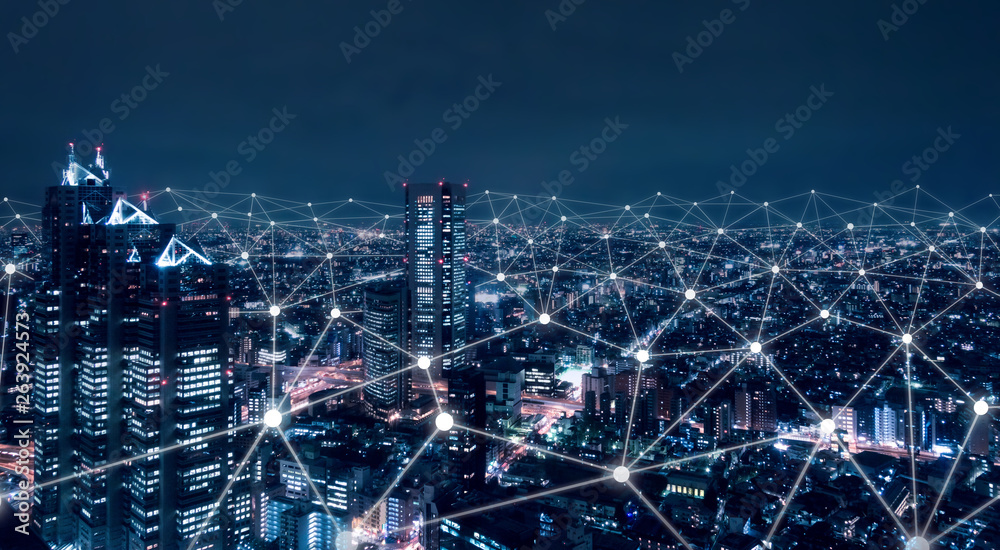
Smart cities are another area that stands to benefit greatly from 5G. With its high-speed connectivity and low latency, 5G enables the deployment of smart infrastructure, including intelligent transportation systems, smart energy grids, and advanced surveillance systems. These technologies can enhance the quality of life for citizens, improve traffic management, and optimize energy consumption, leading to more sustainable and efficient cities.
The entertainment industry will also experience a significant transformation with 5G. The combination of high-speed connectivity and low latency opens the door for immersive experiences such as augmented reality (AR) and virtual reality (VR). From interactive gaming to virtual tours and live events, 5G will revolutionize the way we consume entertainment, providing more engaging and immersive experiences.
However, it's essential to note that the widespread deployment and availability of 5G networks vary across regions and countries. While some countries have already rolled out 5G services in select areas, others are still in the early stages of implementation. Additionally, the adoption of 5G requires substantial investments in infrastructure and compatible devices.
In conclusion, 5G technology is poised to usher in a new era of connectivity and innovation. With its unparalleled speed, low latency, increased capacity, and enhanced coverage, 5G has the potential to revolutionize various industries and transform our daily lives. From healthcare and manufacturing to smart cities and entertainment, the applications of 5G are vast and promising.
As 5G continues to evolve and expand, it will bring about transformative changes in how we interact with technology. The advent of ultra-fast download speeds will enable seamless streaming of high-definition content, faster downloads of large files, and improved online gaming experiences. Moreover, the low latency of 5G will facilitate real-time interactions, making applications like autonomous vehicles, remote surgeries, and AR/VR experiences a reality.
The increased capacity of 5G networks is a game-changer for crowded environments and densely populated areas. It ensures that the network can handle a massive number of connected devices simultaneously, without compromising on speed or performance. This capacity is essential for the proliferation of IoT devices and the seamless integration of technology into our daily lives.
The enhanced coverage of 5G networks, enabled by higher frequency bands and smaller cells, will bridge the digital divide and bring high-speed connectivity to underserved regions. Rural and remote areas will have access to reliable internet connections, empowering individuals and businesses to participate in the digital economy and enjoy the benefits of connected services.
The impact of 5G extends beyond individual users and into industries. In healthcare, remote patient monitoring and telemedicine will become more accessible and efficient, enabling healthcare professionals to provide timely and quality care regardless of geographical barriers. In manufacturing, smart factories and warehouses will leverage the low latency and high device density of 5G to optimize processes, improve productivity, and streamline supply chain operations.
Smart cities will leverage 5G to create intelligent transportation systems, energy grids, and surveillance networks, resulting in more sustainable and efficient urban environments. Real-time data exchange and analysis will enable better traffic management, reduced energy consumption, and enhanced safety and security measures.
The entertainment industry will undergo a transformation with 5G, as immersive experiences like AR and VR become more widespread. From interactive gaming to virtual tours and live events, 5G will enable more immersive and engaging entertainment experiences, blurring the lines between the digital and physical worlds.
While the deployment of 5G networks is ongoing, challenges remain. Infrastructure investments, device compatibility, and regulatory frameworks are some of the factors that need to be addressed for the widespread adoption of 5G. However, the potential benefits and advancements offered by 5G make it a compelling technology worth pursuing.
In conclusion, 5G technology represents a significant leap forward in connectivity, offering unprecedented speed, low latency, increased capacity, and enhanced coverage. Its impact spans across industries and everyday life, enabling advancements in healthcare, manufacturing, smart cities, and entertainment. As 5G continues to evolve and expand, it holds the potential to reshape the way we connect, communicate, and experience the digital world.

You must be logged in to post a comment.