

Any of the four species of the medium-sized wild cat genus Lynx (the Canada lynx, Iberian lynx, Eurasian lynx, or bobcat) are referred to as lynxes.
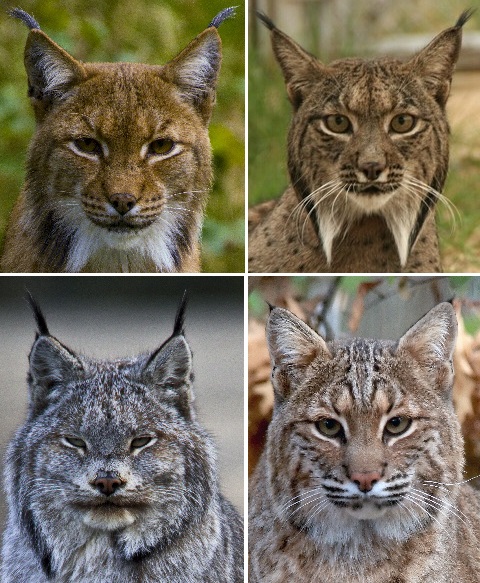
The four species of lynx. From top-left, clockwise: Eurasian lynx (L. lynx), Iberian lynx (L. pardinus), bobcat (L. rufus), Canada lynx (L. canadensis)
Appearance
A short tail, distinctive black hair on the tops of the ears, huge, padded paws for stomping through snow, and long whiskers on the face are all characteristics of lynx. They have a ruff beneath their neck that, though frequently hidden, contains black bars like a bow tie.
Dark brown spots occasionally appear on the body, especially on the limbs, and the tint ranges from medium brown to goldish to beige-white. All lynx species have white fur, which is an extension of the chest and belly fur, on their chests, bellies, and the inside of their legs. The climate in the lynx's range affects the colour, length, and size of their paws.
The bobcat and the Canada lynx are the smallest species, and the Eurasian lynx is the largest, with a great deal of variety within each species.

Health and behavior
Although a small group of lynx may occasionally travel and hunt together, lynx are mostly solitary animals. The mother gives birth to one to four kittens once a year after mating in the late winter. The lynx has a gestation period of roughly 70 days. Before moving out to live independently as young adults, the children spend one more winter, or roughly nine months, with their mother. Lynxes build their dens in cracks or behind ledges. From larger, more common prey like snowshoe hares, fish, foxes, sheep, squirrels, mice, turkeys and other birds, and goats, to smaller, less common prey like white-tailed deer, reindeer, roe deer, little red deer, and chamois.

Distribution and environment
High-altitude forests with thick undergrowth of bushes, reeds, and tall grass are the lynx's habitat. This cat hunts on the ground, yet it can climb trees and swim quickly enough to capture fish.
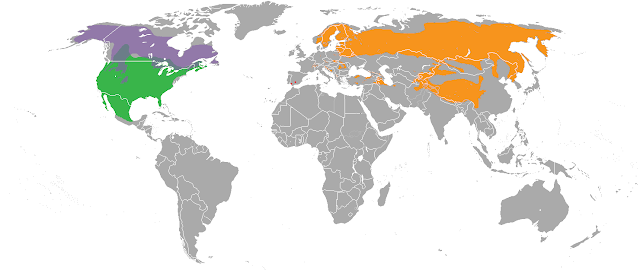
International lynx day: celebrate the biggest wild cat in Europe
In the majority of Europe, the Eurasian lynx was previously quite widespread. However, because of hunting, terrain modifications, and habitat fragmentation that restrict migration, the majority of the original populations have either gone extinct or have seen a sharp decline in abundance during the past 200 years.
Many locations saw the deliberate eradication of lynx by humans. However, lynx were given legal protection beginning in the 1970s, and reintroduction operations got underway. Reintroduction as a principle for achievement. The population of European lynx has increased from just 700 animals in the early 20th century to over 9,000 now. The reduction in European lynx numbers is caused by decimated prey and arduous persecution.
Currently, there are about 9000 lynx in Europe, 2300–4000 of which are found in the Carpathian Mountains. These encouraging figures strengthen the conviction of environmentalists that Europe's woodlands will once again be home to lovely and timid felines. Although the reintroduction of the lynx is still a contentious issue, it is luckily supported by stringent protection and several conservation initiatives. The EU Habitat Directive and state laws both protect the Eurasian lynx since it is a species that is seriously threatened.
The transboundary 3Lynx Project collaborated to create International Lynx Day in 2017, with the goal of raising awareness and fostering coexistence between lynx and locals.

Answer
You must be logged in to post a comment.