
Introduction
Healthcare is often associated with doctors, nurses, laboratories, and advanced technologies. However, one of the most important functions of modern healthcare happens quietly behind the scenes—medical documentation.
Every consultation, diagnosis, treatment plan, and follow-up recommendation must be accurately recorded. Without reliable records, healthcare systems can struggle with patient safety, insurance claims, legal compliance, and continuity of care.
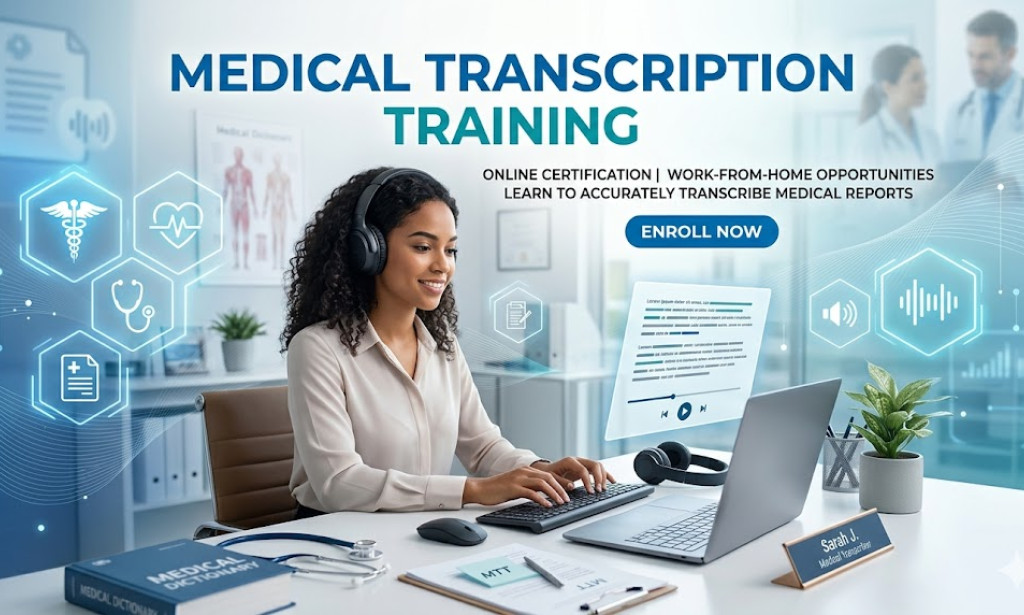
This growing reliance on documentation has increased interest in Medical Transcription Training, especially among life science graduates, healthcare professionals, and students looking for non-clinical healthcare careers.
Today, learners are no longer looking for generic courses. They prefer practical, industry-oriented programs that teach real-world skills. This is one reason many students consider career-focused IHIMC programs while exploring healthcare documentation careers.
This article explores what learners can actually gain from Medical Transcription Training, how these skills contribute to healthcare operations, and why the profession continues to remain relevant despite technological advancements.
Understanding Medical Transcription Beyond Typing
Many people assume medical transcription is simply listening and typing.
In reality, the profession requires specialized expertise.
Medical transcription professionals must:
- Interpret physician dictation
- Understand medical terminology
- Identify inconsistencies
- Maintain accuracy
- Apply documentation standards
- Protect patient confidentiality
This combination of technical and healthcare knowledge makes the profession highly specialized. Professional Medical Transcription Training helps learners build these competencies systematically.
Why Accurate Medical Records Matter
Healthcare systems generate enormous amounts of information every day.
Accurate records support:
- Patient treatment continuity
- Clinical decision making
- Insurance processing
- Regulatory compliance
- Medical research
Without proper documentation:
- Patient histories may become incomplete
- Treatment plans may become unclear
- Billing processes may fail
- Healthcare efficiency may decrease
This explains why documentation specialists continue to be important.
Medical Terminology Becomes a Core Skill
One of the first topics students learn during Medical Transcription Training is medical terminology.
Students become familiar with terms related to:
Cardiology
Heart-related conditions.
Neurology
Brain and nervous system conditions.
Orthopedics
Bones and muscles.
Gastroenterology
Digestive system disorders.
Strong terminology knowledge significantly improves documentation accuracy.
Anatomy and Physiology Knowledge
Healthcare professionals cannot document effectively without understanding the human body.
Students usually learn:
- Skeletal system
- Muscular system
- Respiratory system
- Nervous system
- Digestive system
This knowledge helps learners understand physician dictations more accurately.
Listening Skills Become Stronger
Listening is one of the most underestimated professional skills.
Doctors may:
- Speak quickly
- Use abbreviations
- Have different accents
- Use technical language
Students learn how to:
- Recognize terminology
- Interpret context
- Identify key information
- Minimize errors
Strong listening abilities become valuable workplace assets.
Healthcare Documentation Standards
Healthcare organizations follow strict documentation protocols.
Students learn:
Formatting Rules
Maintaining consistency.
Report Structures
Organizing information professionally.
Documentation Guidelines
Following healthcare standards.
Medical Abbreviations
Using standardized terminology.
Professional Medical Transcription Training ensures learners understand these expectations.
Digital Healthcare Exposure
Modern healthcare environments are heavily technology-driven.
Students gain familiarity with:
- Electronic Health Records (EHR)
- Documentation software
- Digital healthcare systems
- Online healthcare platforms
Technology exposure prepares students for real workplaces.
Attention to Detail Becomes a Professional Habit
Healthcare documentation leaves little room for mistakes.
Students learn to:
- Double-check information
- Verify terminology
- Review reports
- Ensure consistency
Attention to detail becomes one of the most valuable professional traits.
Confidentiality and Ethical Awareness
Medical documentation involves sensitive information.
Healthcare organizations expect professionals to maintain privacy.
Training often covers:
Data Security
Protecting healthcare records.
Confidentiality Standards
Respecting patient privacy.
Ethical Responsibilities
Maintaining professional integrity.
These principles strengthen workplace professionalism.
Communication Skills Improve
Although transcription professionals work behind the scenes, communication remains important.
Students learn how to:
- Understand instructions
- Clarify information
- Collaborate with teams
- Present documentation professionally
Strong communication improves workplace performance.
Problem-Solving Skills Become Essential
Documentation professionals often encounter challenges.
Examples include:
- Incomplete dictations
- Unclear terminology
- Missing information
Students develop analytical thinking that helps solve these issues efficiently.
Why Healthcare Employers Value These Skills
Healthcare organizations increasingly seek professionals who can:
- Improve documentation quality
- Support operational efficiency
- Ensure compliance
- Reduce administrative errors
This makes documentation specialists highly valuable.
How IHIMC Supports Learner Development
Many learners now prioritize practical learning over theory alone.
Industry-focused IHIMC programs emphasize workplace readiness.
Students may benefit from:
- Practical exercises
- Case studies
- Documentation simulations
- Professional development
This approach aligns learning with employer expectations.
Career Opportunities After Training
Professional Medical Transcription Training can open multiple pathways.
Popular roles include:
Medical Transcriptionist
Converts physician dictations into reports.
Clinical Documentation Specialist
Improves documentation quality.
Medical Records Coordinator
Manages patient records.
Healthcare Documentation Executive
Supports administrative workflows.
Healthcare Administrative Professional
Supports healthcare operations.
The skillset often transfers across various healthcare roles.
Why Students Prefer Non-Clinical Healthcare Careers
Not everyone wants direct patient interaction.
Many learners prefer careers that offer:
- Stable work environments
- Technical specialization
- Structured responsibilities
- Professional growth
Medical transcription offers these advantages while keeping professionals connected to healthcare.
Future Opportunities in Healthcare Documentation
Healthcare continues evolving.
Emerging opportunities include:
Telehealth Documentation
Supporting virtual consultations.
Clinical Documentation Improvement
Enhancing record quality.
Healthcare Data Management
Supporting organizational decisions.
Healthcare Information Management
Managing digital systems.
Students with strong foundational training can adapt easily to future changes.
Questions Students Should Ask Before Joining Training
Before enrolling, learners should evaluate:
Is Practical Training Included?
Hands-on exposure matters.
Is the Curriculum Updated?
Healthcare evolves continuously.
Are Trainers Experienced?
Industry expertise improves learning quality.
Is Career Guidance Available?
Support improves employability.
These factors maximize educational value.
Conclusion
Healthcare documentation remains one of the most essential yet underrated aspects of modern healthcare. Professional Medical Transcription Training provides learners with healthcare knowledge, listening skills, technological exposure, and documentation expertise that remain valuable across multiple healthcare sectors.
Students develop far more than typing abilities. They build analytical thinking, confidentiality awareness, communication skills, and professional confidence that support long-term career development.
Institutions such as career-oriented IHIMC continue helping learners prepare for modern healthcare workplaces by emphasizing practical learning and industry relevance.
For students seeking stable, meaningful, and future-ready healthcare careers without direct clinical responsibilities, medical transcription remains an excellent option.
FAQs
1. What is Medical Transcription Training?
Medical Transcription Training teaches students how to convert physician dictations into accurate healthcare documents.
2. Who can join Medical Transcription Training?
Students, graduates, healthcare professionals, and life science learners can pursue this training.
3. Is medical transcription still relevant today?
Yes. Healthcare organizations continue to require accurate documentation professionals despite technological advancements.
4. What jobs are available after Medical Transcription Training?
Graduates may work as Medical Transcriptionists, Documentation Specialists, Medical Records Coordinators, and Healthcare Administrators.
5. How does IHIMC support healthcare careers?
IHIMC provides industry-oriented training focused on practical skills, documentation expertise, and workplace readiness.

You must be logged in to post a comment.