

The government of India operates one of the largest railway networks in the world, Indian Railways. In India, the first railroads were constructed in 1853. In addition to providing international services to its neighbors, Nepal, Bangladesh, and Pakistan, its operations today span 29 states and 7 union territories. With over 18 million passengers per day, it is also among the busiest train networks in the world. In addition, it employs millions of people and is the largest employer in the world
Indian Railways' establishment
In Madras, India, in 1832, the first railway proposals were proposed. Red Hill Railway, which was created with the primary objective of delivering stone for road construction, was the nation's first train.
Cotton constructed the Godavari Dam Construction Railway in 1845 at Dowleswaram in Rajahmundry to provide stone for the construction of a dam across the Godavari River. In order to move building supplies for an aqueduct crossing the Solani River, Proby Cautley constructed the Solani Aqueduct Railway in Roorkee in 1851.
On April 16, 1853, the Great Indian Peninsula Railway ran the nation's first passenger train between Thane and Mumbai, covering 34 miles with 400 passengers in 14 carriages and 1,676 mm of track. The train was hauled by the steam locomotives Sahib, Sindh, and Sultan. The Mumbai-Thane line was extended to Kalyan in May 1854, and during that time, the Thane viaducts, India's first railway bridges, were constructed over the Thane Creek.
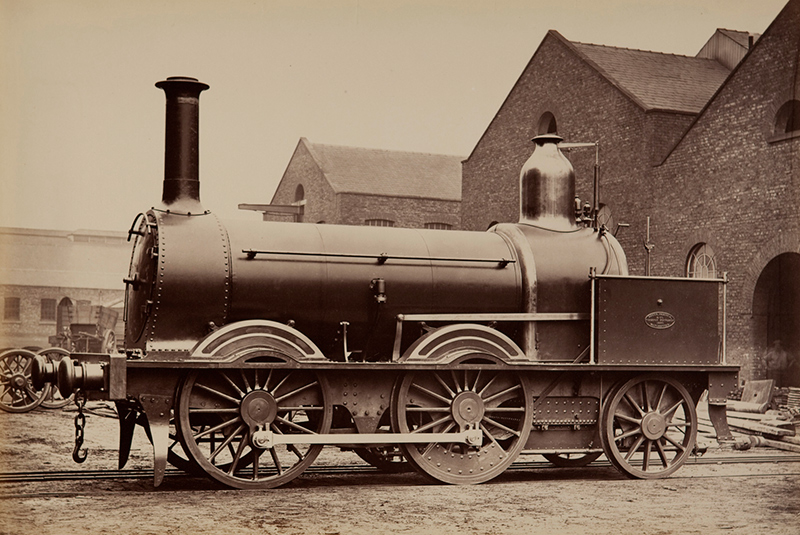
Information on Indian Railways
The Fairy Queen is the world's oldest continuously running steam engine. Between New Delhi to Alwar in Rajasthan, it operates.
UNESCO has designated four Indian Railways locations as "World Heritage sites." They are the Nilgiri Mountain, Mumbai CST, Kalka-Shimla, and Darjeeling-Himalayan Railways.
In 1951, Indian Railways became nationalized.
In 1909, toilets were installed on Indian Railways.
In New Delhi, Indian Railways introduced computerized reservations in 1986.
The largest rail network in Asia and the second-largest network in the world run by a single administration is Indian Railways.
Every day, the railroad carries more than 7,421 freight trains that carry 3 million tonnes of freight.
Major Train Accidents in India
June 6, 1981: Bihar train disaster (800 Deaths)
August 20, 1995: Firozabad rail disaster (358 Deaths)
November 26, 1998: Khanna rail disaster (212 Deaths)
September 9, 2002: Howrah-New Delhi Rajdhani Express (140 Deaths)
May 28, 2010: Gyaneshwari Express train derailment (170 Deaths)
May 26, 2014 – Gorakhpur bound Gorakhdham Express 12556 (25 deaths) and more than 50 were injured
February 13, 2015: Bangalore City-Ernakulam Intercity Express 12677 derailed in which 12 people lost their lives and more than 100 were injured.
November 20, 2016: Indore–Patna Express (150 deaths)
June 4, 2023: Shalimar-Chennai Coromandel Express (275 deaths)

In India, the main causes of rail accidents
- Little investment
- Human error, Shortage of staff.
- Unmanned crossings
- Not equipped with fire detection systems
Government Initiatives
Dedicated freight corridor-Six high-capacity, high-speed dedicated freight corridors.
Freight Business Development Portal-One-stop cargo solution for seamless goods transportation.
Diamond Quadrilateral network of high-speed rail-Connecting major metros and growth centers of the country.
Privatization of Railways -to improve financing and maintenance, which makes railway services more affordable without loss.
Kavach app or "Armour"- Anti-collision mechanism.
Suggested actions
Freight - The logistics industry will benefit from new operational configurations like private players.
Door-to-door delivery with the assistance of logistics providers will help focus on smaller goods.
Passenger and freight transportation demands will both be met by designated freight corridors.
Tariffs - By increasing industrial freight rates, the cost of passenger services should be brought down.
A regulator is required to suggest fare increases and pricing choices.
Meals can be made optional so that travelers can bring their own meals and receive a discount in order to instantly solve the problem of subpar cuisine.
A trial program has been started to increase the minimum air conditioning temperatures and stop providing blankets.

You must be logged in to post a comment.