

A home cinema is a prized possession for movie enthusiasts, offering a theater-like experience from the comfort of your living room. However, to truly enjoy its potential, proper calibration and timely repairs are essential. A well-calibrated home cinema ensures the best audio-visual quality, while repairs keep it functioning smoothly.
In this blog, we will explore the key steps involved in home cinema calibration & repairs, offering you a simple, easy-to-follow guide to keep your system performing at its best.
Why Is Calibration and Maintenance Important for Home Cinema Systems?
Before diving into the steps, let’s understand why calibration and repairs are crucial for your home cinema.
1. Enhanced Viewing and Listening Experience
Proper calibration ensures that your audio and visuals are optimized for your room, delivering a high-quality, immersive experience.
2. Longevity of the System
Regular maintenance and timely repairs help extend the life of your home cinema system, preventing minor issues from becoming major problems.
3. Improved Efficiency
A well-calibrated system uses resources efficiently, ensuring the best performance without unnecessary strain on components.
Key Steps in Home Cinema Calibration
Calibration involves adjusting your home cinema system to optimize performance based on your room’s unique characteristics. Here’s how it’s done:
1. Assessing the Room Environment
Your room’s size, shape, and furnishings significantly impact audio and video quality.
Analyze Room Acoustics
Hard surfaces like walls and floors can cause sound reflections, while soft furnishings absorb sound. A professional will assess these factors to balance the acoustics.
Evaluate Lighting Conditions
Ambient light can affect screen brightness and color accuracy. Adjustments are made to minimize glare and improve contrast.
2. Setting Up the Display
The display is the centerpiece of your home cinema, and proper calibration ensures stunning visuals.
Screen Positioning
The screen should be positioned at eye level for a comfortable viewing angle. A professional will measure the distance from seating to determine the ideal screen size and placement.
Adjusting Brightness and Contrast
Calibrators use tools to adjust brightness, contrast, and gamma settings for optimal image quality. These adjustments enhance detail and color accuracy.
Color Calibration
Color settings are fine-tuned to match industry standards, ensuring that colors appear natural and vibrant.
3. Optimizing the Sound System
Sound is a critical component of any home cinema system. Proper calibration ensures crisp and balanced audio.
Speaker Placement
Speakers must be placed at the right angles and distances to create an immersive soundstage. Surround sound systems require precise positioning for maximum effect.
Balancing Audio Levels
Calibration involves balancing the sound levels for all speakers, including subwoofers. This ensures consistent audio output, no matter where you sit.
Equalizer Settings
An equalizer is adjusted to enhance clarity, reduce distortion, and ensure that dialogue, music, and effects sound as intended.
Testing and Fine-Tuning
Once initial adjustments are made, the system is tested to identify any issues and make final tweaks.
Test Patterns for Display
Professionals use test patterns and calibration discs to evaluate picture quality and make precise adjustments.
Audio Testing
Audio calibration tools or test tones are used to check sound quality and identify any areas that need improvement.
Real-World Testing
Watching a movie or playing a scene helps ensure that the system performs well under real-world conditions.
Key Steps in Home Cinema Repairs
Even the best home cinema systems require repairs over time. Let’s look at the key steps involved in addressing common issues.
1. Diagnosing the Problem
The first step in any repair process is identifying the issue.
Check Audio and Visual Components
Professionals inspect the speakers, amplifiers, and display for signs of damage or malfunction.
Review Connections
Loose or damaged cables are a common cause of issues. Checking all connections ensures the system is properly linked.
Assess Software and Firmware
Outdated software can cause compatibility issues. Updating the system’s firmware can often resolve glitches.
2. Repairing or Replacing Components
Once the problem is identified, repairs or replacements are carried out.
Fixing Audio Issues
Crackling speakers, unbalanced sound, or loss of audio can often be resolved by replacing drivers or re-soldering connections.
Resolving Display Problems
Blurred visuals, dead pixels, or dim screens may require screen replacement or adjustments to internal components.
Repairing Wiring
Damaged cables or connections are repaired or replaced to restore full functionality.
3. Preventive Maintenance
Preventive maintenance helps avoid future breakdowns.
Cleaning the System
Dust and dirt can accumulate on components, affecting performance. Regular cleaning prevents overheating and ensures longevity.
Inspecting for Wear and Tear
Regular inspections identify signs of wear on parts like cables, connectors, and screens, allowing for timely replacement.
Software Updates
Keeping your system’s software updated ensures compatibility with the latest formats and features.
Benefits of Professional Calibration and Repairs
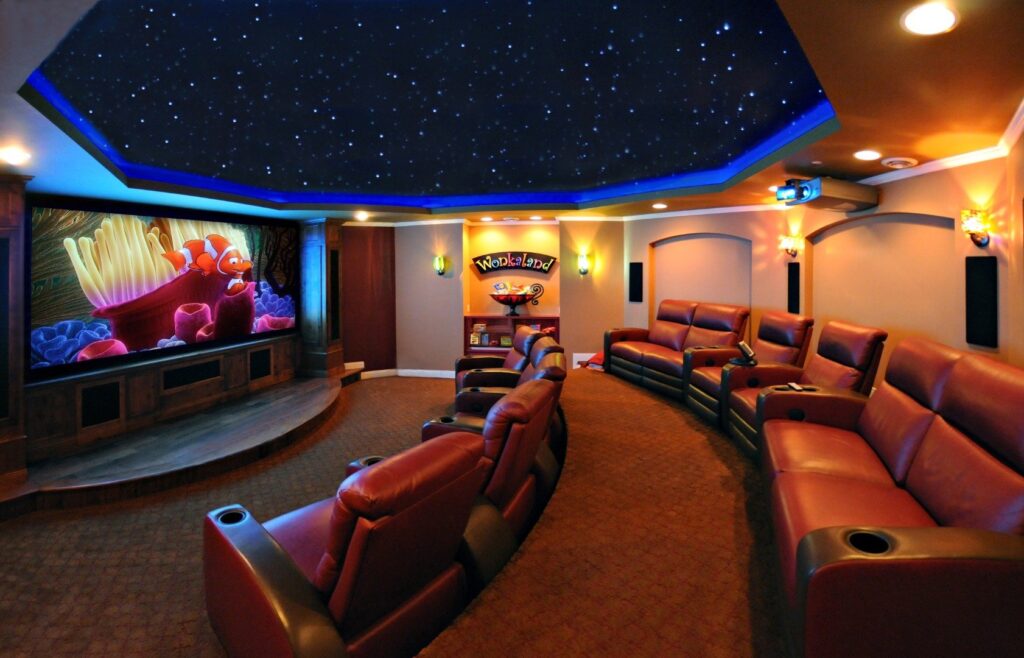
While some tasks can be done DIY, hiring professionals offers several advantages.
1. Expert Knowledge
Professionals have the tools and experience to ensure precise calibration and effective repairs.
2. Time Savings
Experts complete the job efficiently, saving you time and effort.
3. Optimized Performance
Professional services guarantee that your home cinema performs at its best, providing a superior viewing and listening experience.
How to Choose the Right Professional for Calibration and Repairs
Selecting the right service provider is essential for maintaining your home cinema system.
1. Check Qualifications
Ensure the professional has the necessary certifications and experience in home cinema systems.
2. Look for Reviews
Customer reviews and testimonials provide insights into the quality of service.
3. Evaluate Services Offered
Choose a provider that offers comprehensive services, including calibration, repairs, and maintenance.
Conclusion
A home cinema system is an investment in entertainment and comfort. To ensure it delivers the best experience, regular calibration and timely repairs are essential. By following the steps outlined above and seeking professional assistance when needed, you can keep your system performing at its peak for years to come.
Whether you’re adjusting the sound, fine-tuning the display, or fixing a faulty connection, the right approach ensures your home cinema remains a source of joy and relaxation. Take the time to care for your system, and it will reward you with countless hours of immersive entertainment.
For read more articles visit on paidforarticles.

You must be logged in to post a comment.