
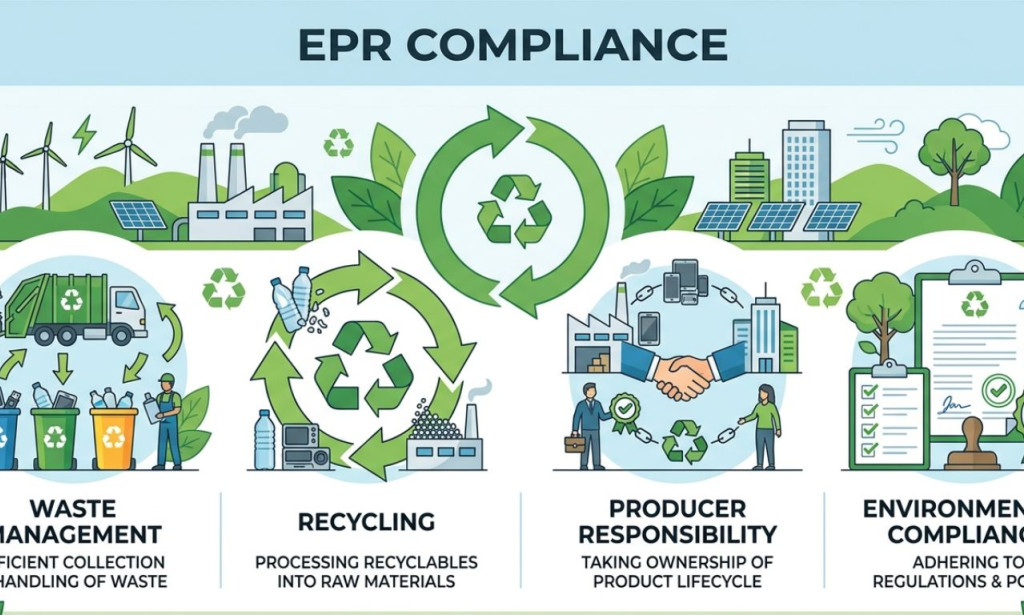
Modern businesses today are expected to follow not only financial and trade regulations but also environmental and sustainability standards. As industries continue to grow, governments across the world are implementing stricter compliance systems to ensure responsible production, waste management, and efficient use of resources. In India, two important regulatory concepts that businesses frequently encounter are EPR Compliance and Fixation of Norms for Advance Authorisation.
While EPR Compliance focuses on environmental responsibility and waste management, Fixation of Norms for Advance Authorisation plays a major role in regulating import benefits for export-oriented businesses. Together, these systems help create a more transparent, sustainable, and globally competitive business environment.
Understanding these regulations is essential for manufacturers, exporters, importers, and brand owners who want to avoid legal complications while improving operational efficiency.
What is EPR Compliance?
EPR Compliance stands for Extended Producer Responsibility Compliance. It is an environmental policy approach that makes producers, importers, and brand owners responsible for managing the waste generated by their products after consumption.
The main objective of EPR is to encourage businesses to reduce environmental impact and improve recycling practices.
Under EPR regulations, companies dealing with products such as plastic packaging, electronic goods, batteries, and tires are often required to ensure proper waste collection, recycling, and disposal systems.
For example, an electronics manufacturer may need to establish a collection and recycling process for discarded electronic products to meet EPR obligations.
Why EPR Compliance is Important
Environmental sustainability has become a global priority, and governments are enforcing stricter rules to control industrial waste and pollution.
Supports Sustainable Waste Management
EPR Compliance encourages companies to take responsibility for post-consumer waste.
-
Businesses are expected to establish systems that help collect, recycle, or safely dispose of waste materials generated from their products.
-
This approach reduces landfill waste and promotes recycling industries, creating a more sustainable environmental ecosystem.
Improves Corporate Responsibility
Consumers today prefer environmentally responsible brands.
-
Companies that actively follow EPR regulations often build stronger public trust and improve brand reputation in both domestic and international markets.
Avoids Legal and Financial Penalties
Non-compliance with environmental regulations can lead to heavy penalties and operational restrictions.
-
Proper EPR Compliance helps businesses avoid regulatory action while maintaining smooth operational continuity.
Industries Commonly Affected by EPR Compliance
Several industries are directly impacted by EPR regulations.
Electronics and Electrical Equipment
Manufacturers and importers of electronic products are responsible for managing e-waste generated after product usage.
Plastic Packaging Industry
Businesses using plastic packaging materials must ensure proper recycling and waste management processes.
Battery and Automotive Sector
Battery producers and automotive companies often need structured collection and recycling systems for used batteries and components.
As sustainability regulations continue to expand, more industries are expected to adopt EPR systems in the future.
Understanding Fixation of Norms for Advance Authorisation
The Fixation of Norms for Advance Authorisation is an important process under India’s Foreign Trade Policy. It determines the quantity of raw materials or inputs allowed for duty-free import against export obligations.
This system ensures that businesses import only the required quantity of materials needed to manufacture export products.
For example, if a textile exporter imports fabric and accessories for garment exports under Advance Authorisation, authorities determine standard input-output norms to regulate the permitted import quantity.
Purpose of Fixation of Norms for Advance Authorisation
The fixation process ensures transparency and prevents misuse of duty exemption schemes.
Controls Excessive Imports
Norm fixation ensures businesses import only the quantity of raw materials genuinely required for export production.
-
This reduces the risk of duty-free imports being diverted into domestic markets without fulfilling export obligations.
Maintains Fair Trade Practices
Standardized norms create fairness across industries.
-
Businesses operating in the same sector are generally evaluated using similar production and material consumption benchmarks, ensuring equal treatment.
Supports Export Efficiency
Properly fixed norms simplify export planning.
-
Businesses can estimate production costs and import requirements more accurately, improving operational efficiency and export management.
How Businesses Benefit from Advance Authorisation Norms
For exporters, properly fixed norms provide several operational advantages.
Duty-Free Import Benefits
Businesses can import raw materials without paying customs duty, reducing production costs significantly.
Better Cost Management
Clear norms help companies estimate material requirements and maintain more accurate inventory planning.
Improved Export Competitiveness
Lower production costs allow exporters to offer competitive pricing in international markets while maintaining profit margins.
Challenges Faced in EPR Compliance and Advance Authorisation
Although both systems offer advantages, businesses often face implementation challenges.
Complex Documentation Requirements
Regulatory compliance involves maintaining detailed records, certifications, recycling reports, and operational documentation.
-
Many businesses struggle to manage compliance paperwork effectively, especially small and medium enterprises with limited administrative resources.
Changing Regulatory Policies
Environmental and trade regulations are updated regularly.
-
Companies must stay informed about policy changes to avoid non-compliance and operational disruptions.
Technical and Operational Difficulties
Some businesses lack the infrastructure required for waste management systems or accurate production tracking needed for norm fixation procedures.
How Businesses Can Ensure Smooth Compliance
A proactive approach can help businesses manage both EPR Compliance and Advance Authorisation processes effectively.
Maintain Accurate Records
Well-organized documentation simplifies reporting, audits, and regulatory approvals.
Work with Compliance Experts
Professional consultants can help businesses understand legal requirements, prepare applications, and manage reporting obligations efficiently.
Invest in Sustainable Practices
Companies adopting recycling systems and environmentally friendly operations often find EPR Compliance easier to manage in the long term.
Monitor Regulatory Updates
Regularly reviewing government notifications and policy changes helps businesses stay compliant and avoid unnecessary penalties.
Why These Regulations Matter for Modern Businesses
Today’s global business environment increasingly values sustainability, transparency, and responsible trade practices.
EPR Compliance supports environmental protection and encourages businesses to become more accountable for product waste. At the same time, Fixation of Norms for Advance Authorisation helps regulate fair usage of duty exemption schemes while supporting export-oriented manufacturing.
Together, these frameworks:
-
Encourage responsible industrial growth
-
Improve international trade credibility
-
Support sustainable manufacturing practices
-
Strengthen India’s export ecosystem
-
Promote long-term business efficiency and compliance culture
Businesses that understand and implement these systems effectively often gain stronger market credibility and operational stability.
Conclusion
Both EPR Compliance and Fixation of Norms for Advance Authorisation play critical roles in India’s modern regulatory and export framework. While EPR focuses on environmental responsibility and sustainable waste management, Advance Authorisation norms help ensure fair and efficient import practices for exporters.
For manufacturers, exporters, and brand owners, staying compliant is no longer optional. Businesses that proactively adopt these systems can improve operational efficiency, reduce legal risks, strengthen brand reputation, and remain competitive in domestic and global markets.
Looking to streamline your compliance processes and strengthen your business operations? Consult industry experts to better understand EPR Compliance and Fixation of Norms for Advance Authorisation requirements. Taking the right steps today can help your business stay compliant, sustainable, and globally competitive for the future.

You must be logged in to post a comment.