

Social media has become a ubiquitous aspect of modern life, with billions of people around the world using platforms like Facebook, Twitter, Instagram, and TikTok to connect with others and share their lives online. While social media can provide many benefits, such as staying in touch with friends and family, accessing information, and finding support groups, it can also have negative impacts on mental health. In this article, we will explore the benefits and drawbacks of social media for mental health in more detail.
Benefits of Social Media for Mental Health
One of the most significant benefits of social media is that it helps people connect with others who share similar interests, hobbies, and life experiences. Social connection is a crucial aspect of good mental health, and social media can provide a means of connection for people who may not have other opportunities to connect with like-minded individuals. For example, people who live in remote areas or who have limited mobility may find it challenging to connect with others in person, but social media can help bridge that gap.
In addition to social connection, social media can also be an excellent resource for people seeking information and resources on mental health. There are many online communities, groups, and pages dedicated to mental health topics, such as anxiety, depression, and self-care. These communities can provide a sense of support and validation for people who may feel isolated or stigmatized due to their mental health concerns. Social media can also provide access to mental health professionals and resources, such as helplines and crisis services.
Another benefit of social media is that it provides a platform for people to express themselves and share their experiences with others. This can be especially helpful for people who may struggle to express themselves in person, such as those with social anxiety or who are nonverbal. Social media can also help people develop a stronger sense of self and promote a sense of community and belonging.
Drawbacks of Social Media for Mental Health
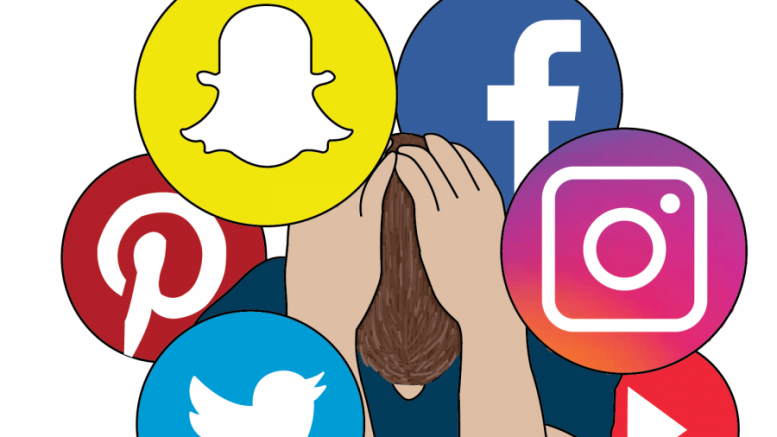
While social media can provide many benefits for mental health, it can also have negative impacts. One of the most significant drawbacks of social media is that it can contribute to feelings of anxiety and depression. Social media can promote unrealistic expectations of perfection and constant comparison to others, which can lead to feelings of inadequacy and a negative self-image. This can be especially true for people who follow social media influencers or celebrities who promote unrealistic beauty standards or lifestyles.
Social media can also be a breeding ground for cyberbullying, which can have severe impacts on mental health. Being exposed to hurtful comments or messages can lead to feelings of shame, anxiety, and depression. Cyberbullying can be especially challenging to deal with because it can occur at any time and in any place, and it can be challenging to escape from.
Finally, social media addiction can lead to poor mental health outcomes, such as increased anxiety and depression, poor sleep quality, and reduced self-esteem. Social media addiction can also lead to decreased social interaction in the real world, which can further exacerbate feelings of loneliness and isolation. While social media can be an excellent tool for connecting with others, it is essential to practice healthy social media habits, such as limiting time spent on social media, engaging in other activities, and being mindful of the impact social media has on mental health.
Conclusion
Social media can provide many benefits for mental health, including increased social connection, access to information and resources, and improved self-expression. However, it can also have negative impacts, such as increased anxiety and depression, cyberbullying, and addiction. To ensure that social media use is a positive influence on mental health, it is essential to practice healthy social media habits, such as limiting time spent on social media, engaging in other activities, and being mindful of the impact social media has on mental health.

You must be logged in to post a comment.