

Solar panels turn sunlight into electricity that powers your home, cuts energy bills, and reduces carbon emissions. For Australian homeowners considering a switch, Tindo Solar offers locally made, reliable panels designed for our climate. This guide explains how solar panels work, the benefits of rooftop solar, basic costs, and what to check before installation.
How solar panels work
Solar panels are made of photovoltaic (PV) cells that convert sunlight into direct current (DC) electricity. An inverter then converts DC to alternating current (AC), which your home appliances use. On sunny days panels produce the most power; on cloudy days output falls but panels still generate electricity. Pairing panels with a solar battery stores excess energy for use at night or during outages.
Benefits of installing solar panels
-
Lower electricity bills: Solar power reduces the amount you buy from your retailer. Over time, savings often outweigh the initial investment.
-
Energy independence: Generate your own power and rely less on grid electricity, especially during peak price periods.
-
Environmental impact: Solar panels cut greenhouse gas emissions by replacing fossil-fuel-generated electricity.
-
Increased home value: Homes with quality solar systems often sell faster and at higher prices in many Australian suburbs.
-
Local manufacturing with Tindo Solar: Choosing Australian-made panels like Tindo Solar supports local industry and ensures panels built for our conditions.
Costs and payback basics
Upfront costs depend on system size, panel quality, inverter type, and installation complexity. For many Australian homes, a 6.6 kW system is common. Rough cost components:
-
Panels and inverter: largest portion of the system cost.
-
Installation: roof type, mounting, and electrical work affect price.
-
Batteries (optional): add significant cost but provide backup and higher self-consumption.
Payback periods vary by electricity prices, available incentives, and household consumption. With rising grid prices and effective feed-in tariffs, many homeowners see payback in 3–8 years. Tindo Solar’s efficient panels can improve returns by producing more energy per roof area.
Choosing the right system
-
Size: Match generation to your household’s daytime usage. Larger systems generate more, but may export excess power if you’re often away during the day.
-
Panel quality: Look for proven performance, warranty length (typically 10–25 years), and temperature coefficients that suit Australian heat.
-
Inverter type: String inverters are common and affordable; microinverters and optimisers handle shading better.
-
Installer credentials: Use Clean Energy Council (CEC) approved installers to ensure safety, warranty compliance, and eligibility for incentives.
-
Battery compatibility: If you plan to add storage later, confirm the inverter and system are battery-ready.
Why consider Australian-made Tindo Solar
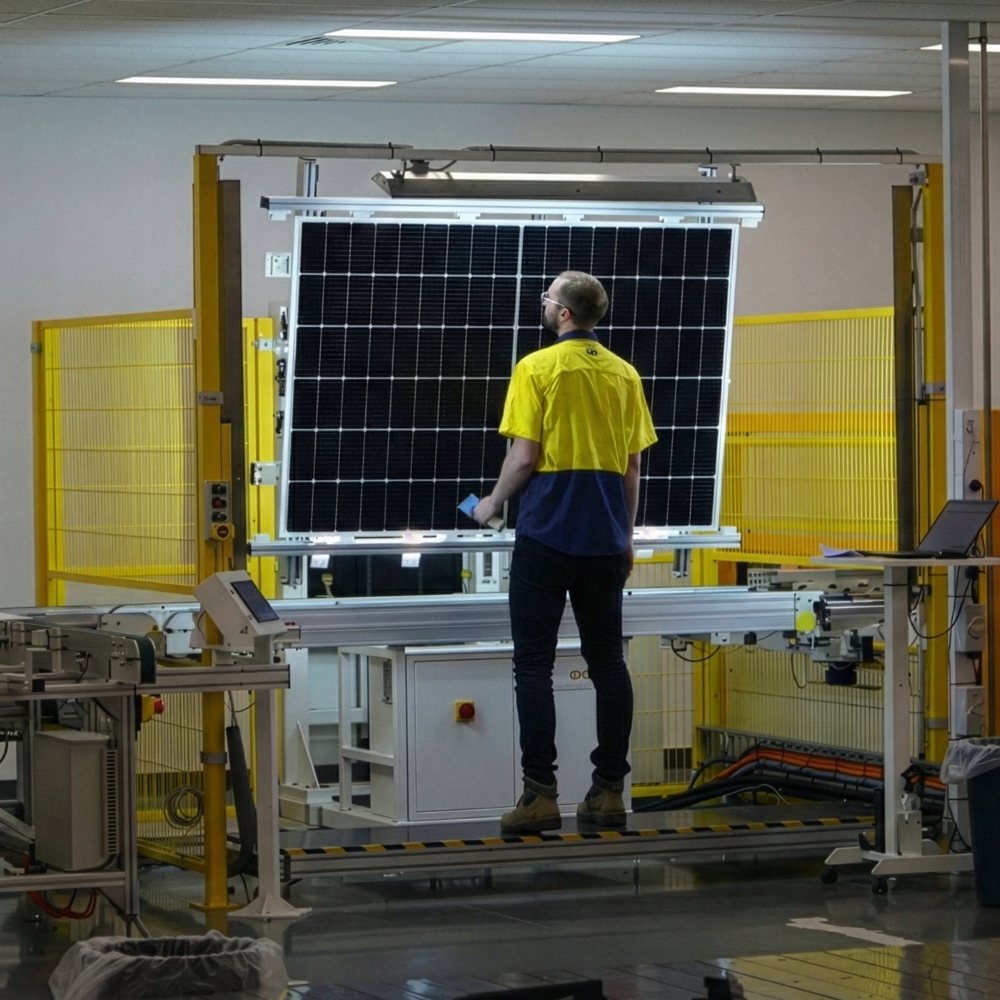
Tindo Solar manufactures PV modules in Adelaide, producing panels tailored to local conditions. Benefits of choosing Tindo Solar:
-
Local support and warranties that are easier to claim.
-
Shorter supply chains reduce delays and shipping impacts.
-
Modules optimized for Australian temperatures and UV exposure.
-
Promotes local jobs and renewable industry growth.
Installation steps (what to expect)
-
Site assessment: Installer inspects roof orientation, shading, and electrical setup.
-
System design: Sizing and placement to match energy needs and roof constraints.
-
Quote and approvals: Installer provides a detailed quote and handles grid-connection paperwork.
-
Installation day: Roof mounting, panel installation, inverter setup, and electrical connection — usually 1–2 days.
-
Commissioning: System tested, monitored, and connected to the grid. Installer explains operation and monitoring tools.
Maximising returns from solar panels
-
Shift high-usage tasks to daylight hours (washing, pool pumps, EV charging).
-
Use monitoring apps to track generation and consumption.
-
Consider a battery if you want backup power and to reduce grid reliance in evenings.
-
Regular cleaning and periodic checks keep panels operating efficiently.
Final tips
Get multiple quotes and compare system performance, warranties, and installer reviews. Ask for a detailed estimate of expected annual generation and payback time. If you prioritise local manufacture and service, Tindo Solar is a strong option worth including in your shortlist.

You must be logged in to post a comment.